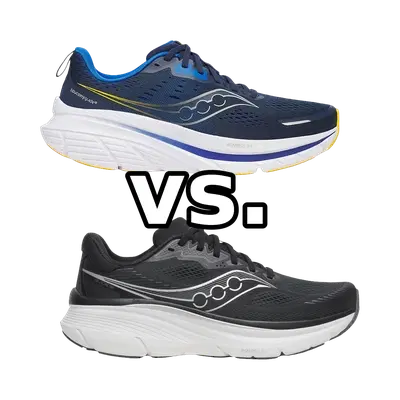
Saucony Guide 18 vs Asics GT-2000 13:
Which to Choose
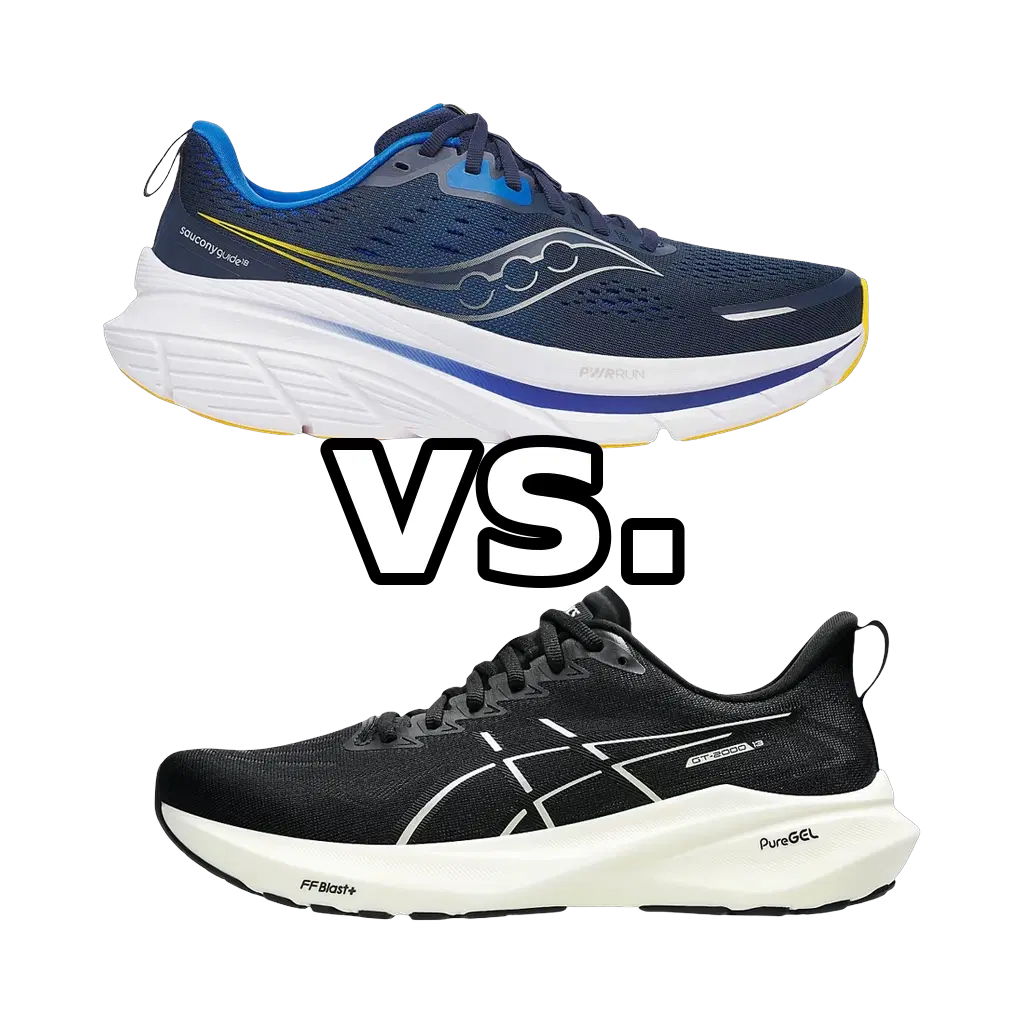
Verdict
These are genuinely close cousins — same weight class, same cushioning level, same mission — so this isn't a case of one being better, but of two different feels. It comes down to ride and guidance: pick the Guide 18 for a firmer, lower-drop, naturally-guided platform that stays out of your way, and the GT-2000 13 for a softer, higher-drop ride with more traditional, felt medial support. Try both if you can; whichever foot feel you prefer on a 20-minute test jog is the right answer, because on specs there's barely a hair between them.
Pace
3 of 6
Cushioning
4 of 6
Responsiveness
3 of 6
Stability
5 of 6
Drop
6 mm
Support
Stability
Plate
None
Distances
10KHalfMarathon
Pace
3 of 6
Cushioning
4 of 6
Responsiveness
3 of 6
Stability
5 of 6
Drop
8 mm
Support
Stability
Plate
None
Distances
10KHalfMarathon
At a Glance
Saucony Guide 18Asics GT-2000 13
Who Should Choose Each Shoe
Choose
Saucony Guide 18
Choose the Guide 18 if you want support that feels natural rather than corrective — a firmer, planted, predictable ride that guides without a noticeable medial post, ideal if you're a neutral-to-mild overpronator or someone who dislikes the propped-up feel of a traditional stability shoe. Its lower 6mm drop and more forefoot-loaded platform suit midfoot strikers and runners who want a level, controlled roll-through for steady half and full marathon training. If "stable but not soft, structured but not intrusive" is what you're after, this is the pick.
Choose
Asics GT-2000 13
Choose the GT-2000 13 if you want a softer, more cushioned landing and don't mind — or actively want — a more overt, traditional stability feel from its LITETRUSS medial support. The taller 8mm-drop heel favors committed heel strikers, and the plush, settled FF Blast+ Eco foam genuinely holds you together on long, slow base-building miles when form gets sloppy late. It's the better match for beginner-to-intermediate runners who value forgiving comfort and reassuring, structured guidance over a firm, planted ride.
Head-to-Head
Start with how similar they are, because that's the honest headline: both weigh essentially the same (the Guide 18 at about 9.6 oz, the GT-2000 13 at about 9.7 oz), both carry above-average cushioning without going full max-stack, both skip a plate, and both top out as steady trainers rather than tempo weapons that go flat if you try to sprint. The real differences are two. First, geometry and drop: the Guide 18 runs a 6mm drop on a 35mm/29mm (heel/forefoot) stack, while the GT-2000 13 sits at 8mm on a 36.5mm/28.5mm stack — so the Asics has a slightly taller heel and a more pronounced ramp forward, which suits committed heel strikers, while the Guide's lower, more forefoot-loaded platform feels a touch more level underfoot. Second, and more decisive, is the character of the foam and the way stability is delivered. The Guide's PWRRUN is a controlled, EVA-based foam that lands planted and firm with a smooth, predictable roll-through, and its CenterPath geometry guides the foot through a naturally centered platform with no traditional medial post — the support is baked into the shape rather than felt as a firm wedge. The GT-2000's FF Blast+ Eco is the softer, more settled of the two, cushioning impact in a calm, muted way, and it leans on a LITETRUSS medial system for a more overtly structured, old-school support feel. In practice the Guide reads as firmer and more "guided-neutral," the GT-2000 as softer and more traditionally propped-up. Their effective pace windows reflect this too — the Asics quotes a marginally quicker everyday zone (around 5:00–6:00 min/km versus the Guide's 5:30–6:30) — but neither is a shoe you buy for speed.
Similar Comparisons
Asics GT-1000 14 vs Asics GT-2000 13
Saucony Guide 18 vs New Balance Fresh Foam X Vongo v6
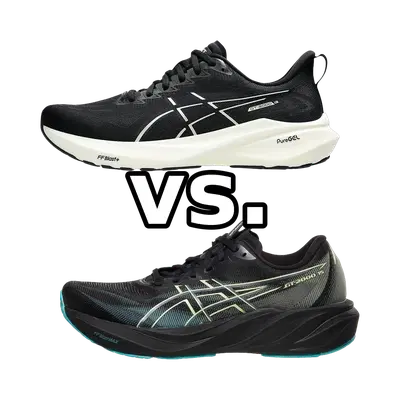
Asics GT-2000 13 vs Asics GT-2000 15
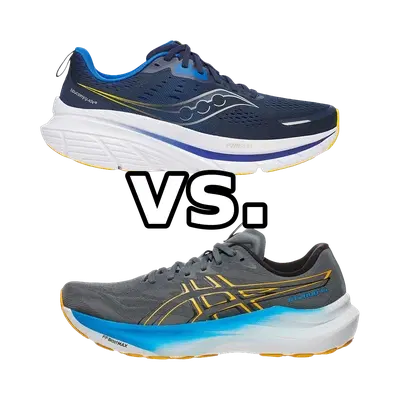
Saucony Guide 18 vs Asics GT-2000 14
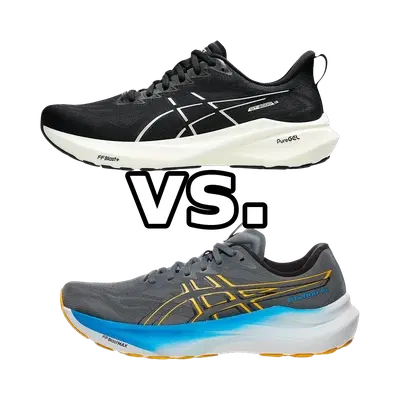
Asics GT-2000 13 vs Asics GT-2000 14
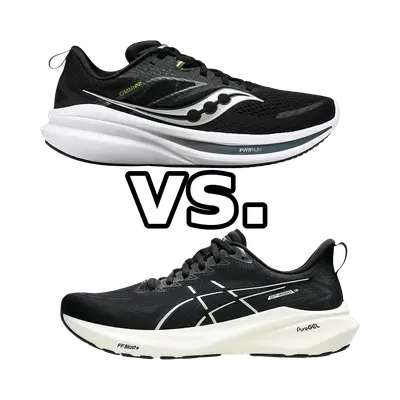
Saucony Omni 22 vs Asics GT-2000 13
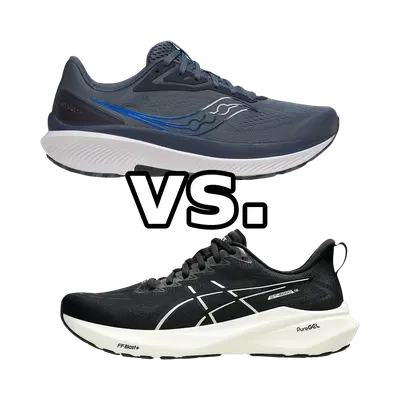
Saucony Echelon 10 vs Asics GT-2000 13
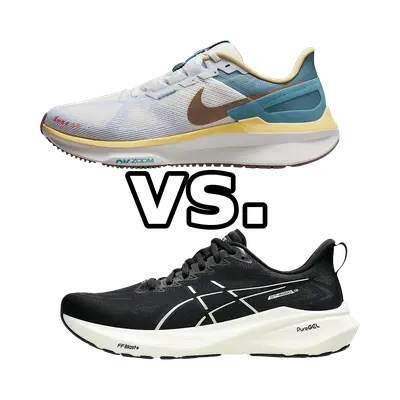
Nike Structure 25 vs Asics GT-2000 13
© 2026 longrunshoes.ai | All rights reserved.
Use of materials from this site is permitted only with proper attribution and a link to longrunshoes.ai.