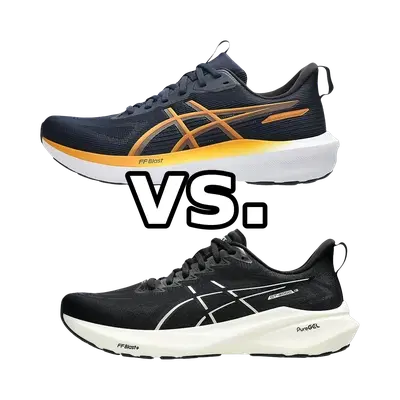
Asics GT-2000 13 vs Asics GT-2000 15:
Which to Choose
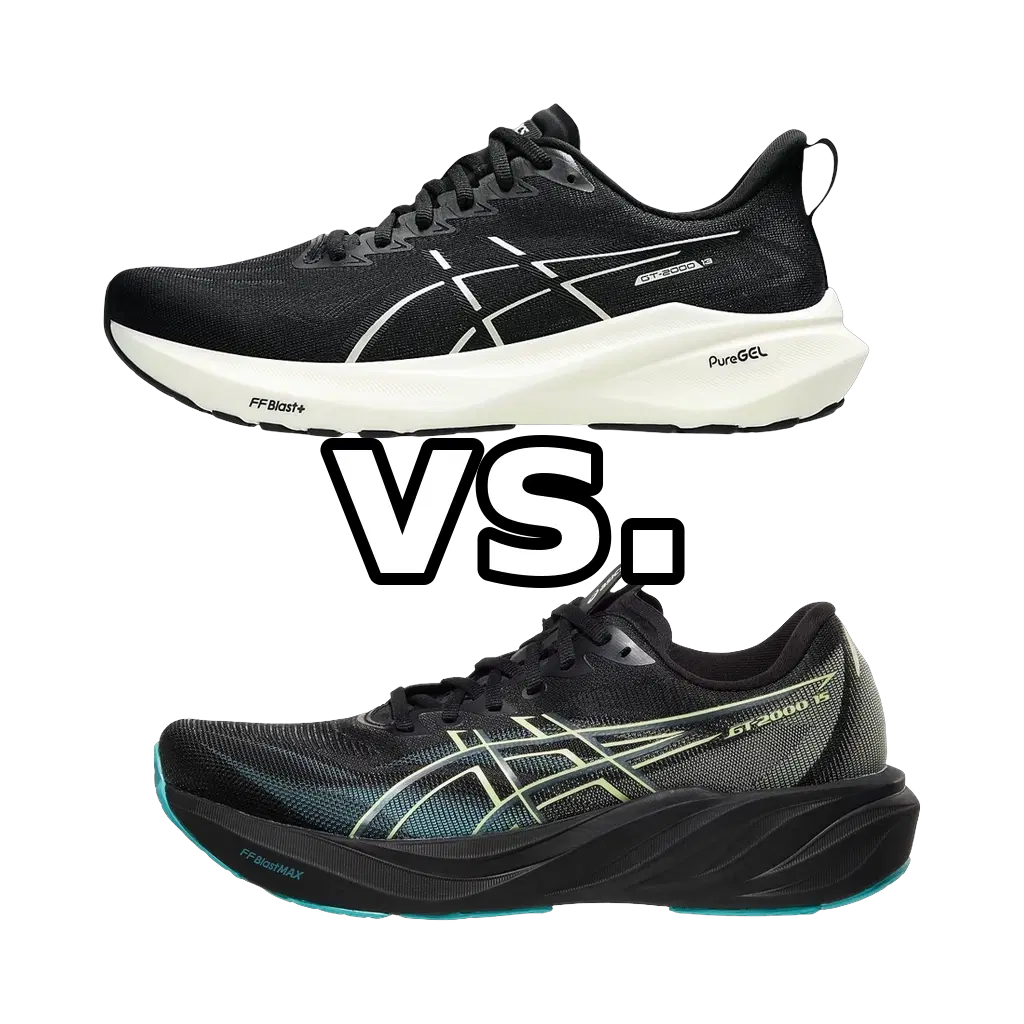
Verdict
For most runners choosing between them today, the GT-2000 15 is the stronger buy: it keeps everything that makes this line dependable — the 8mm drop, the wide stability platform, the pronation control — while shedding weight, adding stack, and delivering a firmer, more responsive ride. Go with the GT-2000 13 only if you specifically want a softer, more muted, more cushioned landing and don't care about the extra grams; if you'd rather have a lighter, livelier, more versatile version of the same stable trainer, the 15 wins.
Pace
3 of 6
Cushioning
4 of 6
Responsiveness
3 of 6
Stability
5 of 6
Drop
8 mm
Support
Stability
Plate
None
Distances
10KHalfMarathon
Pace
3 of 6
Cushioning
4 of 6
Responsiveness
4 of 6
Stability
5 of 6
Drop
8 mm
Support
Stability
Plate
None
Distances
10KHalfMarathon
At a Glance
Asics GT-2000 13Asics GT-2000 15
Who Should Choose Each Shoe
Choose
Asics GT-2000 13
Pick the GT-2000 13 if you prefer a soft, settled landing over a firm one and want a shoe that simply holds you steady through easy base-building and long, controlled miles without ever nudging you to go faster. It suits beginner-to-intermediate mild overpronators who value a cushioned, muted, planted feel and don't mind carrying a bit more weight to get it. If you've run and liked earlier Blast+ Eco-era GT-2000s and see no reason to change what works, this is the familiar, dependable choice.
Choose
Asics GT-2000 15
Choose the GT-2000 15 if you want the same trustworthy stability but in a lighter, firmer, more responsive package that stays composed when you occasionally lift the pace for a tempo stretch. Its FF BLAST MAX foam, taller stack, and breathable woven upper make it the better everyday workhorse for runners who log real volume and want a shoe that feels controlled and honest rather than soft and squishy. It's the natural pick for new-to-intermediate runners building mileage today, as well as experienced runners wanting a stable trainer for the bulk of the week.
Head-to-Head
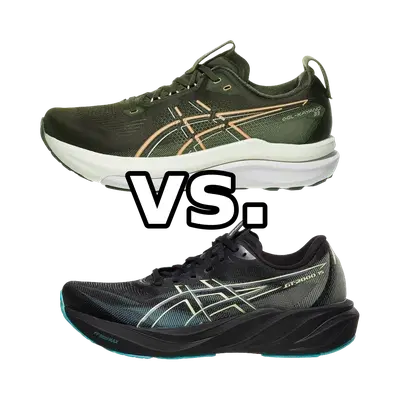
These two share a near-identical skeleton: both run an 8mm drop, both sit at the top end of the stability category with a wide, structured platform and no plate, both carry above-average (but not maximal) cushioning, and both target the same 10K-to-marathon range, with the half and half-to-marathon window as their sweet spots. Where they genuinely diverge is the midsole. The GT-2000 13 uses FF Blast+ Eco, a soft foam that cushions impact well but returns energy in a calm, muted way — the ride feels planted and settled but a touch flat when you push the pace. The GT-2000 15 switches to FF BLAST MAX, which is firmer and more controlled with better ground feel for a tall shoe, and it carries a little more pop; that shows up in the numbers, where the 15 rates a step higher for responsiveness and holds a slightly more useful tempo gear. The 15 is also noticeably lighter — around 252g in a men's US 9 versus roughly 270g for the 13 — and sits on a taller stack, so it feels both more nimble and more protective at once. Neither is springy or plate-driven; both are honest stability trainers rather than speed shoes, and their stability structure, pronation control, and drop are effectively the same. The choice comes down to ride character: soft and muted (13) versus firmer, lighter, and a bit more responsive (15).
© 2026 longrunshoes.ai | All rights reserved.
Use of materials from this site is permitted only with proper attribution and a link to longrunshoes.ai.