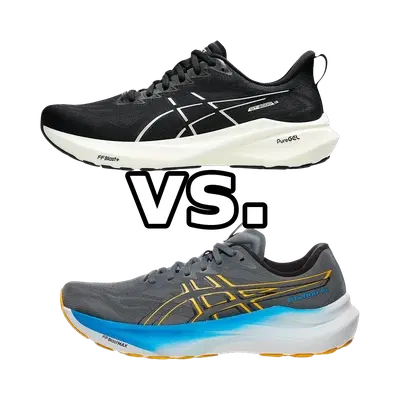
Asics GT-2000 14 vs Asics GT-2000 15:
Which to Choose
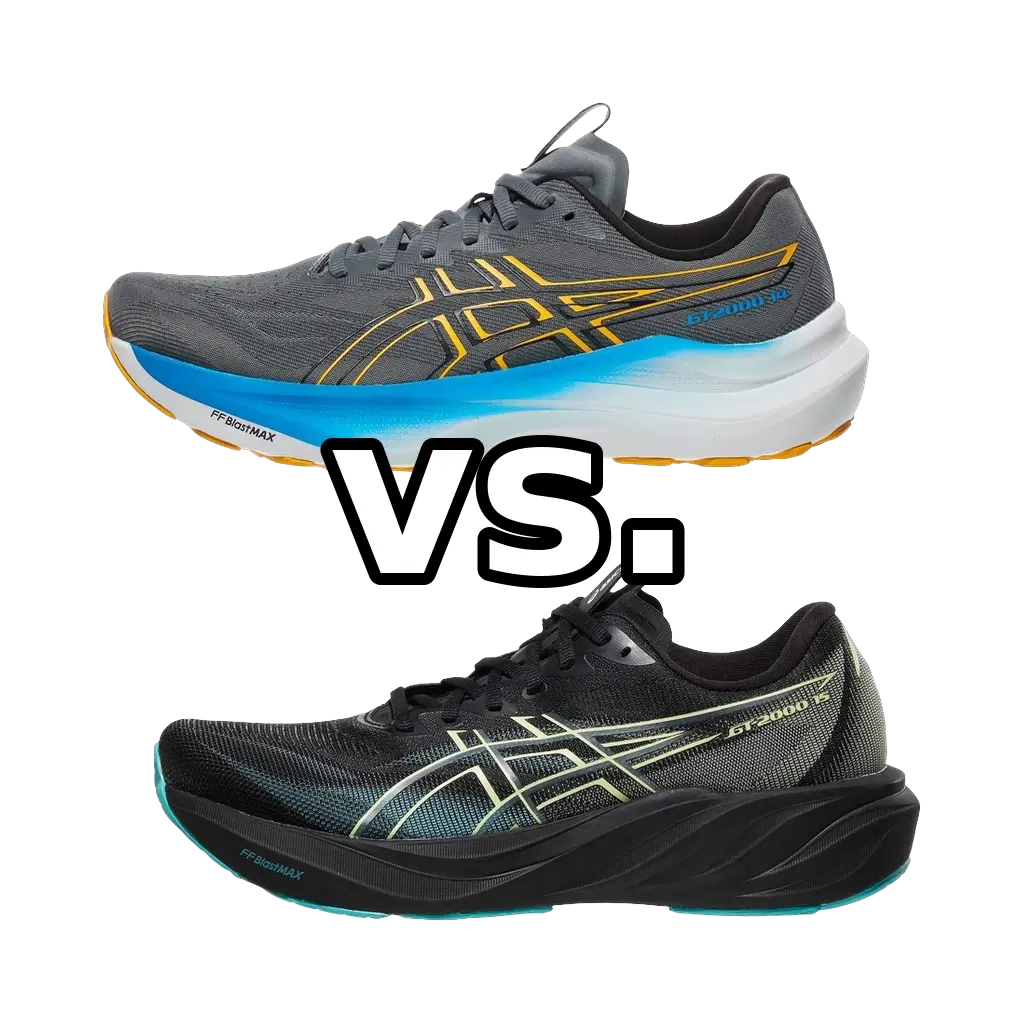
Verdict
The 15 is the better shoe and the natural upgrade — lighter, more cushioned, slightly livelier, and much more breathable, all without sacrificing the stability that defines the line. But it's an evolution, not a revolution: if your 14s still have life in them and you're happy with their grounded ride and fit, there's no pressing reason to replace them mid-cycle. Upgrade when your current pair wears out, or sooner if you specifically want the extra breathability, the lower weight, or a bit more foam underfoot for long miles.
Pace
3 of 6
Cushioning
4 of 6
Responsiveness
3 of 6
Stability
5 of 6
Drop
8 mm
Support
Stability
Plate
None
Distances
10KHalfMarathon
Pace
3 of 6
Cushioning
4 of 6
Responsiveness
4 of 6
Stability
5 of 6
Drop
8 mm
Support
Stability
Plate
None
Distances
10KHalfMarathon
At a Glance
Asics GT-2000 14Asics GT-2000 15
Who Should Choose Each Shoe
Choose
Asics GT-2000 14
Reach for the GT-2000 14 if you already own a pair, get along with it, and want the most grounded, low-to-the-road feel of the two — its slightly lower stack gives a touch more ground contact at easy and moderate efforts. It remains a fully capable stability trainer for steady 10K, half, and marathon training in the 5:30–6:45 min/km range, so there's no urgency to move on if it's working for you and the narrower toebox suits your foot.
Choose
Asics GT-2000 15
Choose the GT-2000 15 if you're upgrading from the 14 and want tangible gains: it's lighter, carries more cushioning for long-run protection, feels marginally more responsive for tempo touches, and breathes far better thanks to the woven upper — a direct fix for the 14's warm, dense feel. It's the better pick for runners building higher weekly volume, anyone who runs in the heat, or those who occasionally want to lift the pace a notch while keeping that same wide, supportive, stability-category platform.
Head-to-Head
On paper these two are close cousins: identical 8mm drop, matching stability-category structure, and the same plateless, foam-driven approach that prioritizes control over spring. The differences are incremental but real. The 15 is lighter — 258g in a men's US 9 versus 269g for the 14 — and it stacks more foam underfoot, at 40mm heel / 32mm forefoot against the 14's 37mm / 28mm, so you get more protection for long miles without changing the drop. Asics also reformulated the FF Blast Max in the 15, and that shows up in the ride: the 14 is honestly grounded with medium, comfortable rebound (responsiveness 3/6), while the 15 feels a touch livelier and holds a tempo stretch a little better (responsiveness 4/6), with its usable fast zone extending to roughly 5:00 min/km versus the 14's ceiling nearer 5:15. Neither is springy or bouncy — both stay firm, composed, and stability-first, and the pace, cushioning score, and stability rating are unchanged. The other meaningful upgrade is the upper: the 14's dense engineered mesh runs narrow and can feel warm on hot runs, whereas the 15 swaps in a woven mesh that breathes noticeably better and locks the foot down more comfortably. In short, the 15 is a lighter, taller, slightly more energetic, and better-ventilated version of the same shoe, not a reinvention.

© 2026 longrunshoes.ai | All rights reserved.
Use of materials from this site is permitted only with proper attribution and a link to longrunshoes.ai.