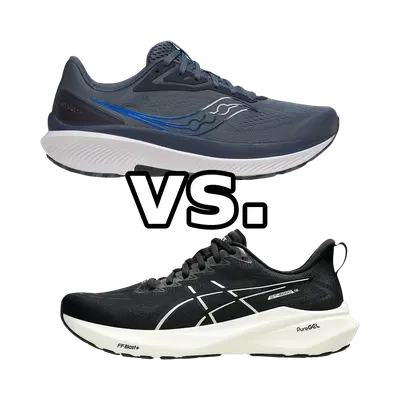
Saucony Echelon 10 vs Asics GT-2000 14:
Which to Choose
Verdict
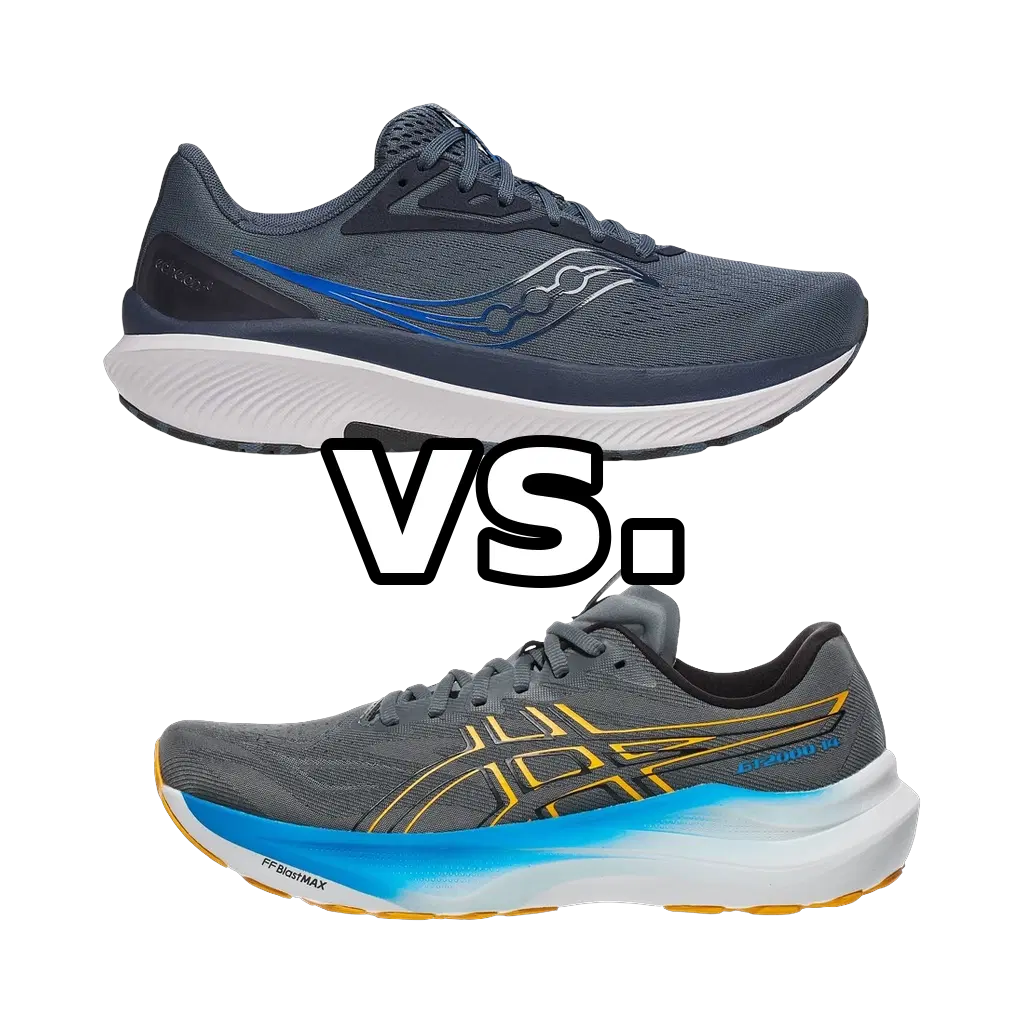
These are close cousins, so let fit and support need decide it. Go GT-2000 14 if you want true pronation control, a lighter and marginally livelier ride, and marathon-capable range in an average-to-narrow fit; go Echelon 10 if you need a roomy, orthotic-friendly platform and value accommodating comfort over weight, keeping your mileage mostly at the half and below. If your feet are wide or you run in orthotics, the Echelon wins almost by default; for everyone else, the lighter, more distance-flexible GT-2000 is the stronger all-rounder.
Pace
3 of 6
Cushioning
4 of 6
Responsiveness
3 of 6
Stability
5 of 6
Drop
8 mm
Support
Stable Neutral
Plate
None
Distances
10KHalf
Pace
3 of 6
Cushioning
4 of 6
Responsiveness
3 of 6
Stability
5 of 6
Drop
8 mm
Support
Stability
Plate
None
Distances
10KHalfMarathon
At a Glance
Saucony Echelon 10Asics GT-2000 14
Who Should Choose Each Shoe
Choose
Saucony Echelon 10
Choose the Echelon 10 if your priority is room and accommodation: wide feet, a bunion, or custom orthotics all fit far better in its generous, straight-lasted upper and wide/extra-wide sizing. It's the better call for beginners building consistency and for experienced runners who just want a calm, secure platform for easy and steady mileage up to the half, and who value a roomy comfort-first fit over outright support control or low weight.
Choose
Asics GT-2000 14
Choose the GT-2000 14 if you're a mild overpronator who wants genuine stability support rather than just a wide neutral base, or if you want one shoe that stays comfortable from 10K all the way through the marathon. Its lighter weight and slightly softer FF Blast Max foam make it the nimbler, more versatile daily trainer of the two — provided you have a lower-volume, average-to-narrow foot, since the snug toebox and warmer upper won't suit wide feet or hot-weather runs.
Head-to-Head
On paper these two look like twins — identical 8mm drops, matching 4/6 cushioning, 3/6 responsiveness and 5/6 stability scores, no plate in either — but the ride and intended fit pull them apart. The clearest spec gap is weight: in a men's US 9 the GT-2000 14 comes in around 269g while the Echelon 10 is roughly 308g, a real ~39g difference you feel the moment you try to lift the pace, and it helps explain why the Asics stays comfortable out to the marathon while the Saucony is happiest at 10K and half distance. Stack heights are close, with the GT-2000 sitting slightly taller at about 37mm heel / 28mm forefoot versus the Echelon's roughly 35mm / 27mm, so neither is a max-stack shoe and both keep a grounded, planted feel. Foam character differs in kind: the GT-2000's FF Blast Max reads as composed and a touch softer with a smooth, unhurried transition, while the Echelon's PWRRUN is honest but plainer — cushioned and calm rather than lively. On support, the GT-2000 is a true stability shoe tuned for mild overpronators, whereas the Echelon is a stable-neutral build that leans on a wide, flat base rather than dedicated pronation control. Fit is the other decider and they go opposite directions: the Echelon runs generous and roomy with wide and extra-wide options, making it genuinely orthotic-friendly, while the GT-2000's toebox runs narrow and its dense upper breathes less on warm days.
Similar Comparisons
Asics GT-2000 13 vs Asics GT-2000 14
Saucony Echelon 10 vs New Balance Fresh Foam X Vongo v6
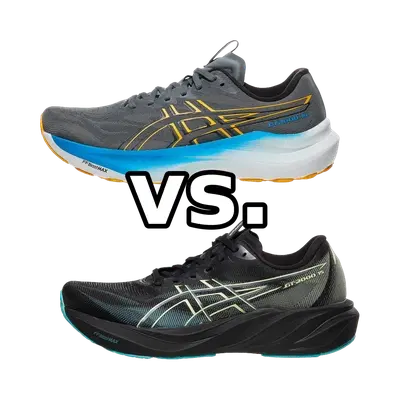
Asics GT-2000 14 vs Asics GT-2000 15
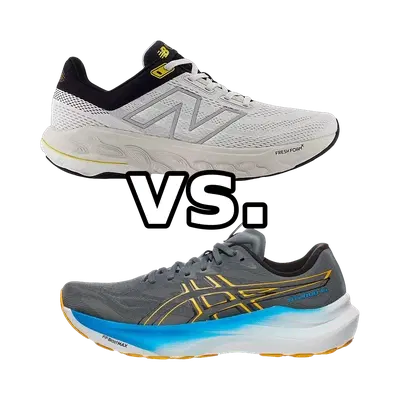
New Balance Fresh Foam X 860v14 vs Asics GT-2000 14
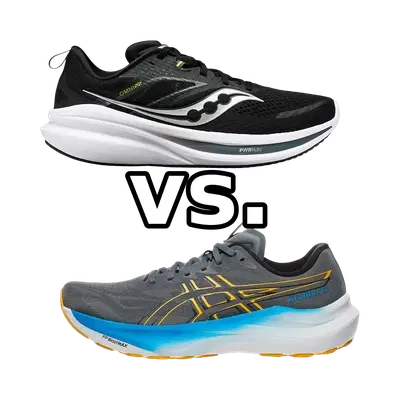
Saucony Omni 22 vs Asics GT-2000 14
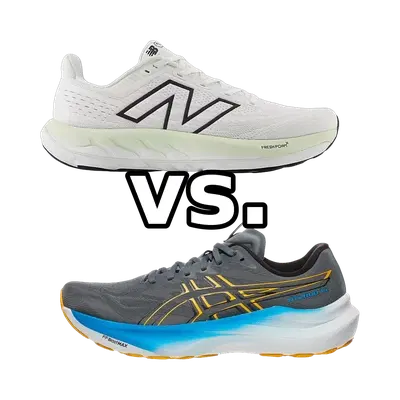
New Balance Fresh Foam X Vongo v6 vs Asics GT-2000 14
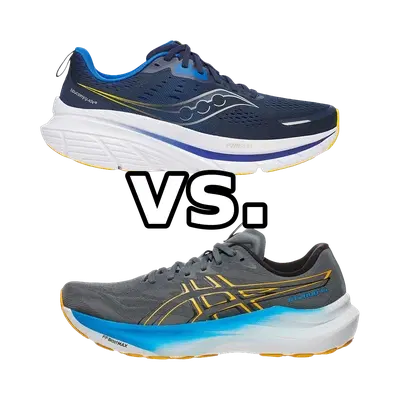
Saucony Guide 18 vs Asics GT-2000 14
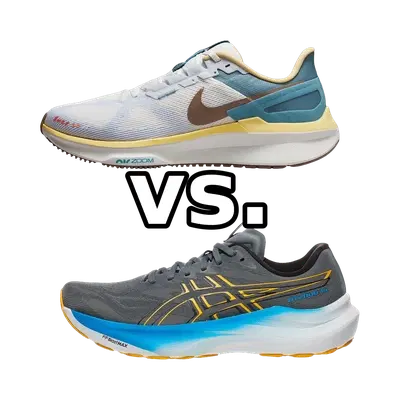
Nike Structure 25 vs Asics GT-2000 14
© 2026 longrunshoes.ai | All rights reserved.
Use of materials from this site is permitted only with proper attribution and a link to longrunshoes.ai.