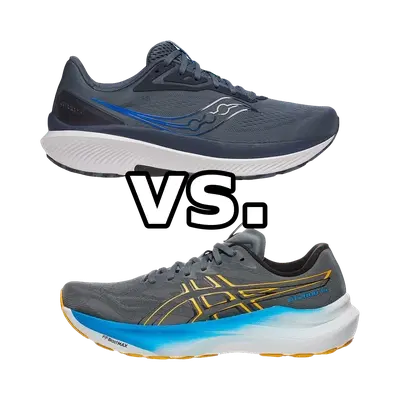
Saucony Echelon 10 vs Asics GT-2000 15:
Which to Choose
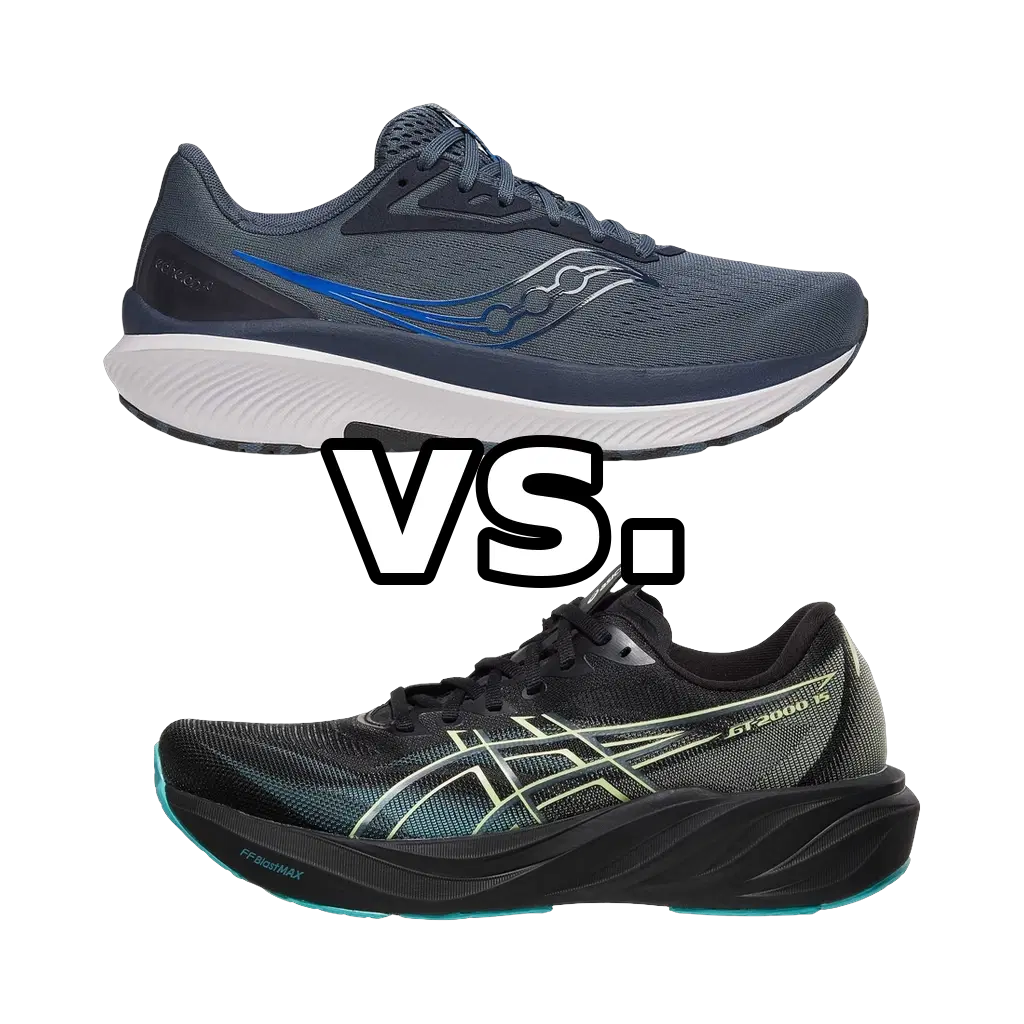
Verdict
For most runners choosing between them, the GT-2000 15 is the more versatile pick: it's lighter, a touch livelier, more cushioned underfoot, and it handles everything up to the marathon with genuine stability structure. The Echelon 10 wins in one specific but decisive scenario — if you need the width, volume, or orthotic room, or you simply want the most planted, accommodating fit for easy miles up to the half. Decide on your foot shape and your longest intended distance first; those two answers settle it more cleanly than any ride impression.
Pace
3 of 6
Cushioning
4 of 6
Responsiveness
3 of 6
Stability
5 of 6
Drop
8 mm
Support
Stable Neutral
Plate
None
Distances
10KHalf
Pace
3 of 6
Cushioning
4 of 6
Responsiveness
4 of 6
Stability
5 of 6
Drop
8 mm
Support
Stability
Plate
None
Distances
10KHalfMarathon
At a Glance
Saucony Echelon 10Asics GT-2000 15
Who Should Choose Each Shoe
Choose
Saucony Echelon 10
Choose the Echelon 10 if your fit needs come first — wide or high-volume feet, orthotics, or simply a roomy, accommodating platform you can plant into on easy days. It's the better pick for beginners building consistency and for experienced runners logging relaxed, conversational base miles up to the half, where its wide stable-neutral base and unhurried ride are assets rather than anchors. If you don't care about weight or snappy toe-off and just want secure, comfortable mileage, this is your shoe.
Choose
Asics GT-2000 15
Choose the GT-2000 15 if you mildly overpronate and want actual stability-category structure, or if you want one supportive trainer that can cover everything from easy runs to a marathon. It's the lighter, taller, slightly more responsive option, so it suits runners who log high volume but still want to drop into the occasional tempo stretch without feeling bogged down. Reach for it if you prefer a more standard, secure fit over a roomy one and value versatility across distances.
Head-to-Head
On paper these two look like twins — both 8mm drop, both firm and composed rather than squishy, both leaning on a single foam with no plate, so neither delivers explosive bounce. But the differences that matter show up quickly. The GT-2000 15 is both lighter and taller: roughly 258g in a men's US 9 on a 40mm heel / 32mm forefoot platform, versus the Echelon 10 at about 308g on a lower 35mm / 27mm stack. That's a meaningful ~50g gap — the Echelon genuinely feels heavier and more deliberate underfoot, which reinforces its calm, planted character but makes it drag when you try to lift the pace. The GT-2000's FF BLAST MAX foam is marginally livelier and more willing to pick up a tempo stretch than the Echelon's plainer, more cushioned-but-flat PWRRUN. Support style differs too: the Echelon is a broad, straight-lasted stable-neutral platform — passive security with no corrective guidance — while the GT-2000 is a true stability shoe with structure aimed at mild overpronators. Fit is the other dividing line: the Echelon is Saucony's wide-foot and orthotic specialist, with a roomy, high-volume build and genuine wide and extra-wide options, whereas the GT-2000's woven mesh upper is a more conventional, secure stability fit. Finally, range: both excel at 10K and the half, but the lighter, taller GT-2000 comfortably extends to marathon distance, while the heavier Echelon is happiest capped at the half.
Similar Comparisons
Asics GT-2000 13 vs Asics GT-2000 15
Saucony Echelon 10 vs Asics GT-2000 13
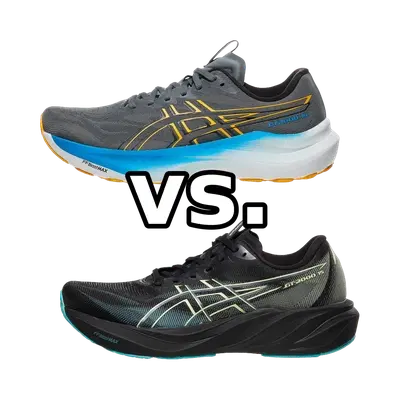
Asics GT-2000 14 vs Asics GT-2000 15
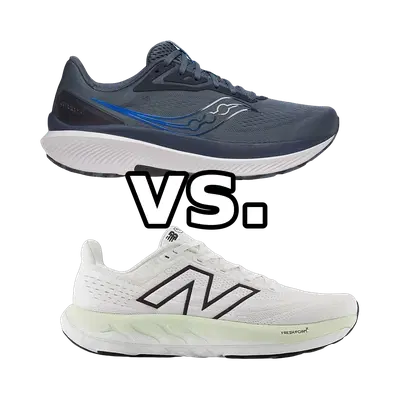
Saucony Echelon 10 vs New Balance Fresh Foam X Vongo v6
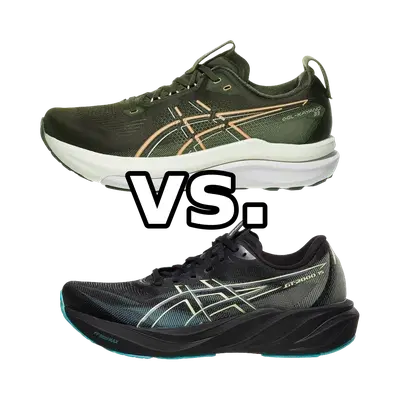
Asics Gel-Kayano 33 vs Asics GT-2000 15
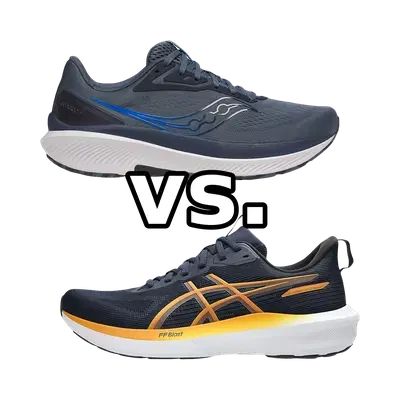
Saucony Echelon 10 vs Asics GT-1000 14
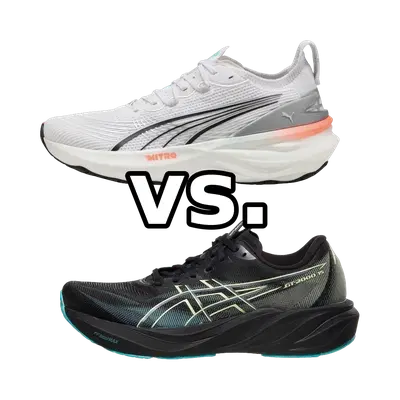
Puma ForeverRun Nitro 2 vs Asics GT-2000 15
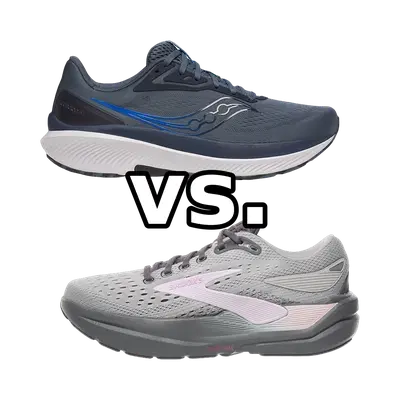
Saucony Echelon 10 vs Brooks Ghost Max 3
© 2026 longrunshoes.ai | All rights reserved.
Use of materials from this site is permitted only with proper attribution and a link to longrunshoes.ai.