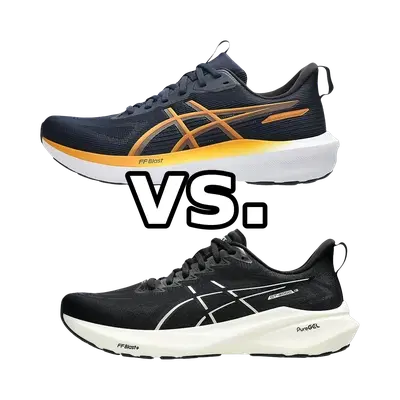
Asics GT-2000 13 vs Asics GT-2000 14:
Which to Choose
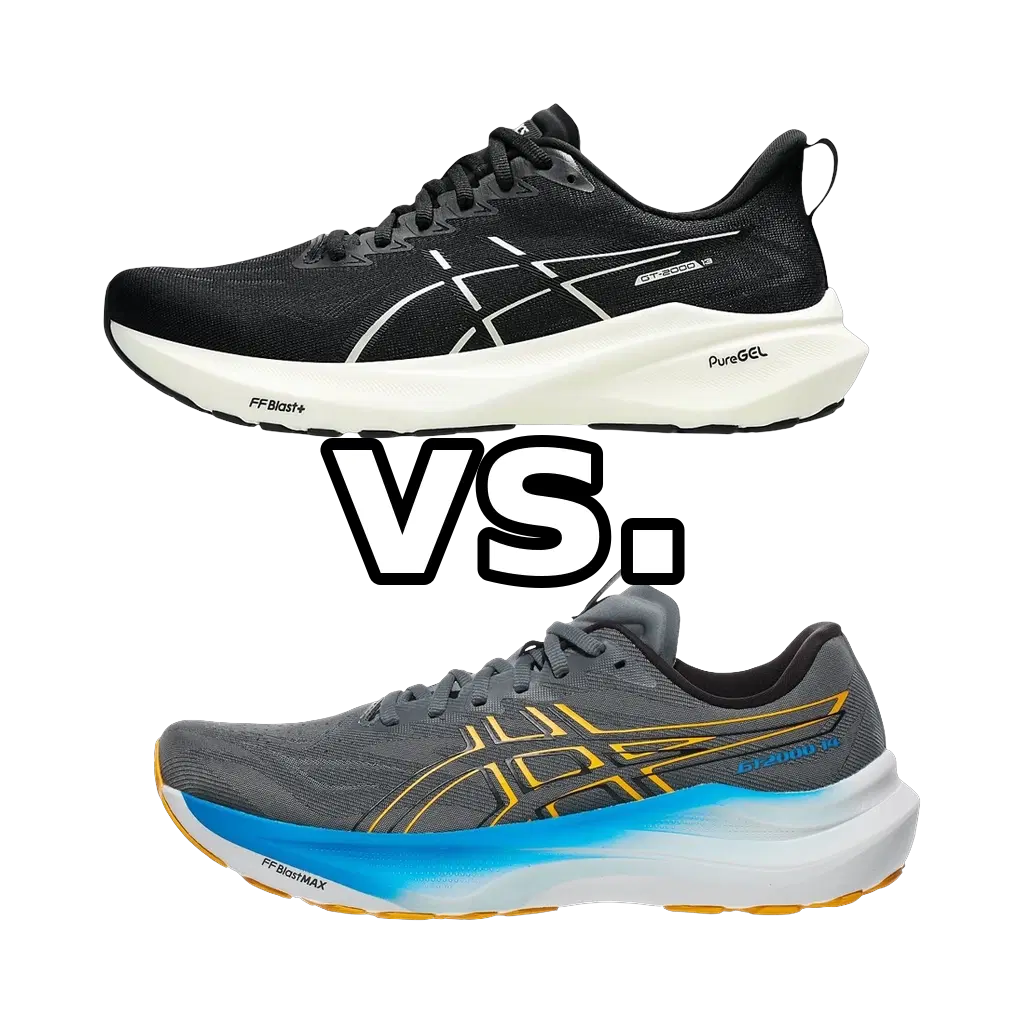
Verdict
This is a low-stakes upgrade rather than a reinvention: the weight, stack, drop, and stability are effectively identical, so it comes down to foam feel. If your GT-2000 13 is still going strong, keep running it — you're not missing much. When it's time to replace them, the 14 is the natural next step, offering a softer, springier, more forgiving version of the same shoe, with the only caveats being its narrow toebox and warm-running upper.
Pace
3 of 6
Cushioning
4 of 6
Responsiveness
3 of 6
Stability
5 of 6
Drop
8 mm
Support
Stability
Plate
None
Distances
10KHalfMarathon
Pace
3 of 6
Cushioning
4 of 6
Responsiveness
3 of 6
Stability
5 of 6
Drop
8 mm
Support
Stability
Plate
None
Distances
10KHalfMarathon
At a Glance
Asics GT-2000 13Asics GT-2000 14
Who Should Choose Each Shoe
Choose
Asics GT-2000 13
The GT-2000 13 still makes sense for runners who prefer a firmer, more grounded stability feel and don't want extra softness underfoot — some runners find a firmer foam gives better control late in a run. If you already own and like the 13, there's no urgent reason to replace a working shoe; the fundamentals you bought it for (8mm drop, high stability, guided platform, 10K-to-marathon range) are unchanged in the successor.
Choose
Asics GT-2000 14
Choose the GT-2000 14 if you want the same trustworthy stability trainer but with a more cushioned, forgiving, and slightly more energetic ride for logging steady daily and long miles. It's the better pick for a 13 owner ready for new shoes who liked the platform but wished the foam had a bit more give and pop, and for newcomers to the line who want the more comfortable current version — just size and try the fit carefully, since the toebox is on the narrow side.
Head-to-Head
Dimensionally these two are almost indistinguishable. The 13 sits at roughly 270g with a 36.5mm heel / 28.5mm forefoot stack, and the 14 lands at 269g with a 37mm heel / 28mm forefoot stack — a difference of about a gram and a millimeter, which no runner will feel as weight or geometry. Both keep the 8mm drop, both run without a plate, and both retain the wide, guided stability setup (LITETRUSS on the 13, a revised 3D Guidance System and an added medial forefoot pod on the 14) that holds your form steady when a long run gets sloppy. The genuine change is the foam: the 13 rides on FF Blast+ Eco, which cushions impact well but returns energy in a calm, muted, planted way that can feel a touch flat when you try to accelerate. The 14 swaps in FF Blast Max — a softer, more energetic supercritical foam from the same family Asics uses in its Novablast line — which lifts the forefoot slightly and softens the ride, making it more forgiving and marginally livelier underfoot, especially up front. Both stay honest and grounded rather than snappy when you push the pace, and neither is a tempo or race shoe; the 14 is simply the more cushioned, slightly more comfortable version of the same steady-mileage tool. Worth noting on the 14: the toebox runs narrow and the dense upper doesn't breathe especially well on warm runs.
© 2026 longrunshoes.ai | All rights reserved.
Use of materials from this site is permitted only with proper attribution and a link to longrunshoes.ai.