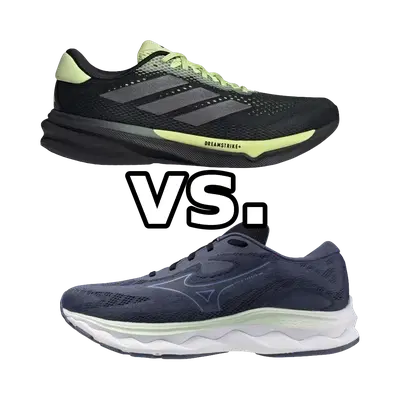
Mizuno Wave Serene vs Hoka Clifton 11:
Which to Choose
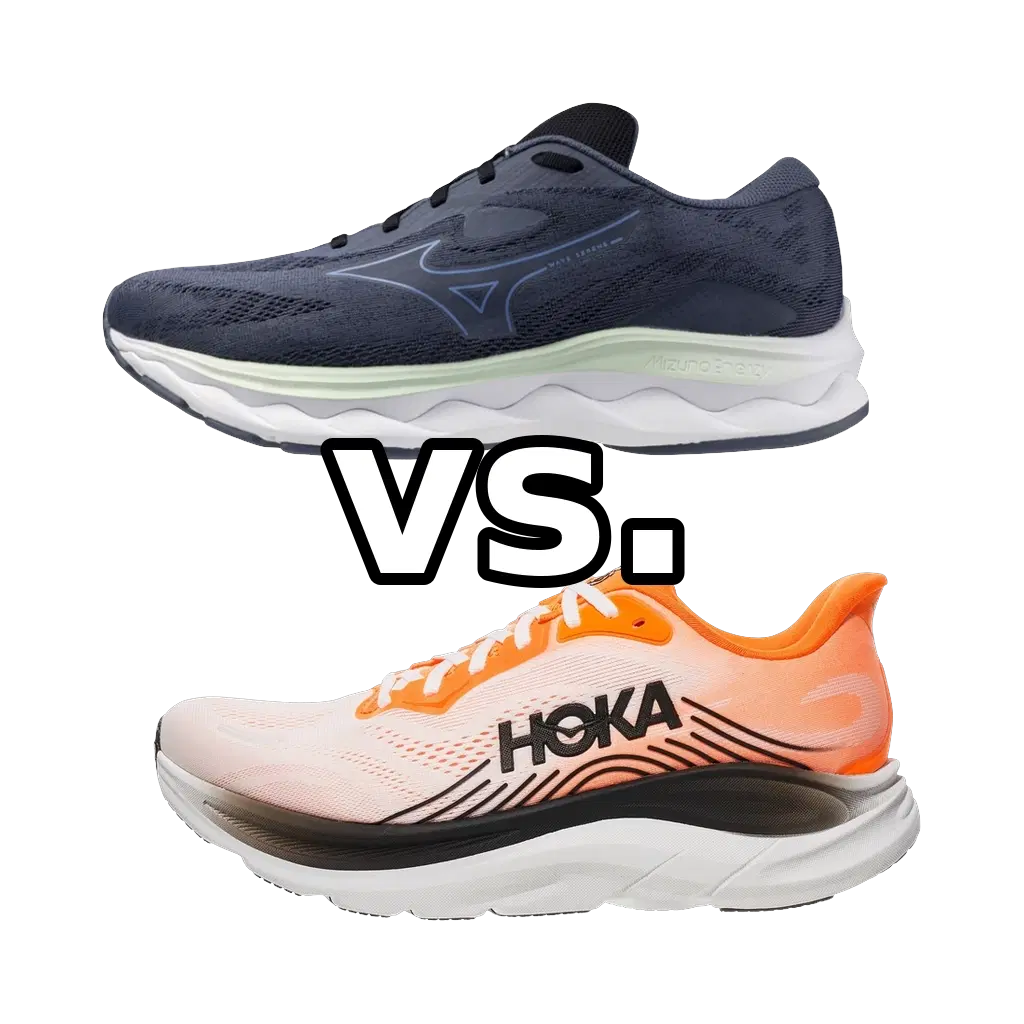
Verdict
It genuinely comes down to foam feel and weight, not use case — both cover the same 10K-to-marathon daily-training brief equally well. Go with the Wave Serene if you want the softer, plusher, slightly more guided ride; go with the Clifton 11 if you'd rather have a firmer, more controlled and noticeably lighter shoe. Neither is faster or more capable than the other; the right pick is simply whichever landing your legs prefer.
Pace
3 of 6
Cushioning
5 of 6
Responsiveness
3 of 6
Stability
4 of 6
Drop
9 mm
Support
Stable Neutral
Plate
None
Distances
10KHalfMarathon
Pace
3 of 6
Cushioning
5 of 6
Responsiveness
3 of 6
Stability
4 of 6
Drop
8 mm
Support
Neutral
Plate
None
Distances
10KHalfMarathon
At a Glance
Mizuno Wave SereneHoka Clifton 11
Who Should Choose Each Shoe
Choose
Mizuno Wave Serene
Pick the Wave Serene if you want the softer, more cushioned landing of the two and value a calm, cosseted ride on long easy days over saving grams. It's the better fit for neutral-to-mildly-guided runners — including newer runners and heavier-footed distance runners — who like a little extra built-in stability underfoot but don't need a dedicated pronation post. If your priority is plush comfort for time on feet, this is the one.
Choose
Hoka Clifton 11
Choose the Clifton 11 if you prefer a firmer, more controlled ride that protects without feeling soft or sinking, and if you want the lighter shoe for your daily mileage. It suits neutral runners logging steady aerobic miles who dislike the mushy feel of very soft foam and want predictable, planted transitions. At roughly 258g it's the more nimble everyday option, and reflective detailing on the upper is a bonus for low-light runs.
Head-to-Head
These two overlap almost completely on intent — daily cushioned cruising, with the half-to-marathon range as the sweet spot for each — but they get there with different personalities underfoot. The Serene's Enerzy EVA foam is the softer, plusher of the pair: it gives a cosseted, sink-in landing that smooths out long time on feet. The Clifton 11's CMEVA is deliberately firmer and more controlled, so you get comparable stack protection without the pillowy, mushy feel — it rewards a composed cruising rhythm rather than a soft cradle. Both use a rocker geometry for smooth heel-to-toe roll and neither has a plate, so rebound in each is honest and medium rather than snappy; push either past roughly 5:00–5:30 min/km and the foam starts to feel flat. Weight is the other tangible split: the Clifton 11 comes in around 258g in a men's US 9, while the Serene is heavier at roughly 295g, so the Hoka feels the more nimble of the two on foot despite matching stack. Drop is effectively a wash — the Serene sits at 9mm and the Clifton is marketed at 8mm (its lab-measured offset actually runs a touch higher). On support they're close too: the Clifton is a stable-riding neutral shoe leaning on its wide base, while the Serene adds a hair more built-in guidance from Mizuno's Wave structure, edging it toward the stable-neutral runner without ever becoming a posted stability shoe.
Similar Comparisons
Hoka Clifton 10 vs Hoka Clifton 11
Hoka Clifton 10 vs Mizuno Wave Serene
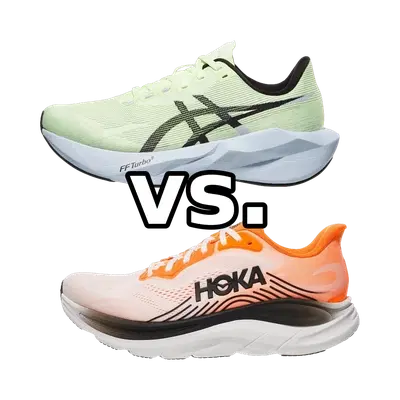
Asics Novablast 6 vs Hoka Clifton 11
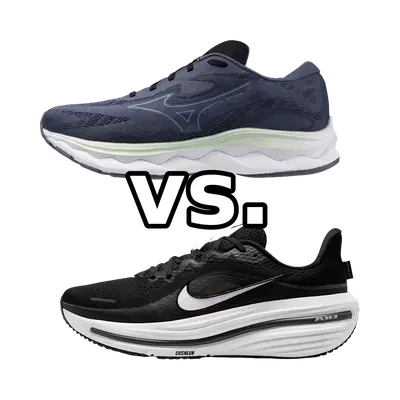
Mizuno Wave Serene vs Nike Winflo 12
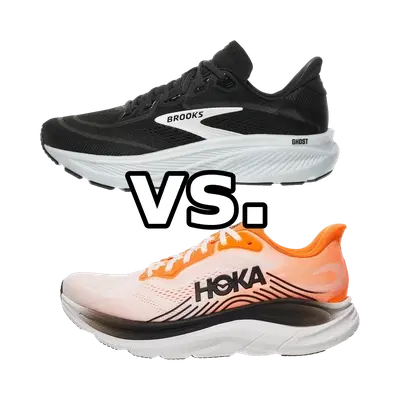
Brooks Ghost 18 vs Hoka Clifton 11
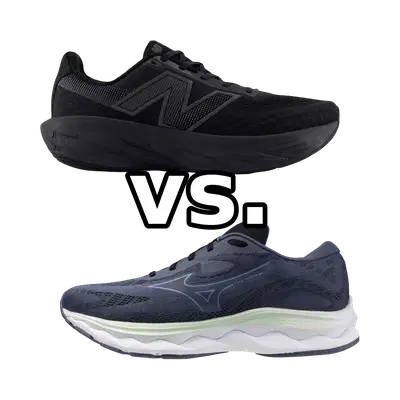
New Balance Fresh Foam X 1080v14 vs Mizuno Wave Serene
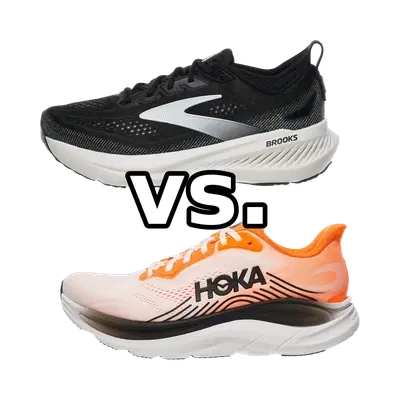
Brooks Glycerin 23 vs Hoka Clifton 11
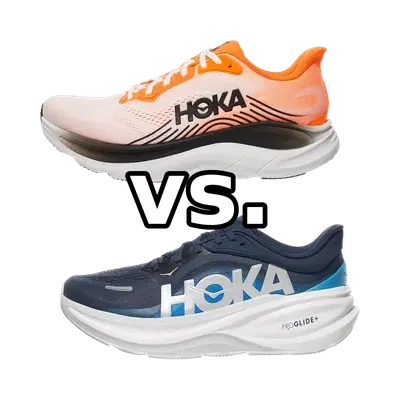
Hoka Clifton 11 vs Hoka Clifton Pro
© 2026 longrunshoes.ai | All rights reserved.
Use of materials from this site is permitted only with proper attribution and a link to longrunshoes.ai.