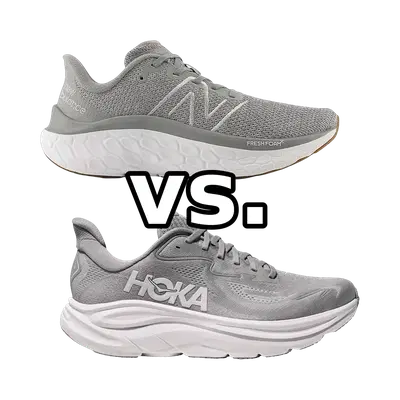
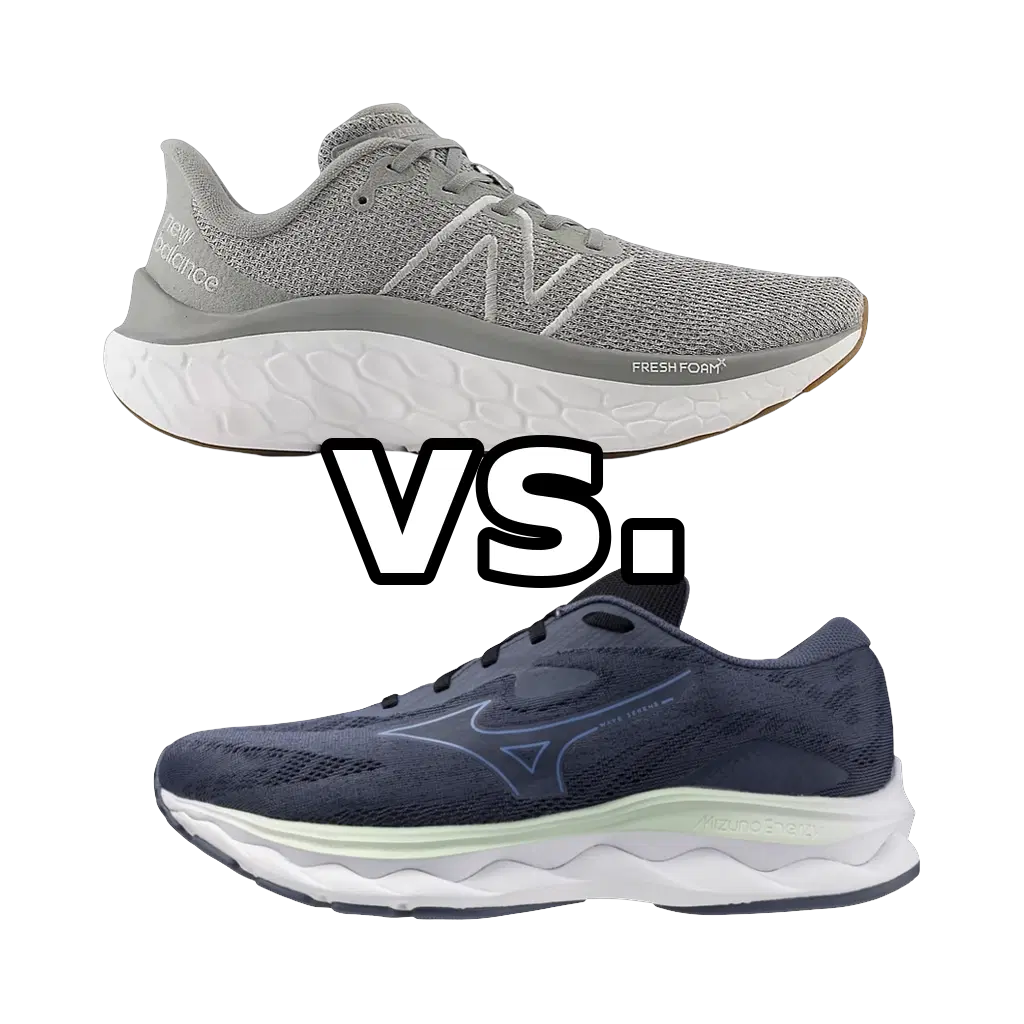
New Balance Fresh Foam X Kaiha Road vs Mizuno Wave Serene:
Which to Choose
Verdict
These are genuinely close shoes serving the same runner — plush, stable-neutral, no-plate cruisers for 10K to marathon — so the decision comes down to two things, not price. If you want (or already run) a low 4mm drop and a soft, planted ride, take the Kaiha Road; if you want a familiar 9mm drop and a rockered roll that does more of the transition work for you, take the Wave Serene. Everything else between them is close enough that fit and drop preference, not performance, should make the call — try both on and let your footstrike decide.
Pace
3 of 6
Cushioning
5 of 6
Responsiveness
3 of 6
Stability
4 of 6
Drop
4 mm
Support
Stable Neutral
Plate
None
Distances
10KHalfMarathon
Pace
3 of 6
Cushioning
5 of 6
Responsiveness
3 of 6
Stability
4 of 6
Drop
8 mm
Support
Stable Neutral
Plate
None
Distances
10KHalfMarathon
At a Glance
New Balance Fresh Foam X Kaiha RoadMizuno Wave Serene
Who Should Choose Each Shoe
Choose
New Balance Fresh Foam X Kaiha Road
Pick the Kaiha Road if you prefer — or want to move toward — a low-drop, flatter-feeling ride and like soft, forgiving cushioning that just disappears under easy miles. It's the better fit for the runner whose true focus is the half marathon and steady long training, who wants a planted, no-surprises platform and isn't bothered by a less-structured roll. Low-drop veterans and anyone with a happy forefoot/midfoot landing will feel most at home here.
Choose
Mizuno Wave Serene
Choose the Wave Serene if you want a conventional 9mm drop and a shoe that smooths the stride for you via its rockered geometry — ideal for beginners and for experienced runners who simply want a dependable, cosseting daily trainer for easy and long efforts. It's the easier shoe to adopt with no transition period, and its resilient Enerzy foam plus the rocker make it marginally more comfortable when you nudge the pace up on a steadier day. Runners coming off typical higher-drop trainers who don't want to relearn their footstrike should start here.
Head-to-Head
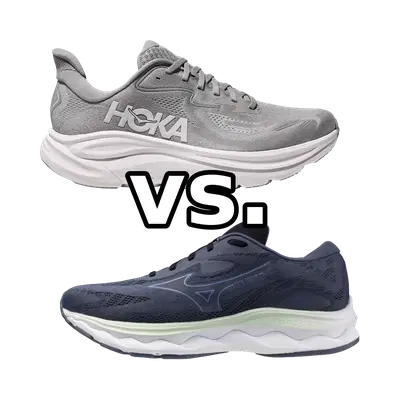
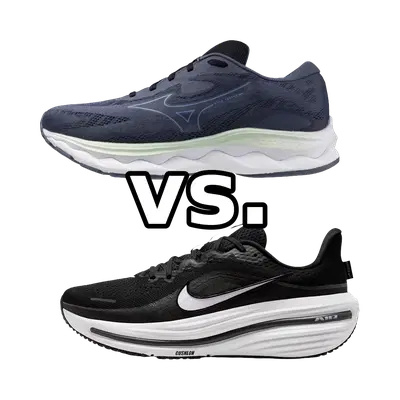
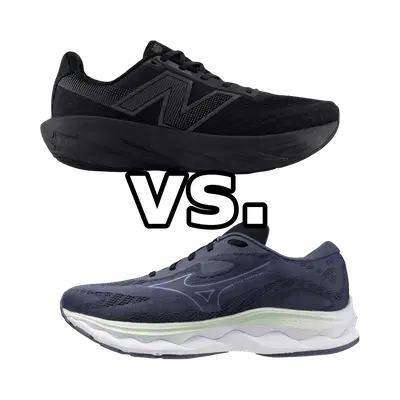
Start with the numbers that actually separate them. The Kaiha Road runs a low 4mm drop, while the Serene sits at a much more traditional 9mm — more than double. That single spec changes the feel underfoot more than anything else here: the Kaiha loads the forefoot more evenly and asks a little more of the calf and Achilles, favoring runners who already like a flatter, low-drop platform; the Serene's taller heel puts you in a familiar heel-biased posture that most daily trainers and most runners are used to, which makes it the easier shoe to step into without an adjustment period. Cushioning level is effectively matched — both rate high and both lean plush rather than firm — but the foams get there differently. The Kaiha uses New Balance's compression-molded Fresh Foam X, which is soft, forgiving, and impact-soaking in a slightly dead-soft way; the Serene's Enerzy is an EVA-based compound that's resilient and cushioned without collapsing. Neither is springy — both are explicitly medium-rebound, no-plate shoes — so you won't get real propulsion from either. The Serene's trump card is its rockered geometry: it deliberately rolls you heel-to-toe, which keeps transitions smooth and slightly livelier at moderate paces, whereas the Kaiha relies on its broad, well-mannered platform and foam alone, giving a more planted, predictable, but less-guided roll. Both ride on a wide, stable-neutral base with no medial post, so each offers light inherent guidance rather than true motion control. On weight and stack both are tall, cushioned builds in a similar class rather than lightweight racers, so neither wins on mass. Use case is nearly identical — 10K, half, and marathon plus everyday easy and long runs — but the emphasis differs slightly: the Kaiha's sweet spot is the half marathon and it holds a hair more top-end composure up to roughly 5:15/km, while the Serene is happiest on easy long runs and, with its rocker, is actually comfortable a touch faster, down toward 5:00/km, before its medium rebound goes flat.
© 2026 longrunshoes.ai | All rights reserved.
Use of materials from this site is permitted only with proper attribution and a link to longrunshoes.ai.