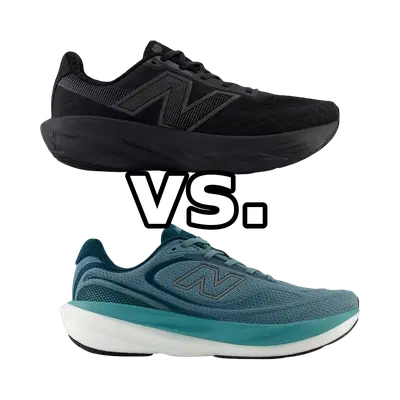
New Balance Fresh Foam X 1080v14 vs Mizuno Wave Serene:
Which to Choose
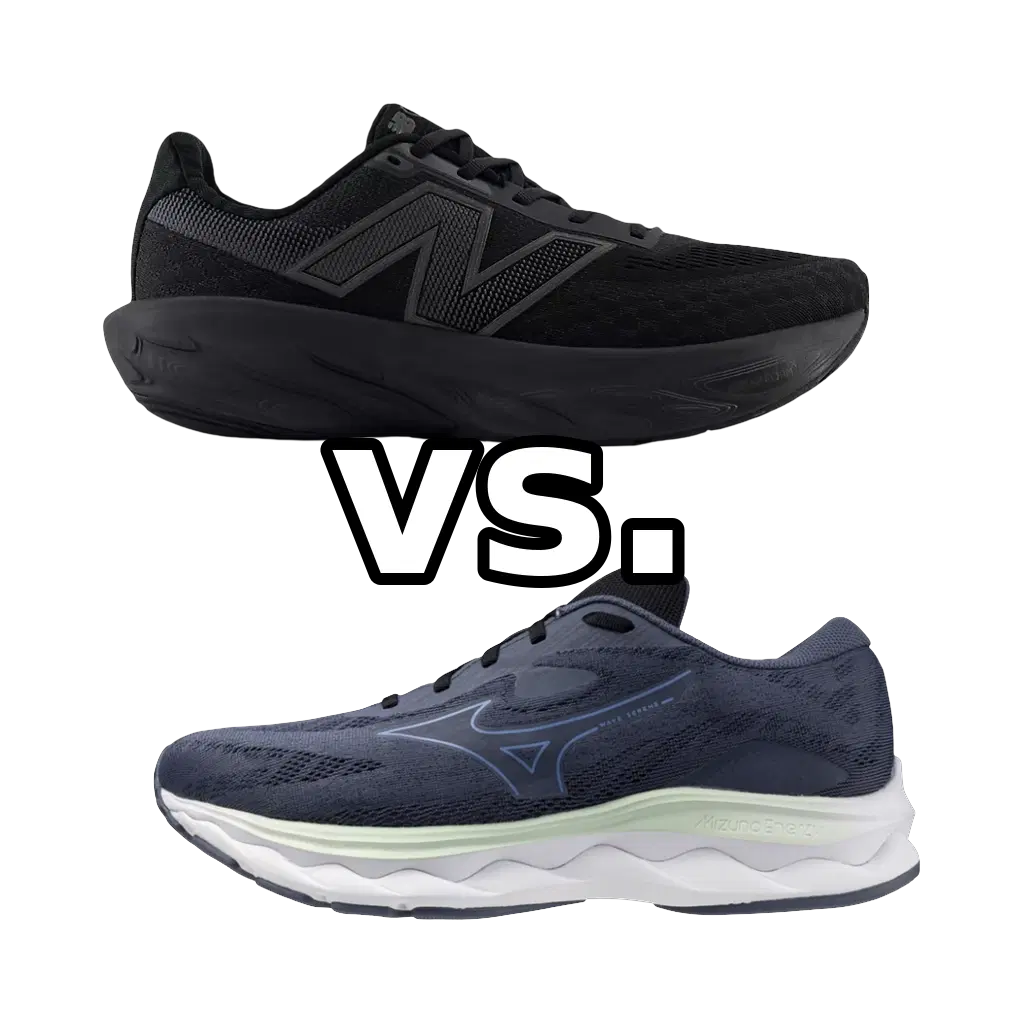
Verdict
It genuinely depends — but on specifics, not vibes. If you run mostly easy and long, strike on the heel, and like a higher drop with a rocker doing the work, the Wave Serene is the more natural fit. If you want a lower 6mm drop, a more neutral platform, and a cushioned trainer that still feels willing when you nudge the pace up, go with the Fresh Foam X 1080v14. Same mission, different ride personalities: pick by your drop preference and the pace you actually spend most of your miles at.
Pace
3 of 6
Cushioning
5 of 6
Responsiveness
3 of 6
Stability
4 of 6
Drop
6 mm
Support
Neutral
Plate
None
Distances
10KHalfMarathon
Pace
3 of 6
Cushioning
5 of 6
Responsiveness
3 of 6
Stability
4 of 6
Drop
9 mm
Support
Stable Neutral
Plate
None
Distances
10KHalfMarathon
At a Glance
New Balance Fresh Foam X 1080v14Mizuno Wave Serene
Who Should Choose Each Shoe
Choose
New Balance Fresh Foam X 1080v14
Choose the 1080v14 if you're a midfoot striker or simply prefer a lower, more natural 6mm drop, and you want one cushioned trainer that covers easy long runs but can also hold a steady, slightly quicker effort without feeling vague. It's the better pick for runners who log high mileage across 10K to marathon training and occasionally want to press the pace on a steady day, and it's a safe, versatile landing spot for anyone coming off a previous 1080 or another soft, wide-platform neutral trainer.
Choose
Mizuno Wave Serene
Choose the Wave Serene if you're a heel striker or want the higher 9mm drop to take load off tight calves and Achilles, and you value a shoe that rolls you gently through each stride on a rockered platform at easy, conversational paces. It's ideal for runners whose weeks are built around relaxed long runs and steady distance work in the 5:30–6:30 min/km range, and for those who like a little extra guided, stable-neutral calm underfoot rather than a flatter, do-it-yourself ride.
Head-to-Head
On the big stuff these two are nearly twins. Both carry high cushioning on a tall platform — roughly a 38mm heel stack apiece — and both use a soft-but-supportive EVA-based midsole (New Balance's Fresh Foam X, Mizuno's Enerzy) with no plate, so each delivers a medium, cushioned rebound that comforts more than it propels. Stability is comparable too: both run planted and secure without pronation posts. The real differences are in offset, geometry, and intended pace. The 1080v14 runs a lower 6mm drop, which keeps it friendly to midfoot strikers and gives a more neutral, natural underfoot feel, while the Serene's taller 9mm drop sits you further back on the heel — gentler on the calves and Achilles and well suited to heel strikers. Mizuno also builds the Serene around a pronounced rockered geometry that physically rolls you from heel to toe, so its transitions feel guided and easy; the 1080v14 leans instead on a wide, planted platform for smooth, unhurried transitions. Pace is the other separator: the 1080v14 is tuned a touch quicker, happiest around 4:45–5:30 min/km and still composed if you lift the effort toward 4:45–5:10, whereas the Serene is centered on genuinely relaxed cruising at 5:30–6:30 min/km and starts to feel flat if you push it much past 5:00–5:30. Both are substantial, well-built trainers rather than lightweight ones, landing close in weight, so neither is the one you'd pick to feel fast.
© 2026 longrunshoes.ai | All rights reserved.
Use of materials from this site is permitted only with proper attribution and a link to longrunshoes.ai.