Hoka Clifton 10 vs Mizuno Wave Serene:
Which to Choose
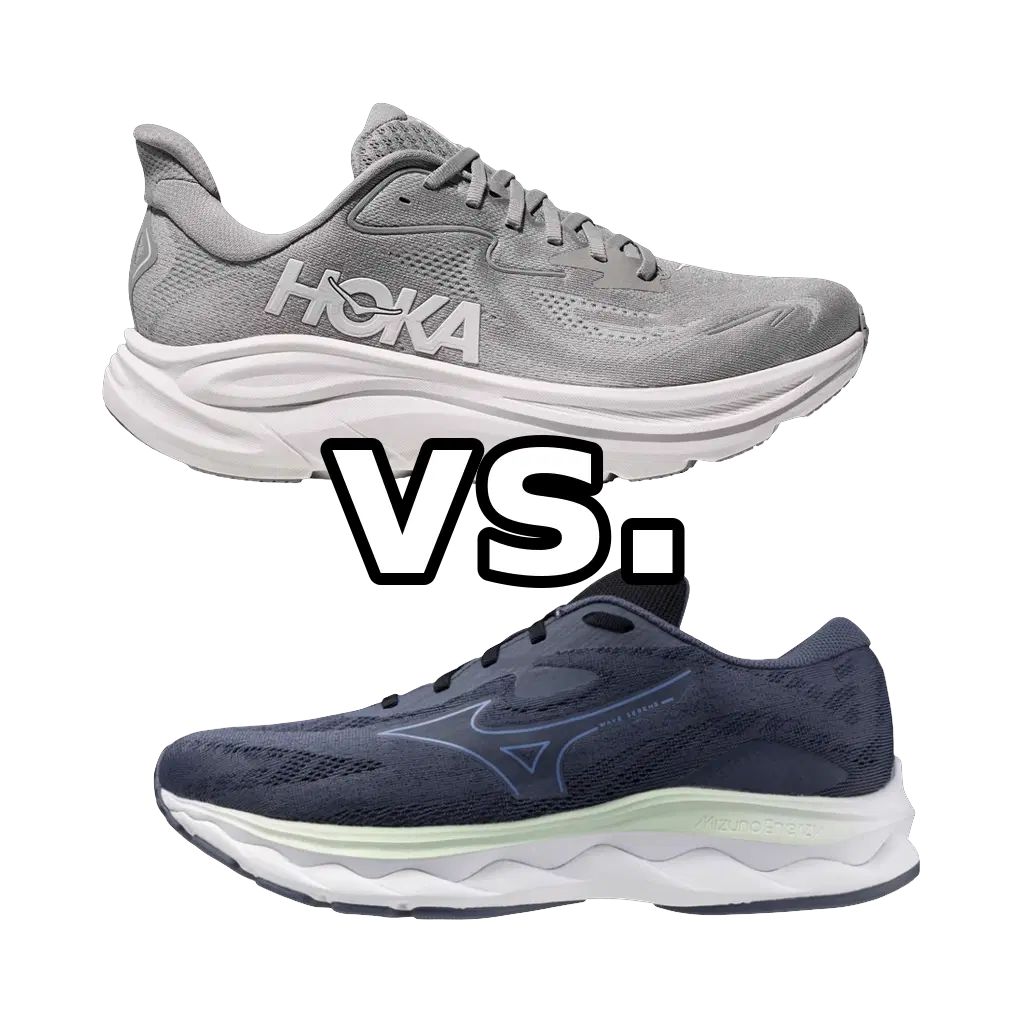
Verdict
These are twins separated mostly by brand feel, so there's no wrong answer — it depends on what you want underfoot. Go Clifton 10 for a lighter, taller, softer ride with a bit more pace range; go Wave Serene for a more planted, durable cruiser built to stay consistent mile after mile. Try both on if you can, because fit and that soft-versus-grounded ride preference will decide it more than any spec on the page.
Pace
3 of 6
Cushioning
5 of 6
Responsiveness
3 of 6
Stability
4 of 6
Drop
8 mm
Support
Neutral
Plate
None
Distances
10KHalfMarathon
Pace
3 of 6
Cushioning
5 of 6
Responsiveness
3 of 6
Stability
4 of 6
Drop
9 mm
Support
Stable Neutral
Plate
None
Distances
10KHalfMarathon
At a Glance
Hoka Clifton 10Mizuno Wave Serene
Who Should Choose Each Shoe
Choose
Hoka Clifton 10
Choose the Hoka Clifton 10 if you want the softest, tallest, most pillowy ride of the two and value a lighter shoe on foot for long runs and marathon training. It's the better pick for runners who occasionally want to nudge the pace down toward moderate efforts, and for anyone already comfortable with Hoka's signature max-cushion, rolling meta-rocker feel — just accept that the plush foam will soften with heavy mileage.
Choose
Mizuno Wave Serene
Choose the Mizuno Wave Serene if you prioritize a calm, planted, dependable ride and want a daily trainer whose cushioning and foam hold up over a long lifespan of easy miles. Its stable-neutral platform suits runners who like a slightly more grounded, guided feel than Hoka's tall, soft stack, and who spend most of their time at genuinely easy, conversational paces rather than pushing turnover.
Head-to-Head
Start with how closely matched these two are: identical cushioning, responsiveness, stability, and pace ratings, essentially the same drop (8mm on the Clifton, 9mm on the Serene — a difference you won't feel), and the same rockered, plate-free, soft-but-protective recipe. The ride character is the same genre too: deep, quiet cushioning that soaks up impact and rolls you forward, with rebound that comforts more than it propels. Where they part ways is in the details. The Clifton 10 is the lighter shoe — around 275g in a men's pair versus roughly 290–300g for the Wave Serene — and it sits in genuine max-stack territory at 42mm in the heel and 34mm in the forefoot, so it feels tall, soft, and cushiony underfoot. The Serene is also a deeply cushioned, plush build, but it leans a touch more toward a planted, guided feel: its stable-neutral platform and Enerzy foam land soft without collapsing, giving a slightly more grounded, dependable ride than the Clifton's taller, softer, more pillowy one. Pace range is another real separator. The Clifton's sweet spot runs about 5:00–6:00 min/km and it still works up to roughly 4:45, while the Serene is tuned a notch slower at 5:30–6:30 min/km and starts to feel flat past about 5:00–5:30 — so the Hoka has marginally more headroom when you want to stretch the legs, and the Mizuno is squarely an easy-cruising shoe. Durability is where the Serene arguably edges ahead: the Clifton's soft compression-molded EVA is known to pack out and lose its plushness before the outsole wears through, whereas the Serene's resilient Enerzy foam and tougher outsole rubber tend to hold their feel over higher mileage.
Similar Comparisons
Mizuno Wave Serene vs Hoka Clifton 11
Hoka Clifton 10 vs Hoka Arahi 8
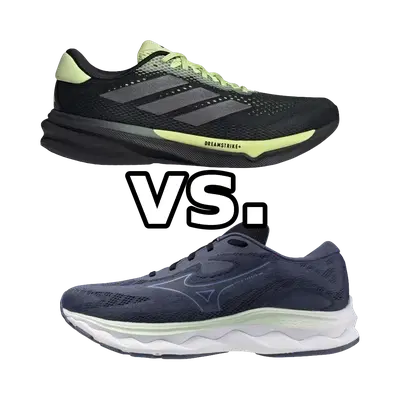
Adidas Supernova Stride 2 vs Mizuno Wave Serene
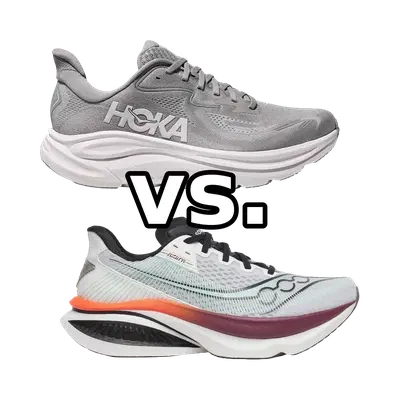
Hoka Clifton 10 vs Saucony Endorphin Azura
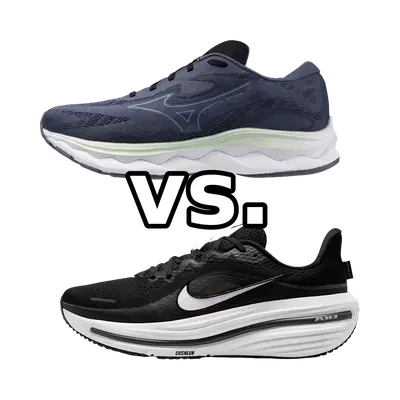
Mizuno Wave Serene vs Nike Winflo 12
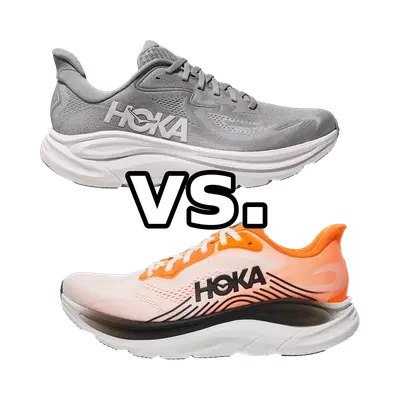
Hoka Clifton 10 vs Hoka Clifton 11
New Balance Fresh Foam X 1080v14 vs Mizuno Wave Serene
Hoka Clifton 10 vs Hoka Clifton Pro
© 2026 longrunshoes.ai | All rights reserved.
Use of materials from this site is permitted only with proper attribution and a link to longrunshoes.ai.