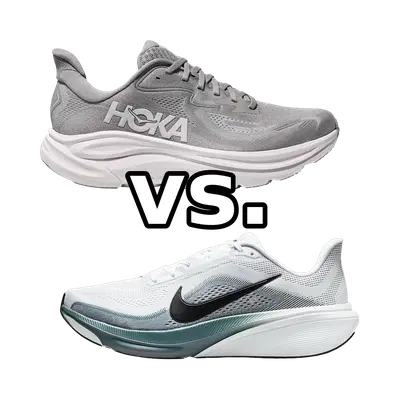
Hoka Clifton 10 vs Hoka Clifton 11:
Which to Choose
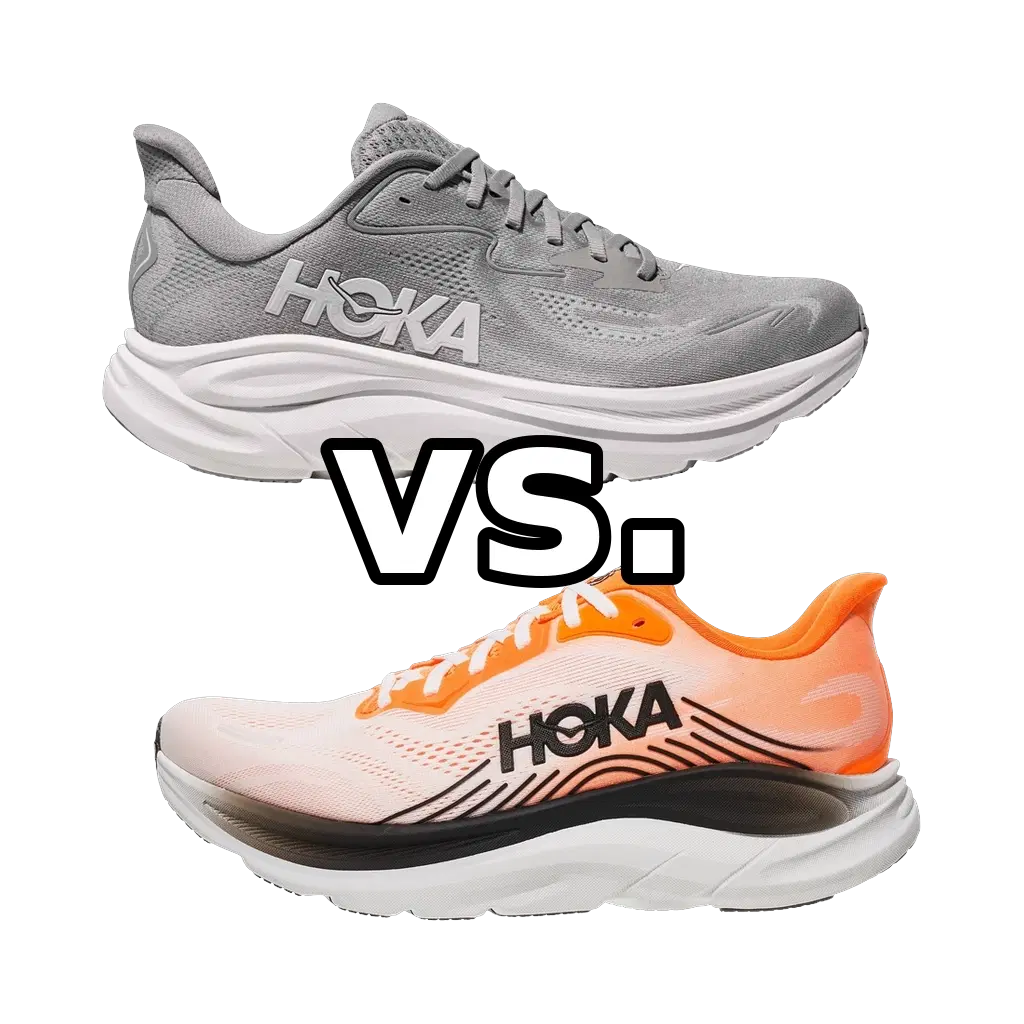
Verdict
These are the same shoe with a better upper and a slightly smoother ride, not a generational leap — so the decision hinges entirely on where you're starting from. If you already run and love the Clifton 10, keep running it and buy the 11 when they wear out; there's no performance gap big enough to justify replacing a good pair early. If you're buying new, go with the Clifton 11 — you get the improved fit, softer sock liner, reflective detailing, and cleaner transitions for essentially the same cushioning, drop, weight, and use case.
Pace
3 of 6
Cushioning
5 of 6
Responsiveness
3 of 6
Stability
4 of 6
Drop
8 mm
Support
Neutral
Plate
None
Distances
10KHalfMarathon
Pace
3 of 6
Cushioning
5 of 6
Responsiveness
3 of 6
Stability
4 of 6
Drop
8 mm
Support
Neutral
Plate
None
Distances
10KHalfMarathon
At a Glance
Hoka Clifton 10Hoka Clifton 11
Who Should Choose Each Shoe
Choose
Hoka Clifton 10
Choose the Clifton 10 if you already own a pair you're happy with, or if you like a slightly firmer, more structured platform underfoot with a touch more rearfoot padding and midfoot volume. It's a fully capable daily and long-run trainer for beginners and experienced recreational runners logging steady aerobic kilometers, and its usable pace window runs a hair quicker, holding together down to about 4:45 min/km before the foam goes soft. There's no urgent reason to retire a Clifton 10 that still has life in it just because the 11 exists.
Choose
Hoka Clifton 11
Choose the Clifton 11 if you're buying fresh or your 10s are worn down, and you want the most comfortable, best-fitting version of this shoe. The redesigned mesh upper and softer sock liner give better foot lockdown and a plusher ride feel, the transition at toe-off is smoother and more flexible, and the added reflective detailing is a real bonus for early-morning or evening runners. It suits the same neutral runner as the 10 — someone who wants one dependable shoe for the bulk of weekly mileage and the occasional half or marathon — with its comfortable cruising zone sitting around 5:30–6:30 min/km.
Head-to-Head
On paper these two are near-twins, and that's the truthful headline: both use Hoka's plateless compression-molded EVA (CMEVA) midsole, both carry an 8mm heel-to-toe drop, both sit in the high-cushion, above-average-stability, moderate-responsiveness bracket, and both call the 10K-to-marathon range their sweet spot with easy and long training runs in between. Neither has a plate, so neither rewards sharp surges — energy return is reliable rather than springy, and each starts to feel flat and vague when you push toward true tempo pace. Weight and stack height are effectively unchanged between the two, so the 11 is not a "lighter, taller" redesign; it's a refinement of the same platform. Where the Clifton 11 genuinely moves the needle is up top and in the transition: it swaps to a redesigned engineered mesh upper with a softer sock liner that improves foot hold and comfort around the ankle, adds reflective detailing for low-light visibility, and smooths out toe-off with a slightly more flexible, more composed transition rather than the stiffer, more structured feel of the 10. Both still ride tall and stable on that wide meta-rocker base — the 11 just polishes the fit and the roll-through without reinventing the ride. The one durability caveat carries across both: the soft EVA tends to compress before the outsole wears out, so expect the plush feel to fade over high mileage in either version.
Similar Comparisons
Asics Novablast 6 vs Hoka Clifton 11
Hoka Clifton 10 vs Hoka Arahi 8
Brooks Ghost 18 vs Hoka Clifton 11
Hoka Clifton 10 vs Saucony Endorphin Azura
Brooks Glycerin 23 vs Hoka Clifton 11
Hoka Clifton 10 vs Hoka Clifton Pro
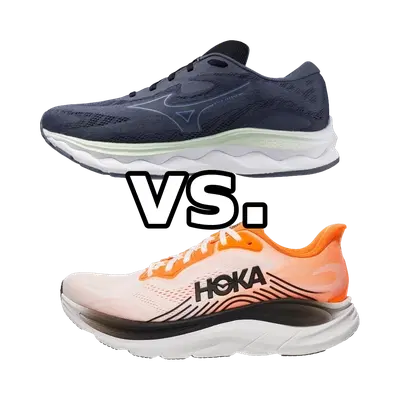
Mizuno Wave Serene vs Hoka Clifton 11
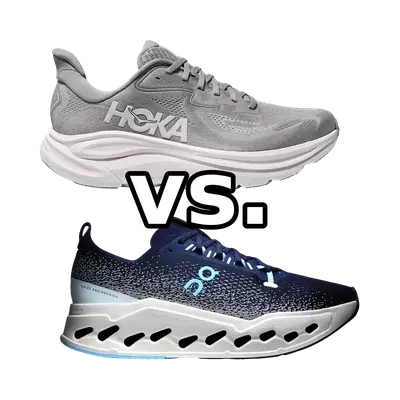
Hoka Clifton 10 vs On Cloudsurfer Max
© 2026 longrunshoes.ai | All rights reserved.
Use of materials from this site is permitted only with proper attribution and a link to longrunshoes.ai.