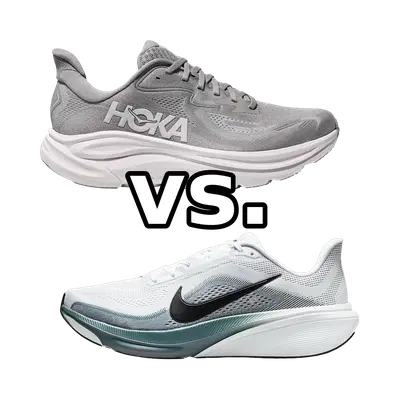
Hoka Clifton 10 vs Hoka Clifton Pro:
Which to Choose
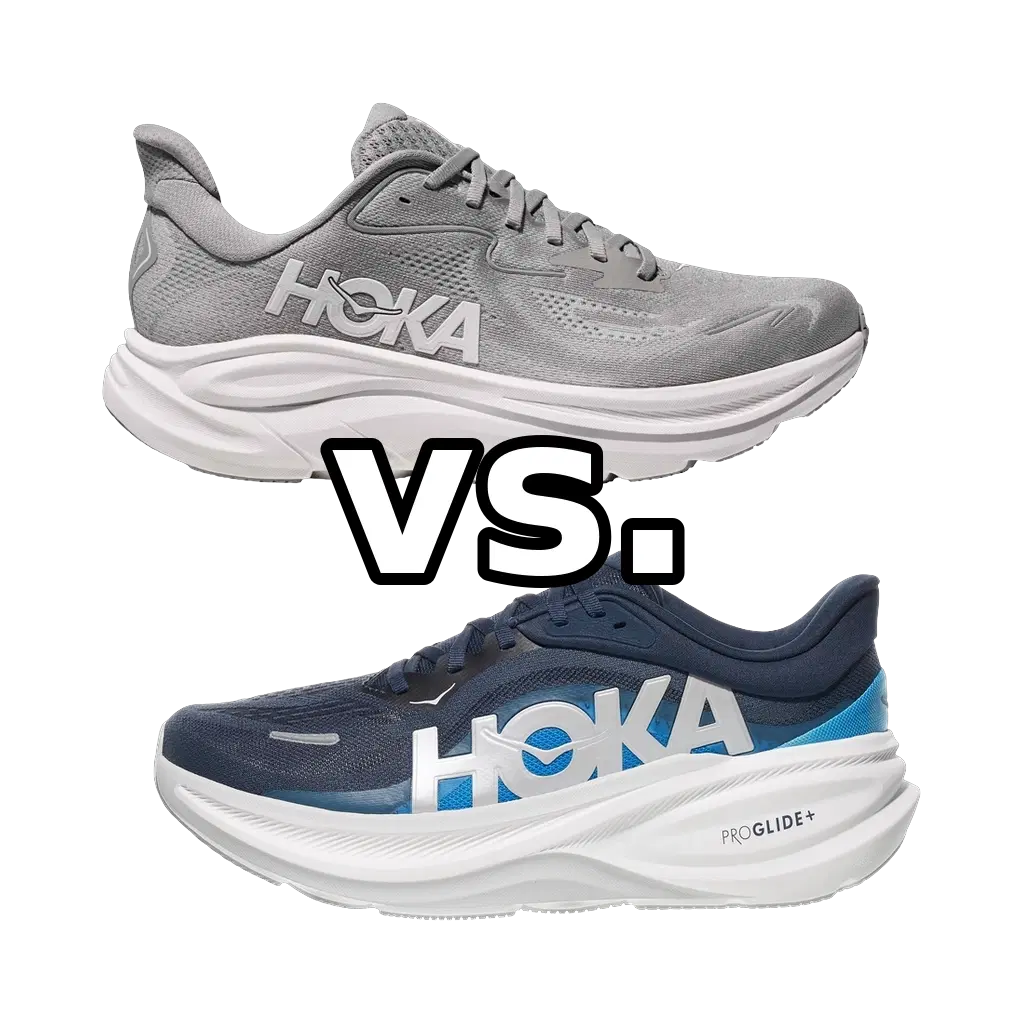
Verdict
These are the same shoe philosophy tuned two different ways, so it comes down to ride feel, not category. Pick the Clifton 10 for the softest, most protective long-run cushion at easy paces; pick the newer Clifton Pro if you want a firmer, more responsive, slightly lighter ride that stays composed when the pace picks up. Neither is a true racer — if you're chasing 5K PRs or sprints, both flatten out and a dedicated plated shoe serves better.
Pace
3 of 6
Cushioning
5 of 6
Responsiveness
3 of 6
Stability
4 of 6
Drop
8 mm
Support
Neutral
Plate
None
Distances
10KHalfMarathon
Pace
4 of 6
Cushioning
5 of 6
Responsiveness
5 of 6
Stability
4 of 6
Drop
8 mm
Support
Stable Neutral
Plate
None
Distances
10KHalfMarathon
At a Glance
Hoka Clifton 10Hoka Clifton Pro
Who Should Choose Each Shoe
Choose
Hoka Clifton 10
Choose the Clifton 10 if your weeks are built on easy aerobic and long-run mileage and you prize maximum comfort and impact protection over snap. It's the friendlier pick for beginners, higher-mileage recreational runners, and anyone who wants a soft, forgiving cushion to cruise a half or marathon at a relaxed 5:00–6:00 min/km — a shoe that stays smooth and quiet rather than one that pushes back.
Choose
Hoka Clifton Pro
Choose the Clifton Pro if you want one cushioned shoe for most of the week but dislike a soft, sink-in feel — its firmer, springier supercritical foam handles easy miles, longer efforts, and occasional pickups without going vague when you accelerate. It's the better fit for intermediate runners who train a bit quicker (4:45–5:45 min/km), want livelier turnover and a marginally lighter shoe, and value the more durable, near full-rubber outsole.
Head-to-Head
Their bones are shared — same 8mm official drop, roughly the same generous ~43mm heel stack, the same rockered platform, no plate, and a stable-neutral base that rates 4/6 for stability without any medial posting. The decisive difference is the midsole material and, with it, the character of the ride. The Clifton 10 uses a compression-molded EVA that feels soft, deep, and protective; it soaks up impact beautifully at easy paces but is deliberately damping rather than energetic, so it flattens out and gives less back when you push (responsiveness 3/6). The Clifton Pro swaps in ProGlide+ supercritical EVA, which reads as moderately firm and noticeably springy, with rebound that rewards a rolling stride (responsiveness 5/6). That shows up in the pace windows: the Clifton 10 is happiest at 5:00–6:00 min/km and starts to feel vague past about 4:45, while the Clifton Pro's sweet spot sits quicker at 4:45–5:45 min/km and it holds together down to roughly 4:20. The Pro is also the lighter shoe, around 264g in a men's US 9 versus roughly 278g for the Clifton 10, which reinforces its more eager feel. Underfoot preference splits cleanly too — the Clifton 10 is the plush, sink-in cruiser whose cushioning earns its keep over long, steady efforts, whereas the Pro is quicker and more insistent through the rocker (a touch much at a slow shuffle) and calls the half marathon its sweet spot. Durability leans toward the Pro as well, thanks to near end-to-end rubber coverage, whereas the Clifton 10's soft EVA tends to compress and lose some of its plushness before the outsole wears out.
Similar Comparisons
Hoka Clifton 11 vs Hoka Clifton Pro
Hoka Clifton 10 vs Hoka Arahi 8
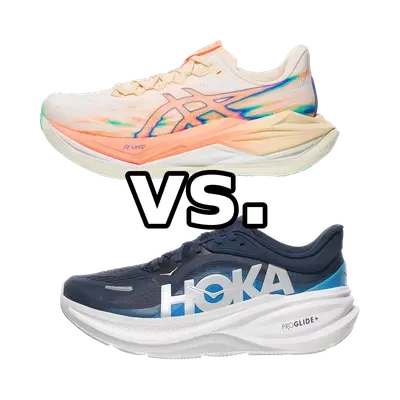
Asics Superblast 3 vs Hoka Clifton Pro
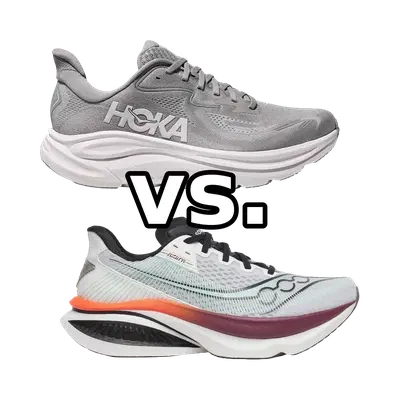
Hoka Clifton 10 vs Saucony Endorphin Azura
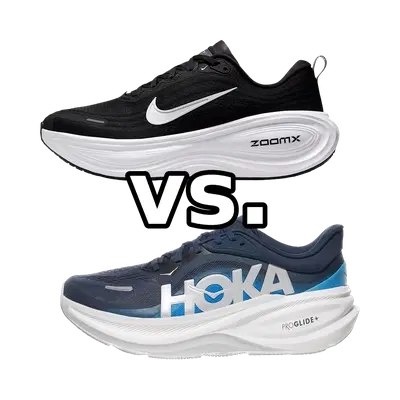
Nike Vomero Plus vs Hoka Clifton Pro
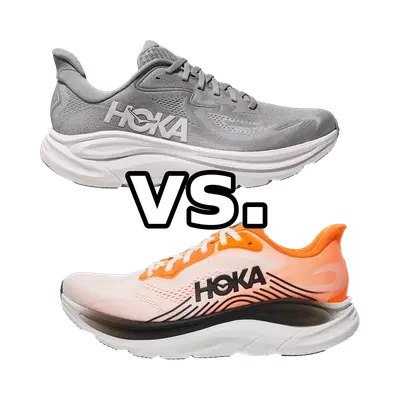
Hoka Clifton 10 vs Hoka Clifton 11
Hoka Bondi 9 vs Hoka Clifton Pro
Hoka Clifton 10 vs On Cloudsurfer Max
© 2026 longrunshoes.ai | All rights reserved.
Use of materials from this site is permitted only with proper attribution and a link to longrunshoes.ai.