
Asics Superblast 3 vs Hoka Clifton Pro:
Which to Choose
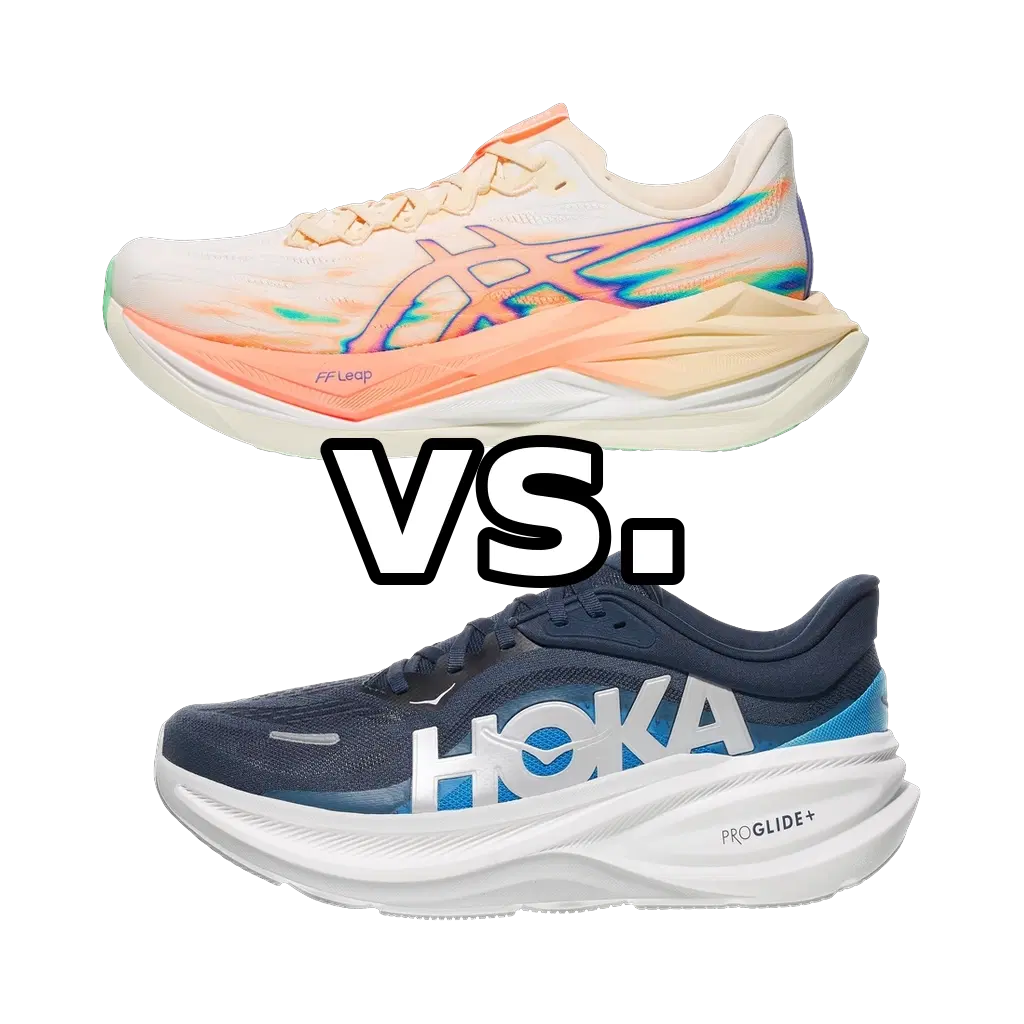
Verdict
It comes down to where your paces actually live. Pick the newer Superblast 3 if you want the lighter, taller, more versatile trainer that shines when you push into tempo and half-to-marathon efforts; pick the Clifton Pro if you want the firmer, rocker-smooth, more stable and durable everyday cruiser for steadier miles. Both are excellent, plateless neutral shoes in the same distance range — the Superblast rewards speed, the Clifton rewards consistency.
Pace
5 of 6
Cushioning
6 of 6
Responsiveness
5 of 6
Stability
3 of 6
Drop
8 mm
Support
Neutral
Plate
None
Distances
10KHalfMarathon
Pace
4 of 6
Cushioning
5 of 6
Responsiveness
5 of 6
Stability
4 of 6
Drop
8 mm
Support
Stable Neutral
Plate
None
Distances
10KHalfMarathon
At a Glance
Asics Superblast 3Hoka Clifton Pro
Who Should Choose Each Shoe
Choose
Asics Superblast 3
Choose the Superblast 3 if you want a single pair that genuinely covers easy miles, steady training and honest tempo work without swapping in a race shoe — and if you value low weight and a springy, deep ride that gets livelier the faster you go. It's the better fit for the neutral runner logging tempo-to-marathon efforts around 4:00–4:45 min/km who wants maximum cushioning that still feels quick, and who's comfortable managing the exposed-foam upper with a little care.
Choose
Hoka Clifton Pro
Choose the Clifton Pro if most of your week is easy and long running at steadier paces (roughly 4:45–5:45 min/km) with the occasional pickup, and you prefer protection that stays moderately firm rather than soft and sink-in. Its rocker-driven, more stable-neutral platform and fuller rubber coverage make it the more grounded, hard-wearing daily trainer — ideal for recreational and intermediate runners who want one dependable cushioned shoe and don't need the extra top-end speed.
Head-to-Head
Both shoes share an 8mm drop, run without any plate, and lean on supercritical foam plus midsole geometry rather than a stiff insert for their pop — so the headline difference isn't the recipe, it's the tuning. The Superblast 3 sits on a taller 46mm heel / 38mm forefoot platform yet weighs just 235g in a men's US 9, versus the Clifton Pro's lower 43mm / 33mm stack at about 264g — so the Asics is both taller and nearly 30g lighter, a genuinely unusual combination that explains why it feels far quicker than its size suggests. Underfoot the personalities diverge: the Superblast's FF Leap A-TPU-over-FF Blast+ midsole is soft-but-lively and rewards pressing into it, coming alive as you accelerate, with a smooth rolling transition that can feel slightly tippy at very slow paces given its towering platform. The Clifton Pro's ProGlide+ supercritical EVA is deliberately moderately firm rather than pillowy, and its aggressive MetaRocker does the work of tipping you forward — transitions feel quick and mechanical, though that rocker can feel insistent when you're shuffling. Pace ranges tell the same story cleanly: the Superblast 3 is optimized for roughly 4:00–4:45 min/km and stays effective down to about 3:50–4:15, while the Clifton Pro is dialed for a more relaxed 4:45–5:45 min/km and works best down to about 4:20. On stability, the Clifton Pro's wider, stable-neutral platform (4/6) edges out the Superblast's stable-but-unreinforced 3/6, and near end-to-end rubber makes the Hoka the more durability-forward pick, whereas the Superblast's exposed foam sidewalls trade some longevity for that low weight.
Similar Comparisons
Hoka Clifton 11 vs Hoka Clifton Pro

Hoka Skyward X vs Asics Superblast 3
Nike Vomero Plus vs Hoka Clifton Pro

Asics Novablast 6 vs Asics Superblast 3
Hoka Clifton 10 vs Hoka Clifton Pro
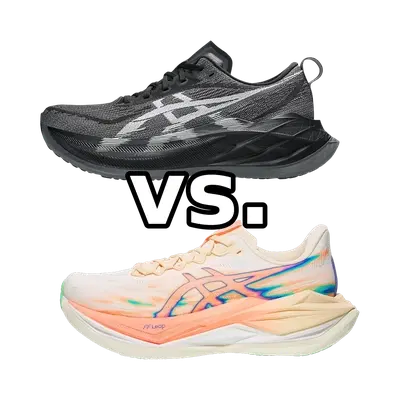
Asics Superblast 2 vs Asics Superblast 3
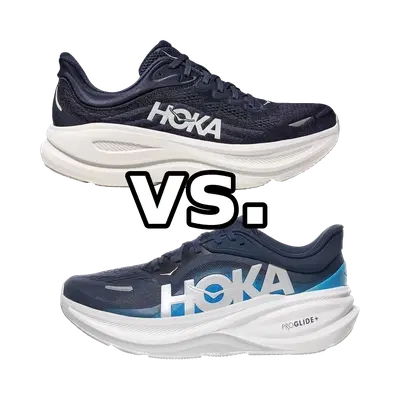
Hoka Bondi 9 vs Hoka Clifton Pro
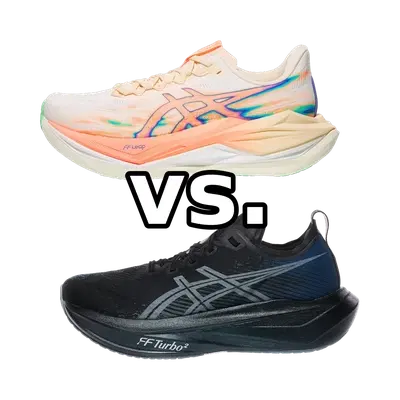
Asics Superblast 3 vs Asics Megablast
© 2026 longrunshoes.ai | All rights reserved.
Use of materials from this site is permitted only with proper attribution and a link to longrunshoes.ai.