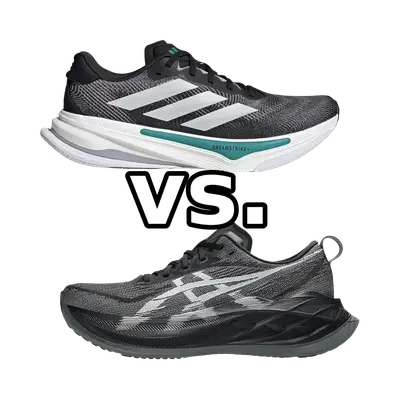
Asics Superblast 2 vs Asics Superblast 3:
Which to Choose
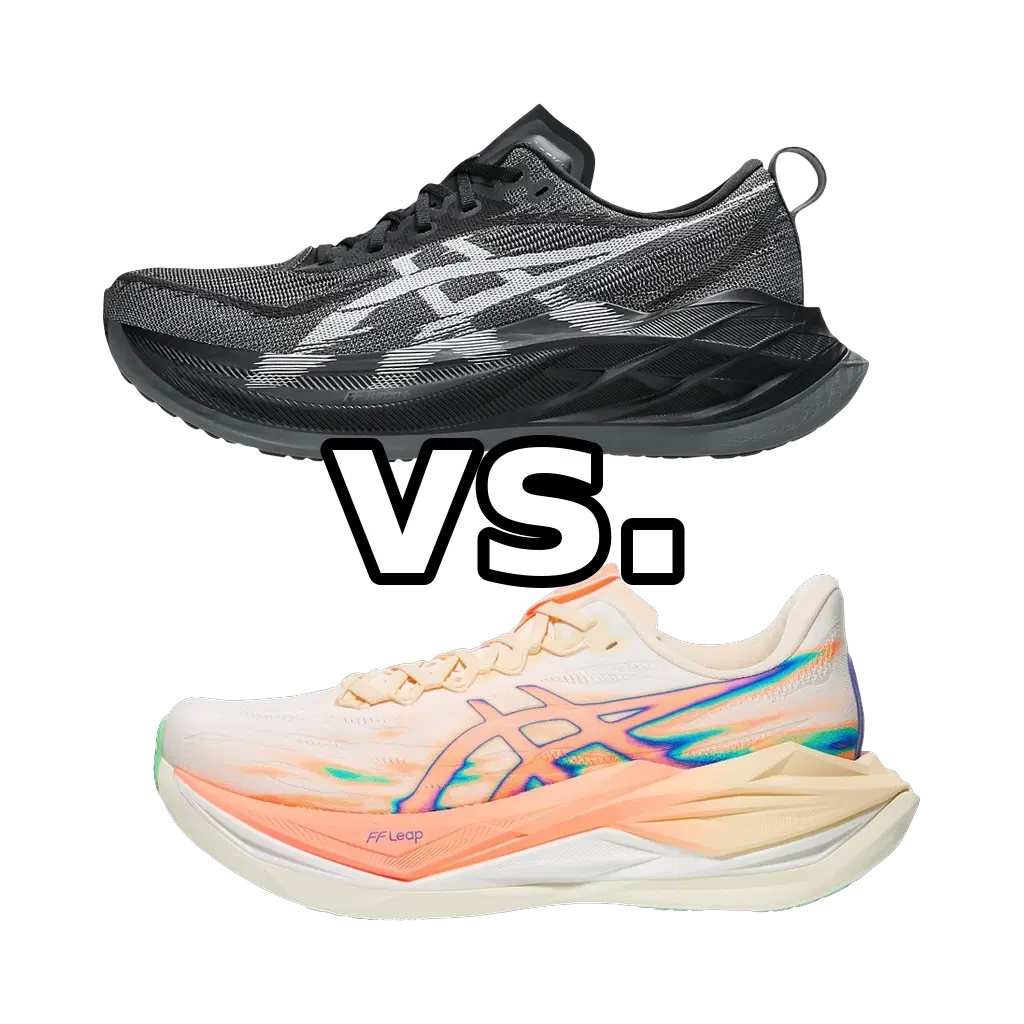
Verdict
These are genuinely close siblings, not a reinvention — same 8mm drop, same plateless design, same use case, nearly the same stack. The upgrade comes down to feel: the Superblast 3 is lighter (235g vs 248g) and softer/bouncier thanks to its FF Leap A-TPU foam, while the Superblast 2 is a touch firmer and more stable. If your Superblast 2 still has life in it and you like its planted ride, there's no urgent reason to switch; if you want lighter, springier, and more forgiving and don't mind slightly less stability underfoot, the 3 is the better shoe.
Pace
5 of 6
Cushioning
6 of 6
Responsiveness
5 of 6
Stability
4 of 6
Drop
8 mm
Support
Neutral
Plate
None
Distances
10KHalfMarathon
Pace
5 of 6
Cushioning
6 of 6
Responsiveness
5 of 6
Stability
3 of 6
Drop
8 mm
Support
Neutral
Plate
None
Distances
10KHalfMarathon
At a Glance
Asics Superblast 2Asics Superblast 3
Who Should Choose Each Shoe
Choose
Asics Superblast 2
Choose the Superblast 2 if you value a firmer, more planted ride and already trust how it handles under fatigue — its slightly firmer PEBA top layer and marginally more stable base make it the steadier of the two at slow paces and on long efforts where you don't want a tall stack feeling wobbly. It's the pick for the runner who bought the 2, loves it, and doesn't see a reason to chase a softer feel just because a newer number exists.
Choose
Asics Superblast 3
Choose the Superblast 3 if you want the lightest, liveliest version of this concept: at 235g with the new A-TPU top layer, it's noticeably lighter and bouncier than the 2, rewarding runners who press into the foam at tempo and want maximum energy return from a plateless trainer-racer. For a Superblast 2 owner, it's a worthwhile upgrade if you'd trade a hair of low-speed stability for a softer, springier, lighter ride across the same 10K-to-marathon range.
Head-to-Head
The headline change is the foam. The Superblast 2 runs a top layer of FF Turbo Plus PEBA over an FF Blast Plus Eco base for a stack near 45mm; the Superblast 3 swaps that top layer for FF Leap A-TPU — a lighter, bouncier superfoam trickled down from Asics' Metaspeed racers — over an FF Blast+ base on a 46mm heel / 38mm forefoot platform. Both keep the same 8mm drop and the same plateless construction, so in both shoes every bit of rebound comes from the foam and midsole geometry rather than a stiffening plate, giving a smooth, rolling transition instead of a snappy one. The 3 is the lighter shoe at 235g (US men's 9) versus 248g for the 2 — a real drop that, combined with the softer A-TPU, makes the newer shoe feel bouncier and more forgiving underfoot. That softness comes with a tradeoff in stability: the Superblast 2 sits on a marginally firmer, more planted base (we rate it 4/6 for stability) while the taller, softer Superblast 3 feels slightly more tippy at slow paces (3/6), though its broad platform still keeps it manageable for such a tall stack. Both share exposed foam sidewalls and modest outsole rubber, so durability care is a fair trade in either. Functionally their use case is identical — tempo, uptempo long runs, and race day in one shoe — with nearly the same optimal pace windows; the 3 simply feels a touch lighter, softer, and springier for the effort.
Similar Comparisons

Asics Novablast 5 vs Asics Superblast 3
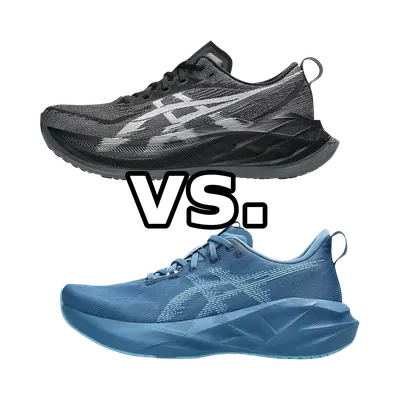
Asics Superblast 2 vs Asics Novablast 5

Hoka Skyward X vs Asics Superblast 3
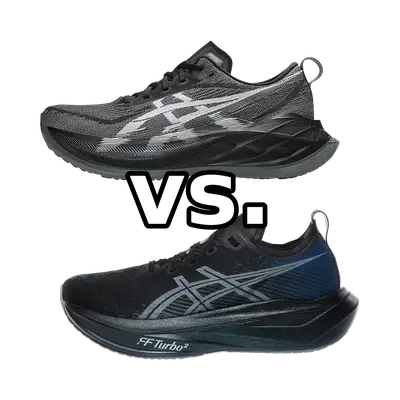
Asics Superblast 2 vs Asics Megablast
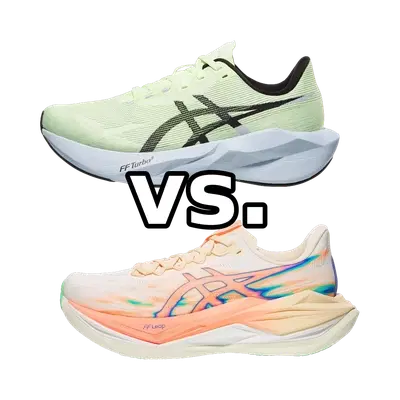
Asics Novablast 6 vs Asics Superblast 3
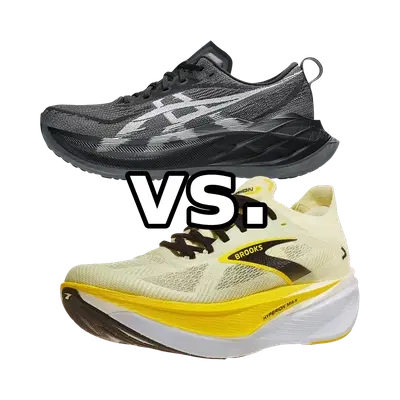
Asics Superblast 2 vs Brooks Hyperion Max 3
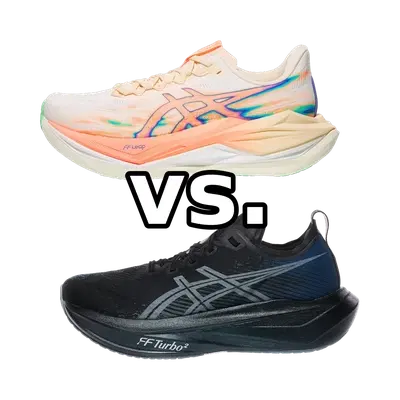
Asics Superblast 3 vs Asics Megablast

Asics Superblast 3 vs Brooks Hyperion Max 3
© 2026 longrunshoes.ai | All rights reserved.
Use of materials from this site is permitted only with proper attribution and a link to longrunshoes.ai.