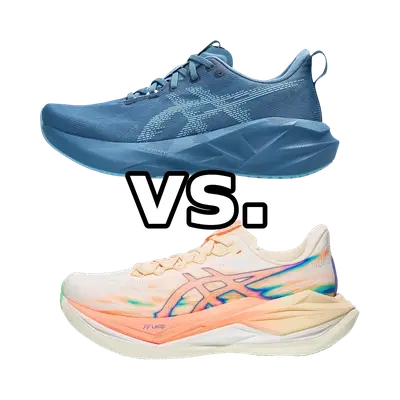
Asics Superblast 3 vs Asics Megablast:
Which to Choose
Verdict
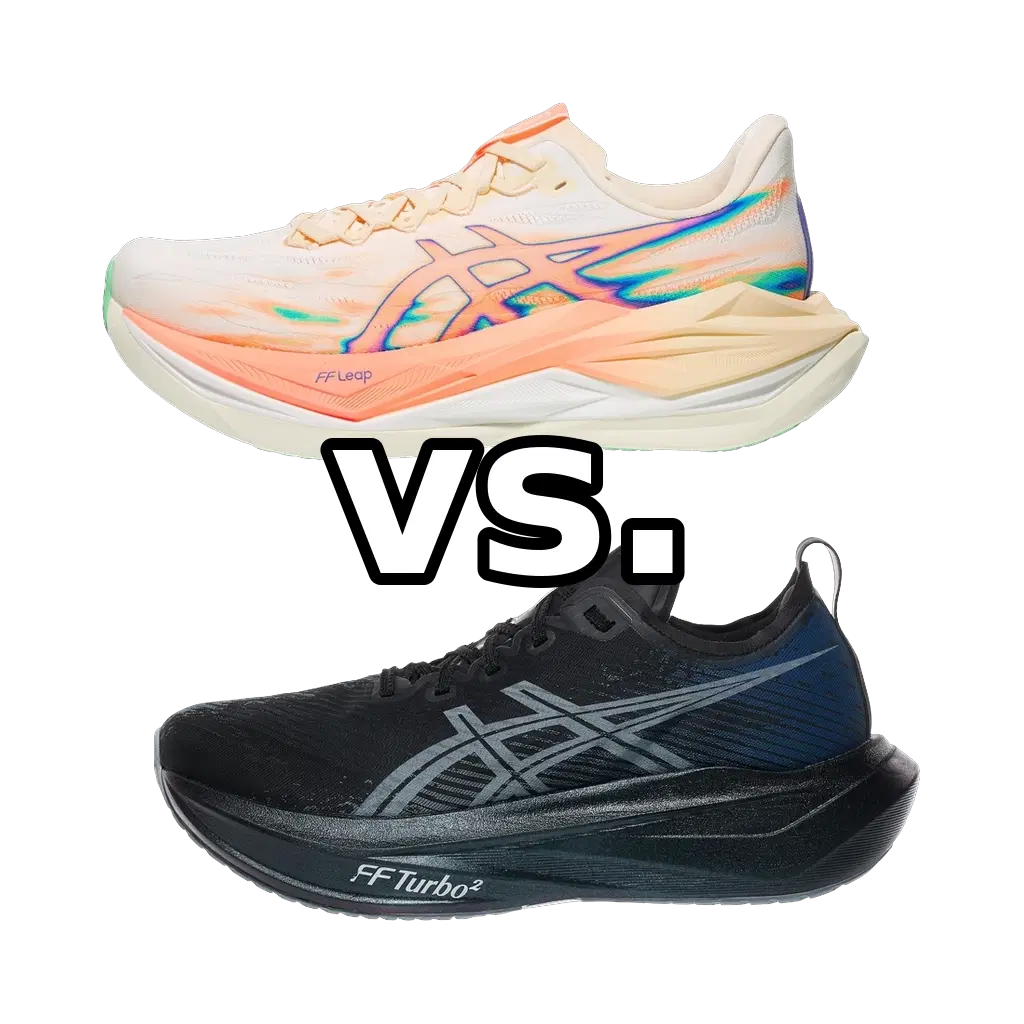
These two overlap heavily — same drop, same neutral plate-free format, same best distances — so the honest answer is that it depends on the pace you'll actually run them at. Reach for the Superblast 3 if you want the sharper, firmer-based, tempo-and-marathon shoe that rewards pushing; reach for the newer Megablast if you want the lighter, softer, comfort-first super trainer for everyday mileage with the occasional fast day mixed in. Neither replaces a carbon-plated 5K racer — pick on ride feel and intended tempo, not on chasing an all-out short-course tool.
Pace
5 of 6
Cushioning
6 of 6
Responsiveness
5 of 6
Stability
3 of 6
Drop
8 mm
Support
Neutral
Plate
None
Distances
10KHalfMarathon
Pace
4 of 6
Cushioning
6 of 6
Responsiveness
5 of 6
Stability
4 of 6
Drop
8 mm
Support
Neutral
Plate
None
Distances
10KHalfMarathon
At a Glance
Asics Superblast 3Asics Megablast
Who Should Choose Each Shoe
Choose
Asics Superblast 3
Choose the Superblast 3 if you want one shoe that leans toward the fast end — a neutral runner who does honest tempo sessions and marathon-pace work and wants a lively, dual-foam ride that comes alive when you press into it. It's the better pick if you value a firmer, more responsive base underfoot for structured workouts and don't mind carrying a few extra grams for that layered feel. Runners who already know and trust the Superblast line, or who want the taller forefoot for long-run protection at pace, will feel right at home.
Choose
Asics Megablast
Choose the Megablast if your priority is a soft, forgiving, do-everything trainer for the bulk of your weekly mileage — easy days, comfortable uptempo running, and the occasional race — at the lowest weight of the two. Its single-foam FF Turbo² ride is plush and uniformly bouncy rather than firm, making it the friendlier choice for daily comfort and long, relaxed miles, with a slightly more planted platform for reassurance. It suits the experienced recreational runner who wants maximum cushion and versatility without needing a dedicated tempo-focused base.
Head-to-Head
On paper these are close cousins — same 8mm drop, same neutral, plate-free build, same maximum cushioning rating, and near-identical stacks (46mm heel / 38mm forefoot on the Superblast 3 versus 45mm / 35mm on the Megablast). The differences are in the foam and the intended tempo. The Superblast 3 runs a dual-foam midsole — Asics' springy FF Leap A-TPU on top over a firmer FF Blast+ base — which gives it a more layered, tempo-ready feel and a hint more forefoot stack to press into. The Megablast simplifies to a single slab of FF Turbo² A-TPU, a softer, uniformly bouncy ride with no firm undercarriage beneath it. That plays out in weight and positioning: the Megablast is the lighter of the two at roughly 218g in a men's US 9, against about 235g for the Superblast 3, yet it's tuned as the more comfort-first uptempo daily trainer, happiest around 4:45–5:30 min/km and holding on down to about 4:20 when pushed. The Superblast 3 is the sharper instrument, sitting in a 4:00–4:45 min/km pocket and still effective near 3:50–4:15 for genuine tempo and marathon efforts — its dual-foam base is what lets it firm up and roll at speed rather than plod. Stability is a wash with a slight edge to the Megablast (its broad platform plus a reinforced heel and midfoot earn it a marginally more planted rating), but both are tall shoes that feel a touch tippy at very slow, tired paces until you find a rhythm. Neither has a plate, so neither is a true short-course racer; the bounce in both comes from foam geometry alone.
Similar Comparisons
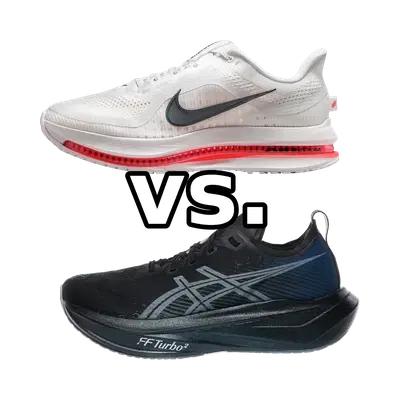
Nike Pegasus Premium vs Asics Megablast
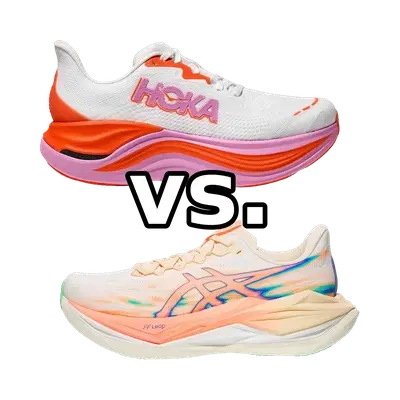
Hoka Skyward X vs Asics Superblast 3
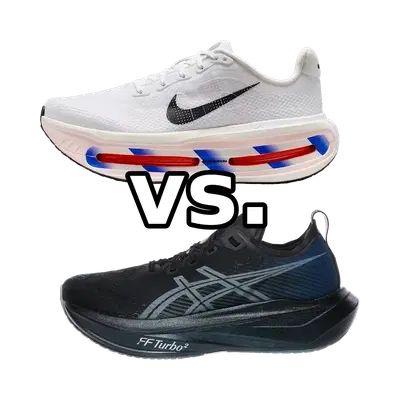
Nike Vomero Premium vs Asics Megablast
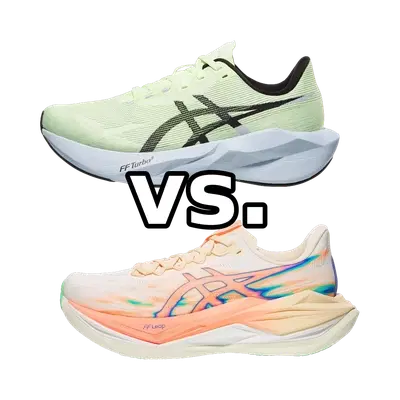
Asics Novablast 6 vs Asics Superblast 3
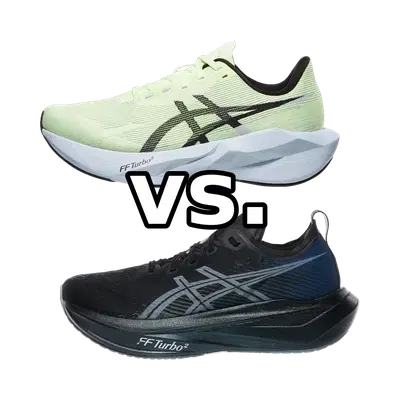
Asics Novablast 6 vs Asics Megablast
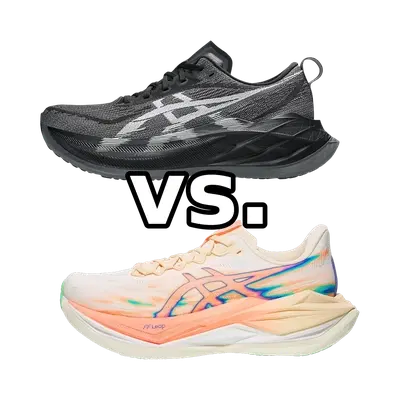
Asics Superblast 2 vs Asics Superblast 3
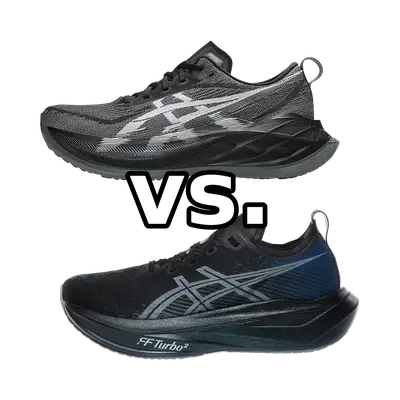
Asics Superblast 2 vs Asics Megablast
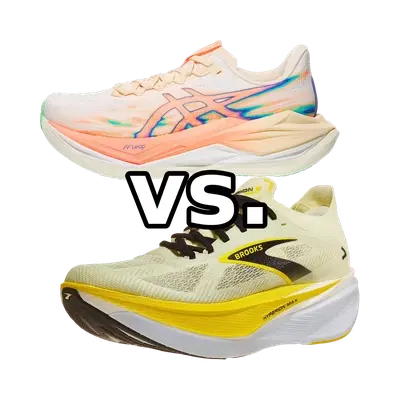
Asics Superblast 3 vs Brooks Hyperion Max 3
© 2026 longrunshoes.ai | All rights reserved.
Use of materials from this site is permitted only with proper attribution and a link to longrunshoes.ai.