
Asics Superblast 3 vs Brooks Hyperion Max 3:
Which to Choose
Verdict
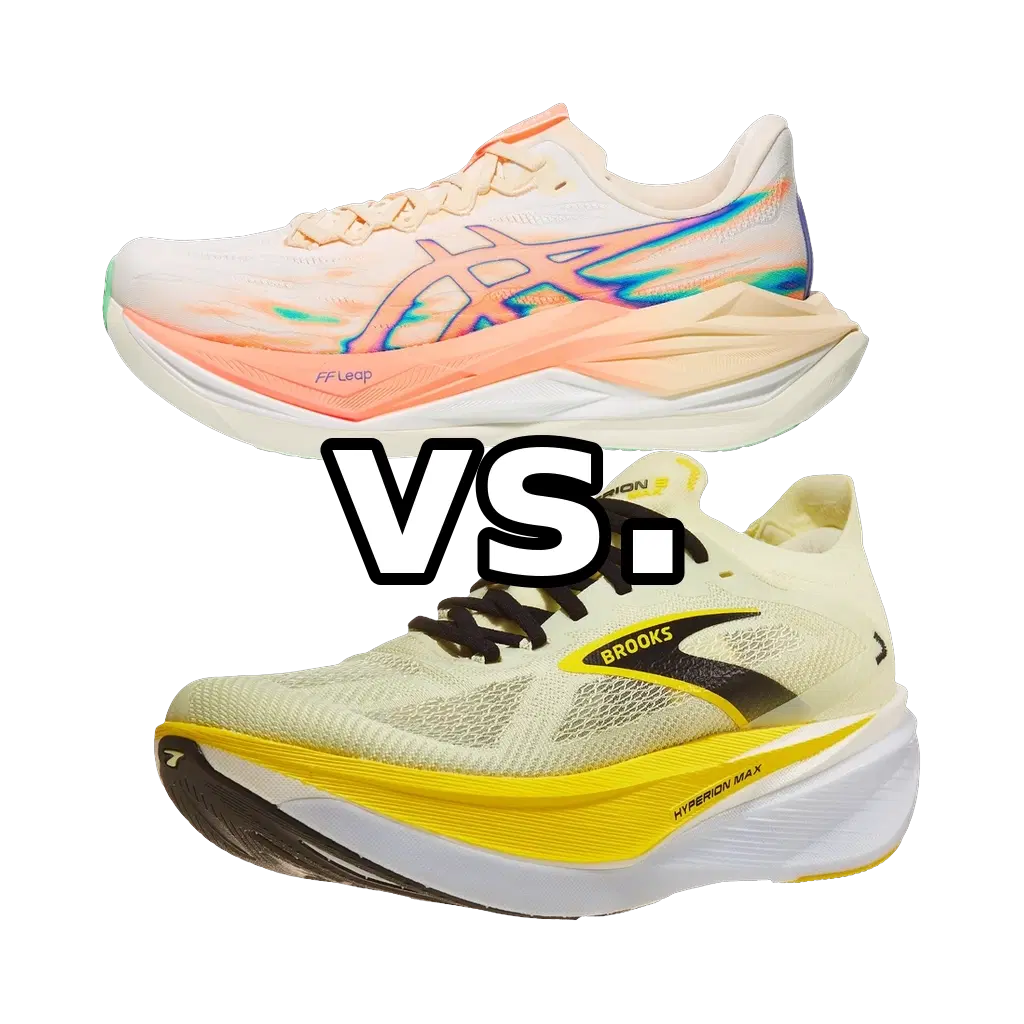
These are two genuinely close super trainers with the same cushioning, stability, and best-distance profile, so it comes down to ride philosophy, not capability. Go Superblast 3 for a markedly lighter, plateless, foam-bounce ride with a lower 8mm drop; go Hyperion Max 3 for a heavier but more actively propulsive setup where a nylon plate and rocker roll you forward on a taller ~11mm drop. If you can only try one blind, the Superblast is the safer all-rounder thanks to its weight advantage, but runners who love a rockered, guided feel will genuinely prefer the Brooks.
Pace
5 of 6
Cushioning
6 of 6
Responsiveness
5 of 6
Stability
3 of 6
Drop
8 mm
Support
Neutral
Plate
None
Distances
10KHalfMarathon
Pace
5 of 6
Cushioning
6 of 6
Responsiveness
5 of 6
Stability
3 of 6
Drop
11 mm
Support
Neutral
Plate
Composite
Distances
10KHalfMarathon
At a Glance
Asics Superblast 3Brooks Hyperion Max 3
Who Should Choose Each Shoe
Choose
Asics Superblast 3
Choose the Superblast 3 if you want the lightest possible one-shoe quiver and prefer a natural, foam-driven bounce over a plated, guided ride — it's the pick for neutral runners who like to feel the foam respond as they lean into the pace rather than being rockered forward. Its lower 8mm drop and near-weightless feel for the cushioning make it especially appealing if you cover a wide range in one pair, from easy long runs up through half and marathon tempo, and don't want the sensation of a plate underfoot. As the newer arrival, it's also the natural upgrade path for anyone already loyal to the plateless Superblast lineage.
Choose
Brooks Hyperion Max 3
Choose the Hyperion Max 3 if you want that rocker-assisted, race-day-on-training-days feel and don't mind carrying a bit more shoe to get it — the RapidRoll geometry and flexible nylon plate give a smooth, propulsive roll-through that many intermediate-to-experienced runners find flattering during tempo sessions and uptempo long runs. Its more pronounced ~11mm heel-biased drop suits runners who like a strong heel-to-toe transition and prefer to be nudged forward rather than digging into foam. It's the established, known-quantity option for those who want PEBA rebound with a guiding rocker rather than pure foam feel.
Head-to-Head
These two overlap heavily, but the differences are real and worth understanding. The biggest is weight: the Superblast 3 comes in at just 235g for a men's US 9, while the Hyperion Max 3 is 283g — a genuine ~48g gap that the Superblast turns into a lighter, friskier feel underfoot, especially on longer efforts. They share a 46mm heel, but the Superblast sits a touch taller up front (38mm forefoot vs 35mm), giving it an 8mm drop against the Hyperion's lab-measured ~11mm, so the Brooks feels more heel-biased and rolls you through the transition, while the Asics feels flatter and more balanced. The other defining split is how each shoe generates its ride. The Superblast is entirely plateless: its lively, soft-but-springy bounce comes from foam geometry alone, stacking an FF Leap A-TPU superfoam over an FF Blast+ base, and it rewards you the more you press into it. The Hyperion Max 3 pairs a 100% PEBA DNA Gold layer over DNA Flash v2 with a flexible nylon SpeedVault plate and RapidRoll rocker geometry — the plate here adds smoothness rather than a hard carbon snap, and the rocker actively nudges you forward once the pace climbs. Both ride bouncy-but-controlled, both come alive at tempo, and both feel slightly tippy at very slow jogging paces given their height. Effective fast zones are close, too: the Superblast is happiest around 3:50–4:15 min/km and the Hyperion around 3:45–4:10 min/km. The practical upshot is that the Superblast leans on featherweight foam bounce, while the Hyperion leans on guided, rocker-and-plate propulsion.
Similar Comparisons
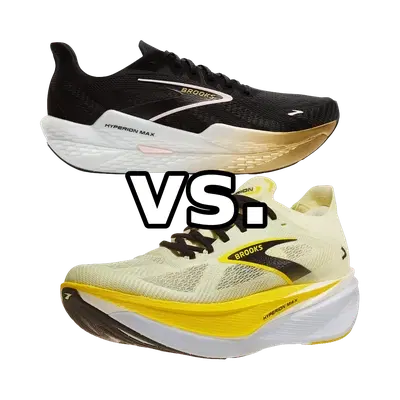
Brooks Hyperion Max 2 vs Brooks Hyperion Max 3

Hoka Skyward X vs Asics Superblast 3
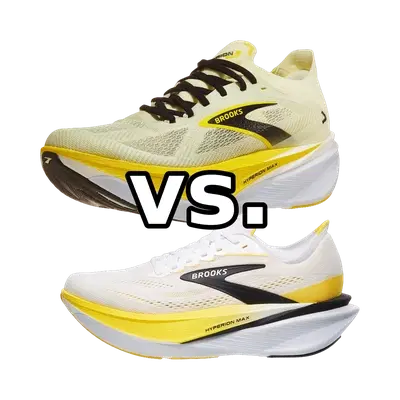
Brooks Hyperion Max 3 vs Brooks Hyperion Max 4
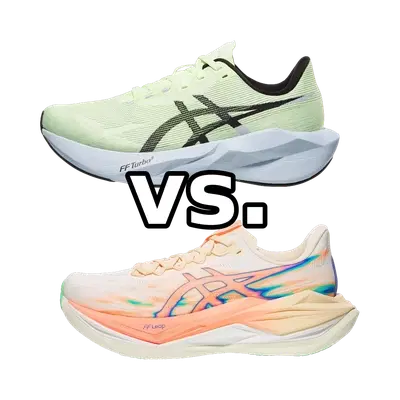
Asics Novablast 6 vs Asics Superblast 3
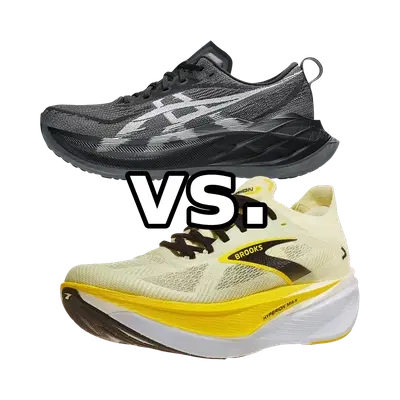
Asics Superblast 2 vs Brooks Hyperion Max 3
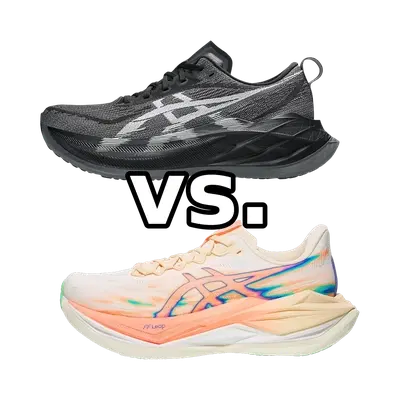
Asics Superblast 2 vs Asics Superblast 3
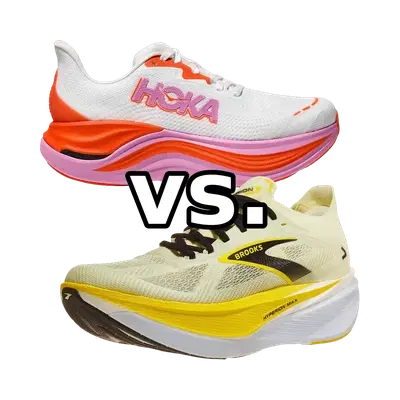
Hoka Skyward X vs Brooks Hyperion Max 3
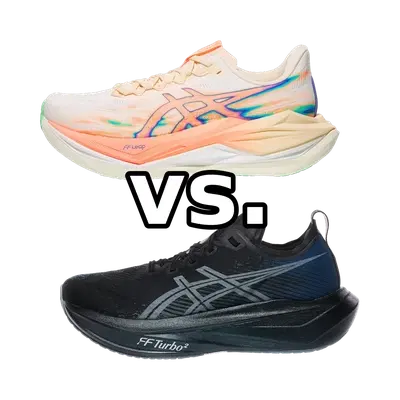
Asics Superblast 3 vs Asics Megablast
© 2026 longrunshoes.ai | All rights reserved.
Use of materials from this site is permitted only with proper attribution and a link to longrunshoes.ai.