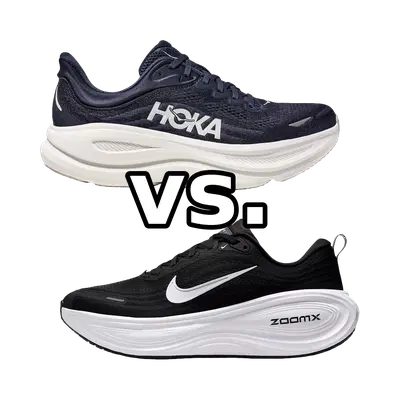
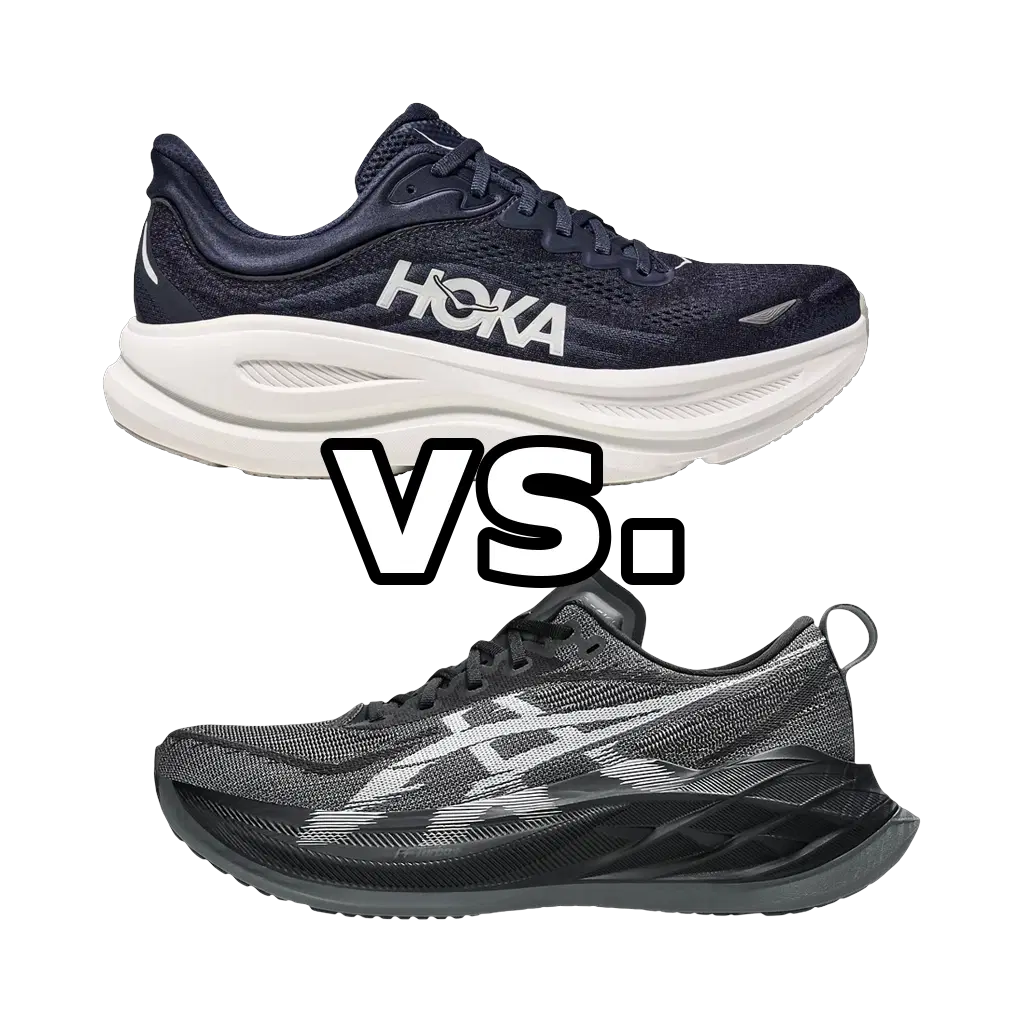
Hoka Bondi 9 vs Asics Superblast 2:
Which to Choose
Verdict
These two only look alike on the spec sheet — in practice they solve different problems. Choose the Bondi 9 if you want a plush, stable, durable shoe for easy and recovery miles; choose the Superblast 2 if you want a lighter, springier one-shoe quiver that can jog, tempo, and race. It comes down to whether you're protecting tired legs or chasing versatility and pace — not to which badge is on the heel.
Pace
2 of 6
Cushioning
6 of 6
Responsiveness
3 of 6
Stability
5 of 6
Drop
5 mm
Support
Stable Neutral
Plate
None
Distances
10KHalf
Pace
5 of 6
Cushioning
6 of 6
Responsiveness
5 of 6
Stability
4 of 6
Drop
8 mm
Support
Neutral
Plate
None
Distances
10KHalfMarathon
At a Glance
Hoka Bondi 9Asics Superblast 2
Who Should Choose Each Shoe
Choose
Hoka Bondi 9
Pick the Bondi 9 if your priority is maximum protection on easy days, long slow miles, and recovery runs, and you value a stable, forgiving landing over any kind of pop. It's the better call for beginners building volume, heavier runners, and anyone whose legs need to be babied — plus its lower drop and sturdier outsole make it a durable, confidence-inspiring daily cruiser. If you never plan to run fast in this shoe, its plushness is a feature, not a limitation.
Choose
Asics Superblast 2
Pick the Superblast 2 if you're an intermediate-to-experienced runner who wants one shoe for tempo sessions, uptempo long runs, and even race day without buying a dedicated carbon racer. Its lighter weight, springy PEBA foam, and higher drop reward runners who like to push the pace while still wanting a tall, protective stack underneath. Just go in knowing the lively foam feels slightly wasted at a pure recovery jog, and that the thin outsole trades some longevity for its performance.
Head-to-Head
On paper the stack heights are nearly identical — the Bondi 9 sits around 43mm at the heel and the Superblast 2 around 45mm — and neither uses a plate, so both deliver their cushioning purely through foam. That's where the similarity ends. The Bondi uses a supercritical-EVA midsole tuned for soft, protective, impact-absorbing landings; it feels smooth and deeply planted but muted, and it goes dead and heavy the moment you try to pick up the pace. The Superblast's FF Turbo Plus PEBA foam over FF Blast Plus Eco compresses then rebounds with real energy, coming alive as you accelerate. Weight makes the gap obvious in the hand and on the foot: the Superblast 2 is roughly 248g in a men's 9 against about 297g for the Bondi 9 — nearly 50g lighter at a comparable stack. Geometry differs too, with the Bondi's lower 5mm drop and wide, sidewalled base giving a stable-neutral, settled feel, versus the Superblast's taller 8mm drop that can feel slightly tippy at a shuffle but rolls beautifully once you're moving. Best-use ranges reflect all of this: the Bondi tops out as a relaxed-aerobic shoe that fades past easy efforts, while the Superblast stretches from easy running through tempo and up to the full marathon. The honest trade-off on the Superblast is durability — its thin, strategically placed outsole rubber wears faster than the Bondi's fuller, more hard-wearing coverage, so the Hoka is the tougher shoe over high easy mileage.
Similar Comparisons
Adidas Supernova Prima 2 vs Asics Superblast 2
Hoka Bondi 9 vs Asics Gel-Nimbus 28
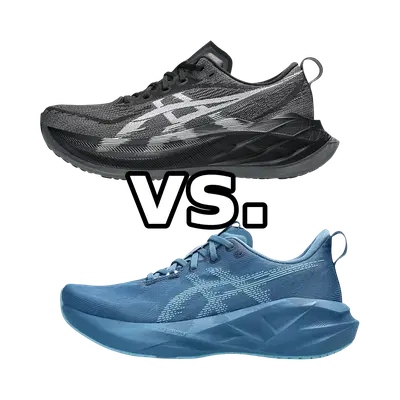
Asics Superblast 2 vs Asics Novablast 5
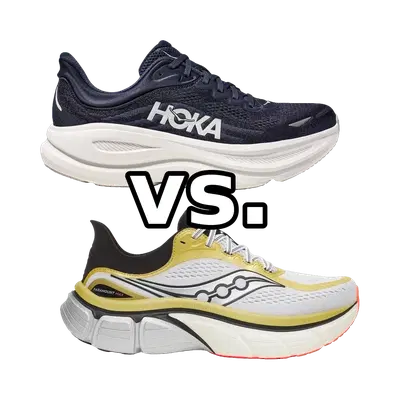
Hoka Bondi 9 vs Saucony Paramount Max
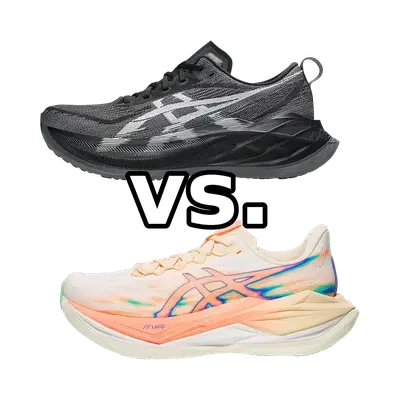
Asics Superblast 2 vs Asics Superblast 3
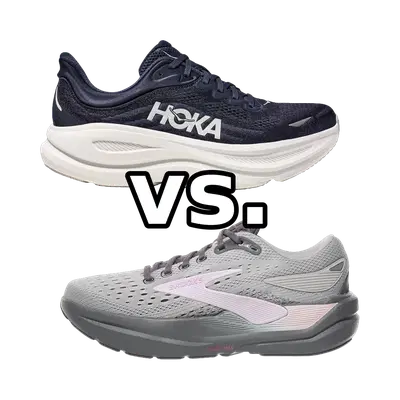
Hoka Bondi 9 vs Brooks Ghost Max 3
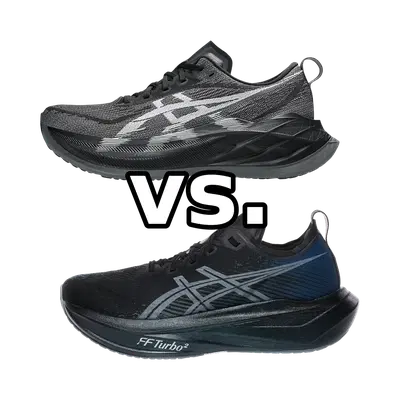
Asics Superblast 2 vs Asics Megablast
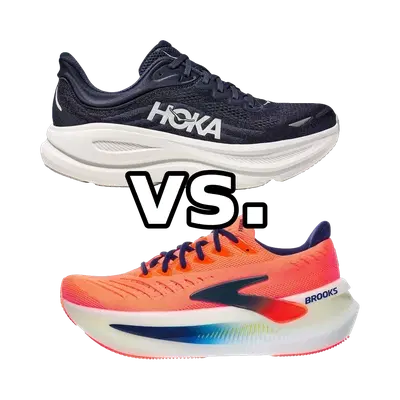
Hoka Bondi 9 vs Brooks Glycerin Max 2
© 2026 longrunshoes.ai | All rights reserved.
Use of materials from this site is permitted only with proper attribution and a link to longrunshoes.ai.