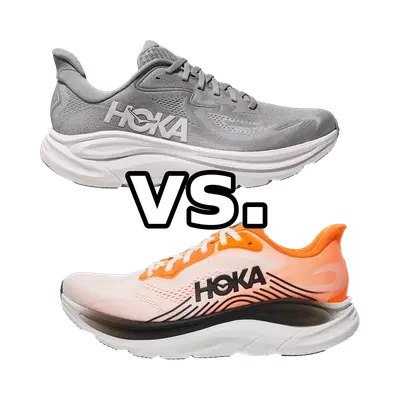
Hoka Clifton 11 vs Hoka Clifton Pro:
Which to Choose
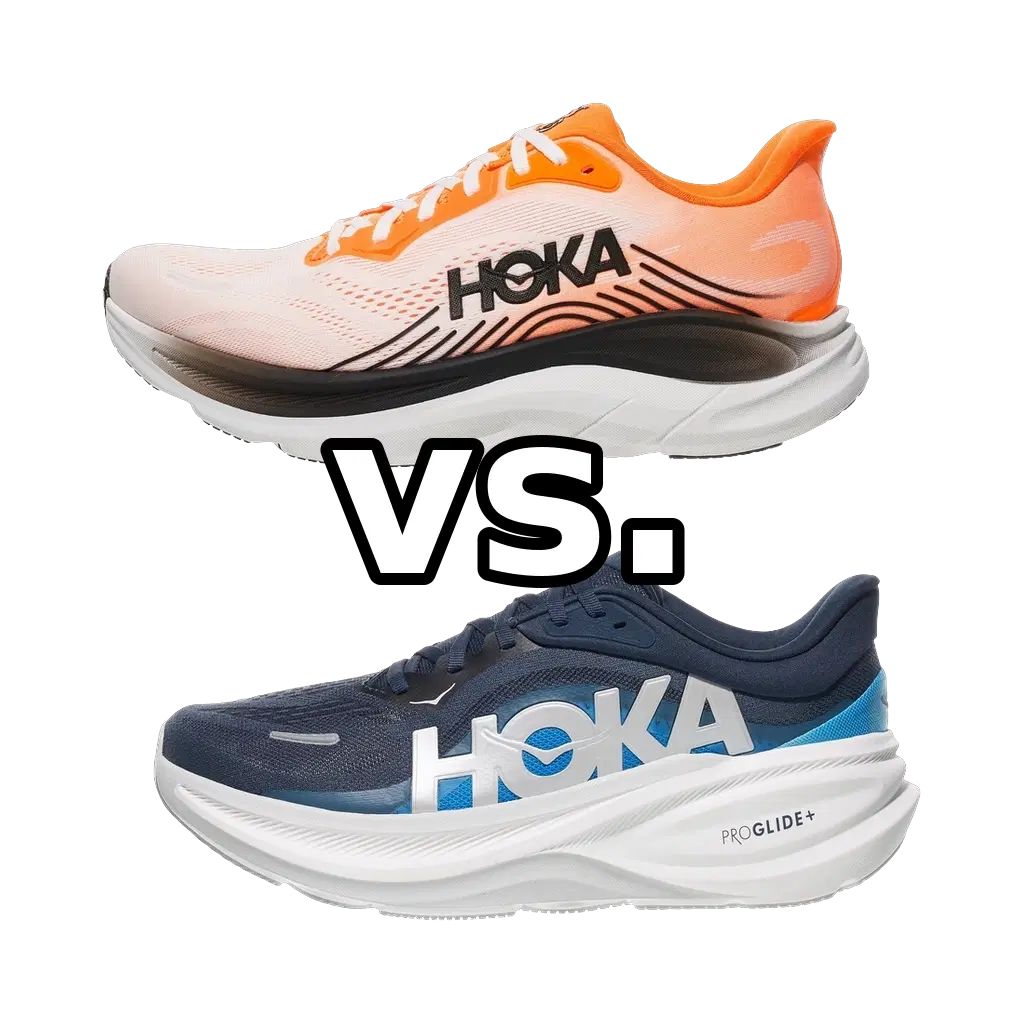
Verdict
These are the same shoe in spirit, separated by their foam. It comes down to how you run: pick the Clifton Pro if you want a livelier, springier ride that reaches into faster paces and holds its form over time, and pick the Clifton 11 if you mostly run easy and prefer a firmer, planted, dependable daily cruiser. For a runner whose miles vary in tempo, the newer Pro is the more versatile choice; for a pure easy-mileage workhorse, the 11 still does the job well.
Pace
3 of 6
Cushioning
5 of 6
Responsiveness
3 of 6
Stability
4 of 6
Drop
8 mm
Support
Neutral
Plate
None
Distances
10KHalfMarathon
Pace
4 of 6
Cushioning
5 of 6
Responsiveness
5 of 6
Stability
4 of 6
Drop
8 mm
Support
Stable Neutral
Plate
None
Distances
10KHalfMarathon
At a Glance
Hoka Clifton 11Hoka Clifton Pro
Who Should Choose Each Shoe
Choose
Hoka Clifton 11
Choose the Clifton 11 if the bulk of your week is easy and steady aerobic mileage and you want a firm, stable, endlessly predictable platform that just cruises. It's the pick for neutral runners logging daily miles at relaxed paces (roughly 5:30–6:30 min/km), for those who prefer controlled cushioning over a springy, energetic feel, and for anyone who values proven durability in a lighter-than-it-looks package over top-tier bounce.
Choose
Hoka Clifton Pro
Choose the Clifton Pro if you want one cushioned shoe that can do easy days but also come alive when you inject pace, from steady half-marathon efforts down to tempo pickups around 4:20–4:45 min/km. Its supercritical foam and more aggressive rocker suit intermediate runners with a rolling, forward stride who like protection without a soft sink-in feel — and who want a midsole that resists compression and holds its ride longer than standard EVA.
Head-to-Head
On paper these two look like siblings: both are neutral, plateless, MetaRocker-shaped trainers with a marketed 8mm drop, matching cushioning (5/6) and stability (4/6) scores, and the identical best-distance range of 10K, half, and marathon. The difference is almost entirely underfoot. The Clifton 11 runs on compression-molded EVA (CMEVA) — a firmer, controlled foam that delivers dependable, standard rebound (responsiveness 3/6) and prioritizes durability over pop. The Clifton Pro swaps in ProGlide+ supercritical EVA, a lighter, more resilient compound that feels distinctly springier off the ground (responsiveness 5/6) and holds its shape and drop better over the life of the shoe. That livelier foam widens the Pro's comfortable pace window: it's happy from about 4:45–5:45 min/km and will hold form down to roughly 4:20 min/km, whereas the 11 settles into a true easy-cruising zone of 5:30–6:30 min/km and starts to feel flat if you push much past 5:15. Stack and weight are close but not identical — the Pro sits a touch taller at 43/33mm versus the 11's 41/30mm, and weighs about 264g in a men's US 9 to the 11's roughly 258g. In practice the Pro's more aggressive rocker tips you forward eagerly, which rewards a rolling, up-tempo stride but can feel insistent at a slow shuffle; the 11's firmer, wider, more planted platform is more forgiving and predictable at genuinely relaxed paces. Neither has a plate, so neither is a true racer — but the Pro clearly stretches further toward tempo work while the 11 stays anchored in steady aerobic training.
Similar Comparisons
Asics Superblast 3 vs Hoka Clifton Pro
Asics Novablast 6 vs Hoka Clifton 11
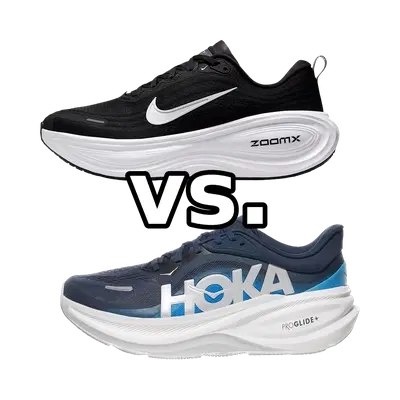
Nike Vomero Plus vs Hoka Clifton Pro
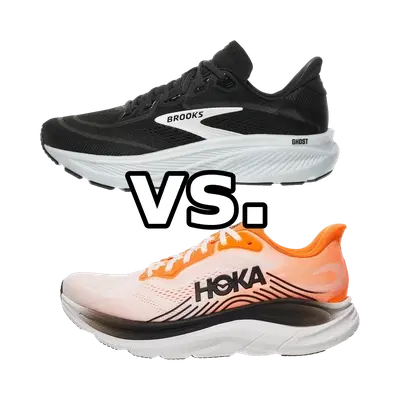
Brooks Ghost 18 vs Hoka Clifton 11
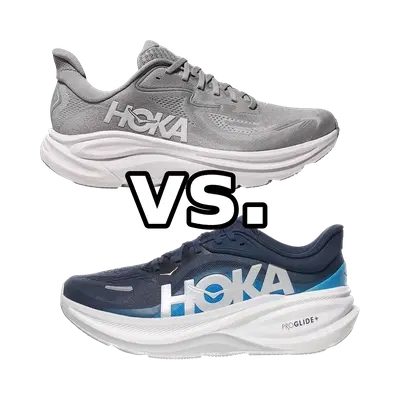
Hoka Clifton 10 vs Hoka Clifton Pro
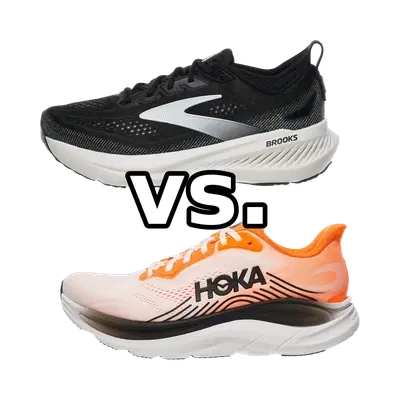
Brooks Glycerin 23 vs Hoka Clifton 11
Hoka Bondi 9 vs Hoka Clifton Pro
Mizuno Wave Serene vs Hoka Clifton 11
© 2026 longrunshoes.ai | All rights reserved.
Use of materials from this site is permitted only with proper attribution and a link to longrunshoes.ai.