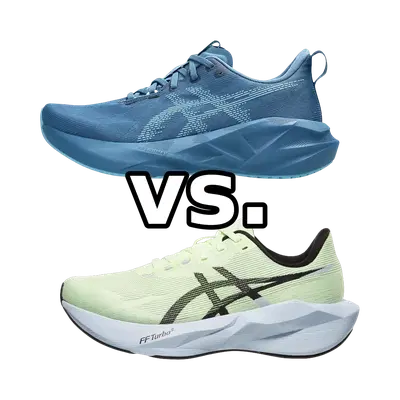
Asics Novablast 6 vs Hoka Clifton 11:
Which to Choose
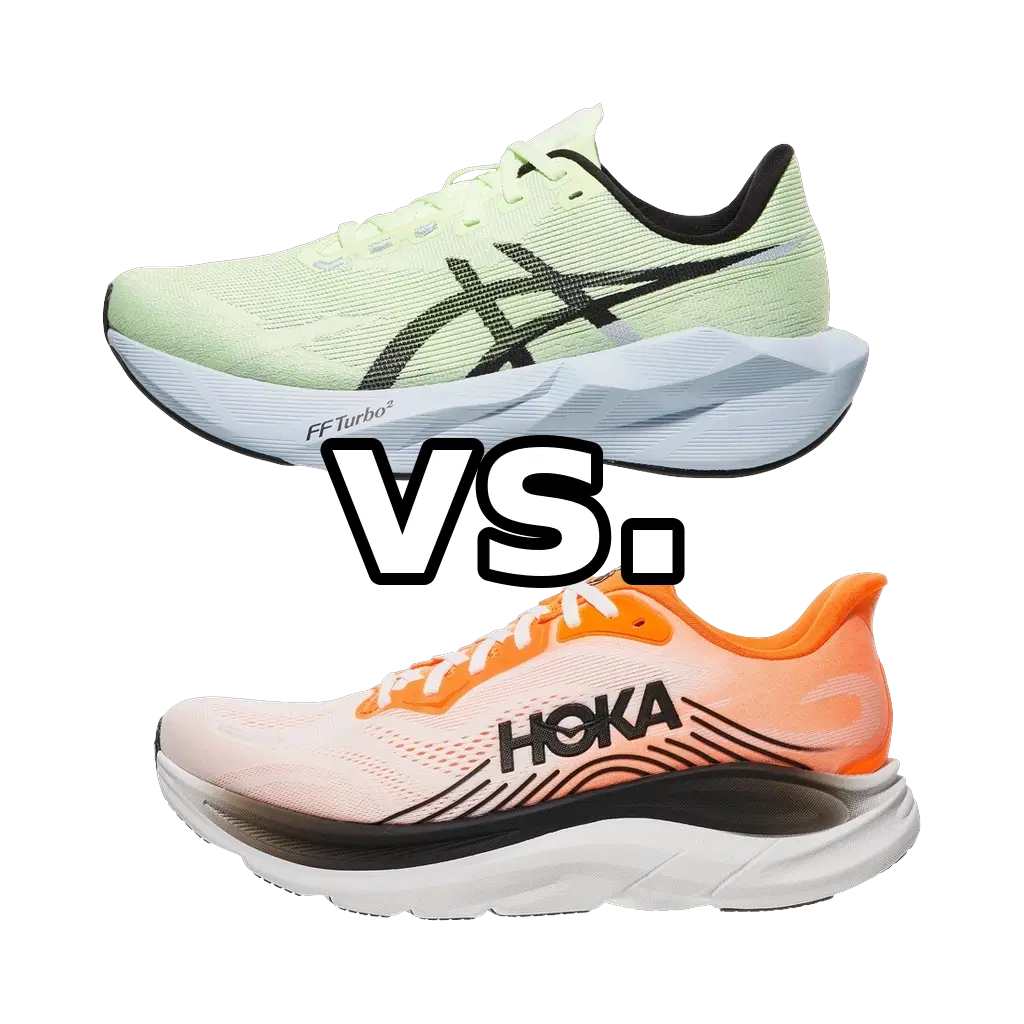
Verdict
Both are capable neutral, plateless daily trainers, so it depends on the ride you want: pick the Novablast 6 for a lighter, bouncier shoe that welcomes quicker paces and tempo work, or the Clifton 11 for a firmer, more stable, planted cruiser tuned to relaxed long miles. If you value energy return and versatility, go Novablast; if you value composure and steady protection, go Clifton.
Pace
4 of 6
Cushioning
5 of 6
Responsiveness
5 of 6
Stability
3 of 6
Drop
7 mm
Support
Neutral
Plate
None
Distances
10KHalfMarathon
Pace
3 of 6
Cushioning
5 of 6
Responsiveness
3 of 6
Stability
4 of 6
Drop
8 mm
Support
Neutral
Plate
None
Distances
10KHalfMarathon
At a Glance
Asics Novablast 6Hoka Clifton 11
Who Should Choose Each Shoe
Choose
Asics Novablast 6
Choose the Novablast 6 if you want one lively shoe that can handle easy days but still has enough spring and lightness to enjoy a tempo or steady effort, and you tend to run at moderate-to-quicker daily paces. It suits neutral runners — beginner or experienced — who value energetic bounce and a versatile ride, and who don't mind a slightly less planted feel at very slow, tired paces in exchange for that pop.
Choose
Hoka Clifton 11
Choose the Clifton 11 if your priority is calm, protective, predictable mileage — long aerobic runs and easy days at a relaxed cruising pace — over springy rebound. Its firmer foam, wider base, and rocker geometry make it the steadier, more forgiving pick for runners who want maximum joint protection and stability from a neutral shoe and rarely surge into faster efforts.
Head-to-Head
On paper the cushioning grade is identical (5/6 each) and both top out around the same distances, but they feel quite different underfoot. The Novablast 6 uses springy FF Blast Max foam with a forefoot FF Turbo Squared pod, earning a high 5/6 responsiveness and a genuine rebound kick on push-off; the Clifton 11 runs on firmer compression-molded EVA that scores a moderate 3/6, delivering reliable, protective rebound rather than pop. That difference shapes their pace zones: the Novablast is happiest at 4:30–5:30 min/km and can stretch into tempo work around 4:15–4:45, while the Clifton settles into a truly relaxed 5:30–6:30 min/km and goes flat if you push much past 5:15. Weight and geometry reinforce the split — the Novablast is lighter at 249 g with a 39 mm heel / 32 mm forefoot stack and a 7 mm drop, versus roughly 258 g and a taller 41 mm heel / 30 mm forefoot stack with an 8 mm marketed drop on the Clifton. Stability is where the Clifton pulls ahead (4/6 vs 3/6): its wide base and rocker geometry keep it planted and smooth, whereas the Novablast's taller, bouncier platform can feel a touch tippy when you're tired and shuffling at slow, flat-footed paces. In short, both cover easy miles to marathon, but the Novablast rewards a quicker cadence and uptempo variety while the Clifton prioritizes calm, dependable, protective cruising.
Similar Comparisons
Hoka Clifton 10 vs Hoka Clifton 11
Asics Novablast 6 vs Nike Pegasus 42
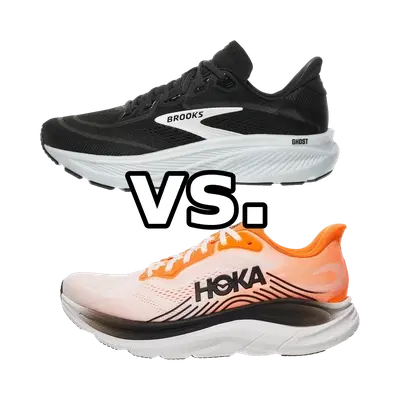
Brooks Ghost 18 vs Hoka Clifton 11
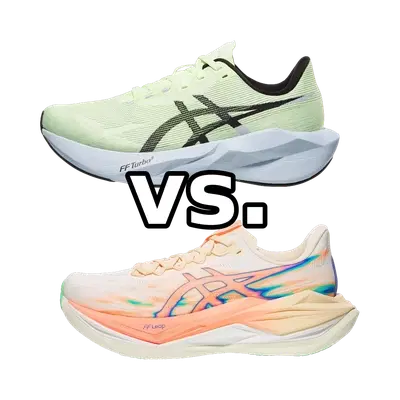
Asics Novablast 6 vs Asics Superblast 3
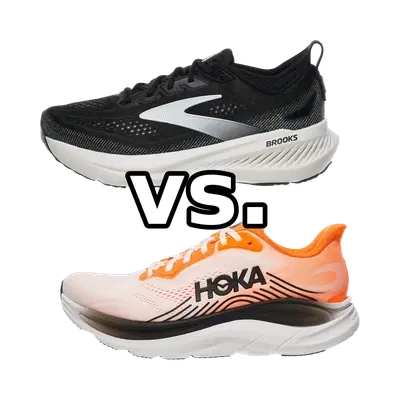
Brooks Glycerin 23 vs Hoka Clifton 11
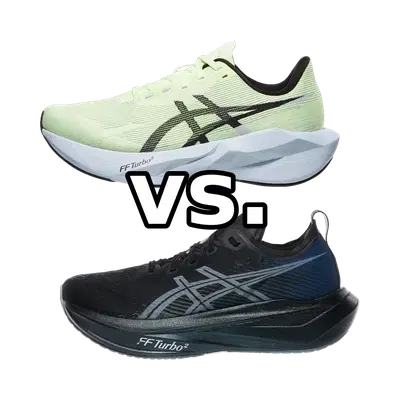
Asics Novablast 6 vs Asics Megablast
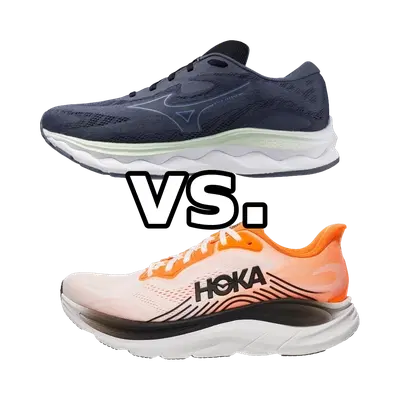
Mizuno Wave Serene vs Hoka Clifton 11
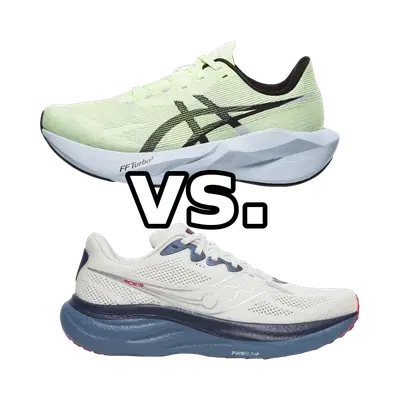
Asics Novablast 6 vs Saucony Ride 19
© 2026 longrunshoes.ai | All rights reserved.
Use of materials from this site is permitted only with proper attribution and a link to longrunshoes.ai.