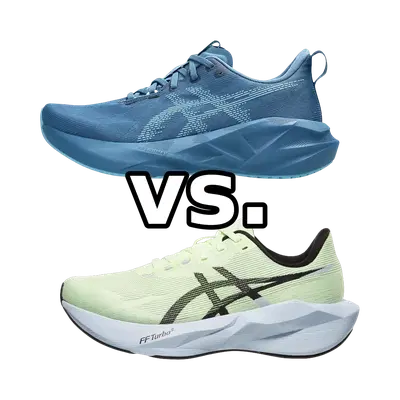
Asics Novablast 6 vs Nike Pegasus 42:
Which to Choose
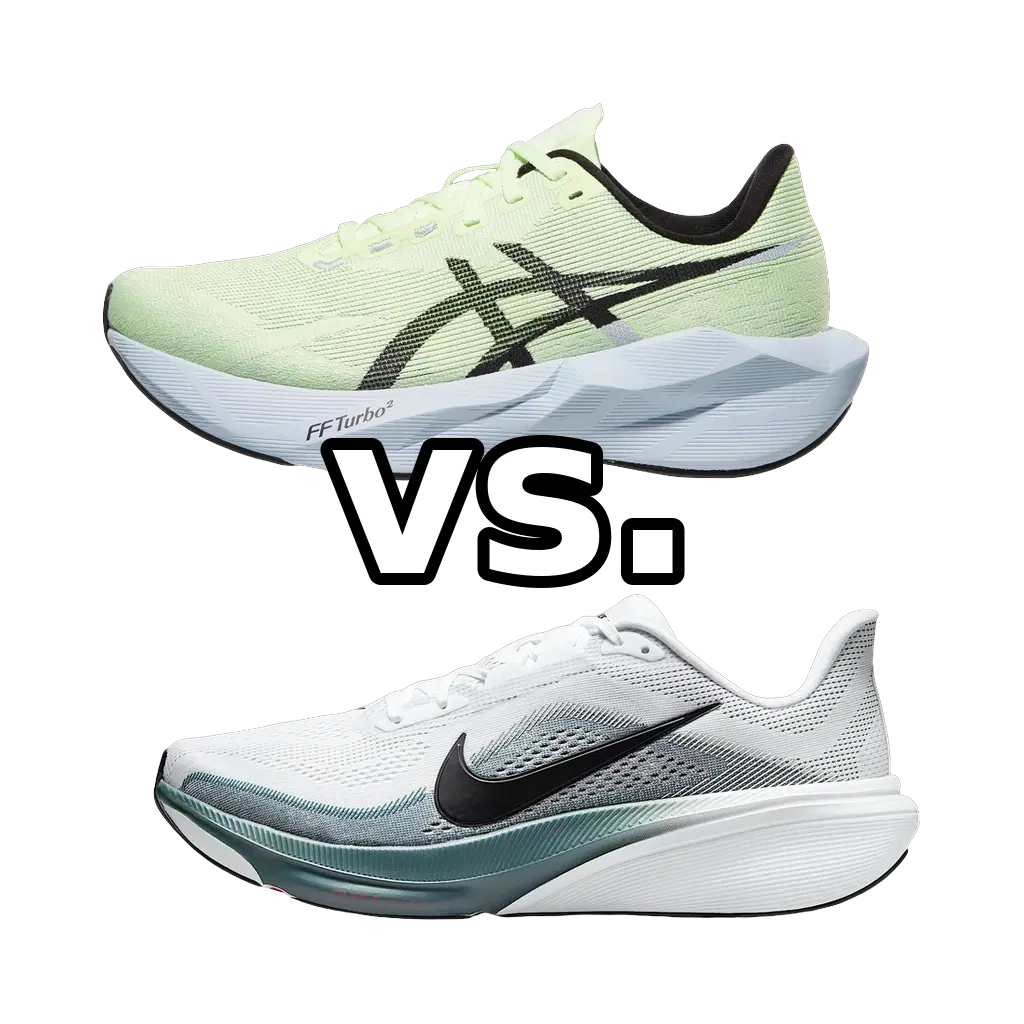
Verdict
Both are capable neutral daily trainers for 10K through marathon, so the decision is about feel and geometry, not quality. Go Novablast 6 if you want soft, springy, lighter, and lower-drop with a forefoot kick; go Pegasus 42 if you want firm, planted, heel-biased, and dependable for steady mileage. In short: a quick-cadence, bounce-loving runner should take the Novablast, while a heel striker who values a firm, stable long-run platform should take the Pegasus.
Pace
4 of 6
Cushioning
5 of 6
Responsiveness
5 of 6
Stability
3 of 6
Drop
7 mm
Support
Neutral
Plate
None
Distances
10KHalfMarathon
Pace
4 of 6
Cushioning
4 of 6
Responsiveness
4 of 6
Stability
4 of 6
Drop
14 mm
Support
Neutral
Plate
None
Distances
10KHalfMarathon
At a Glance
Asics Novablast 6Nike Pegasus 42
Who Should Choose Each Shoe
Choose
Asics Novablast 6
Pick the Novablast 6 if you want a soft, energetic ride with real forefoot bounce and a lower 7 mm drop that doesn't push you onto your heels — ideal for midfoot and forefoot strikers, runners who like a springy feel underfoot, and anyone who wants a single lighter trainer that can still handle tempo days and long runs. Its sweet spot is the half marathon, and it rewards a quicker cadence. Just know that the tall 39 mm stack trades away some low-speed steadiness, so it's best if you're not relying on the shoe to feel rock-planted when you're shuffling tired.
Choose
Nike Pegasus 42
Choose the Pegasus 42 if you're a heel striker or simply prefer a firm, planted, predictable platform for piling up easy-to-moderate miles — the steep 14 mm drop and lower 22 mm forefoot keep it connected and stable underfoot, and the ReactX-plus-Air-Zoom setup feels most at home on steady long runs and everyday training tempos around 5:00–6:00 min/km. It's the better fit for beginners building a base or experienced runners who want a durable, no-surprises workhorse rather than a soft, bouncy ride. Accept the extra weight as the price of that firm, long-haul dependability.
Head-to-Head
The clearest split is in ride character. The Novablast 6 runs on FF Blast Max foam with a forefoot FF Turbo Squared pod, giving a soft, bouncy, rebound-heavy feel that rewards a quicker cadence; the Pegasus 42 pairs firmer ReactX foam with a curved, full-length Air Zoom air unit, so it reads as firm and businesslike at slow speeds and only "pops" once you pick up the pace. Stack and geometry drive the rest: the Novablast sits taller at 39 mm heel / 32 mm forefoot versus the Pegasus's 36 mm / 22 mm, and critically the drops are very different — 7 mm on the Novablast against a steep 14 mm on the Pegasus. That 14 mm heel bias makes the Pegasus distinctly heel-strike-friendly and noticeable on every footstrike, while the Novablast's lower 7 mm offset and thicker forefoot make it more forefoot-friendly and form-neutral. The Novablast is also the lighter shoe at 249 g versus 286 g for the Pegasus (both men's US 9), a roughly 37 g gap you feel when the pace lifts. Stability is a wash on paper and a trade in practice: the Novablast's very tall stack can feel a touch tippy at slow, tired, flat-footed paces, whereas the lower-forefoot Pegasus feels more planted and connected to the ground even though neither shoe adds pronation support. Neither uses a plate, and both top out as trainers rather than racers — the Novablast's foam comes alive around 4:15–4:45 min/km for tempo work, while the Pegasus starts to feel like more shoe than you need much past 5:00–5:15 min/km. Bottom line: same job, different personalities — soft, springy, and lively versus firm, tall-heeled, and steady.
Similar Comparisons
Nike Pegasus 41 vs Nike Pegasus 42
Asics Novablast 6 vs Asics Superblast 3
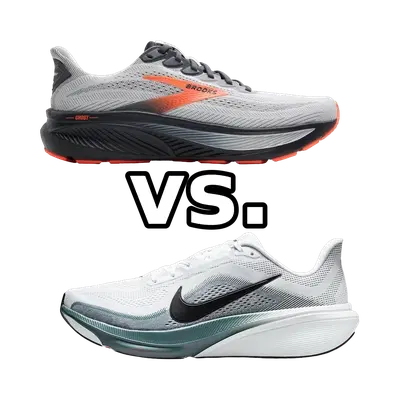
Brooks Ghost 17 vs Nike Pegasus 42
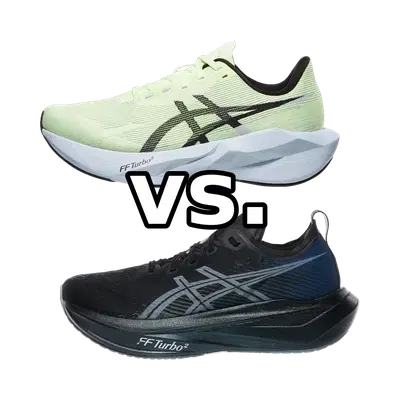
Asics Novablast 6 vs Asics Megablast
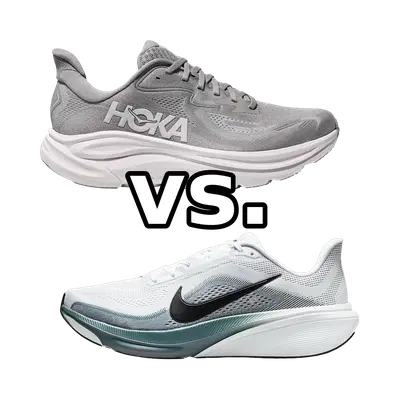
Hoka Clifton 10 vs Nike Pegasus 42
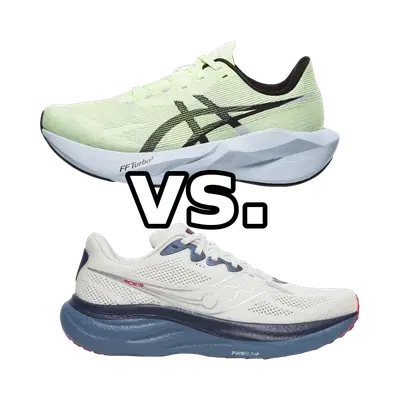
Asics Novablast 6 vs Saucony Ride 19
Nike Pegasus Premium vs Nike Pegasus 42
Nike Pegasus Plus vs Nike Pegasus 42
© 2026 longrunshoes.ai | All rights reserved.
Use of materials from this site is permitted only with proper attribution and a link to longrunshoes.ai.