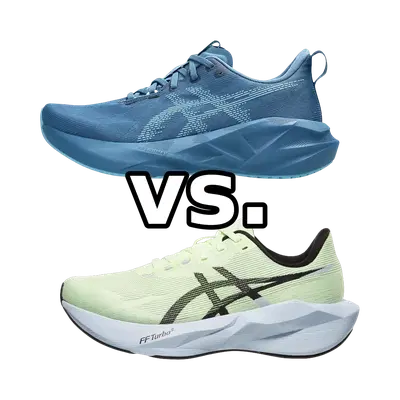
Asics Novablast 6 vs Saucony Ride 19:
Which to Choose
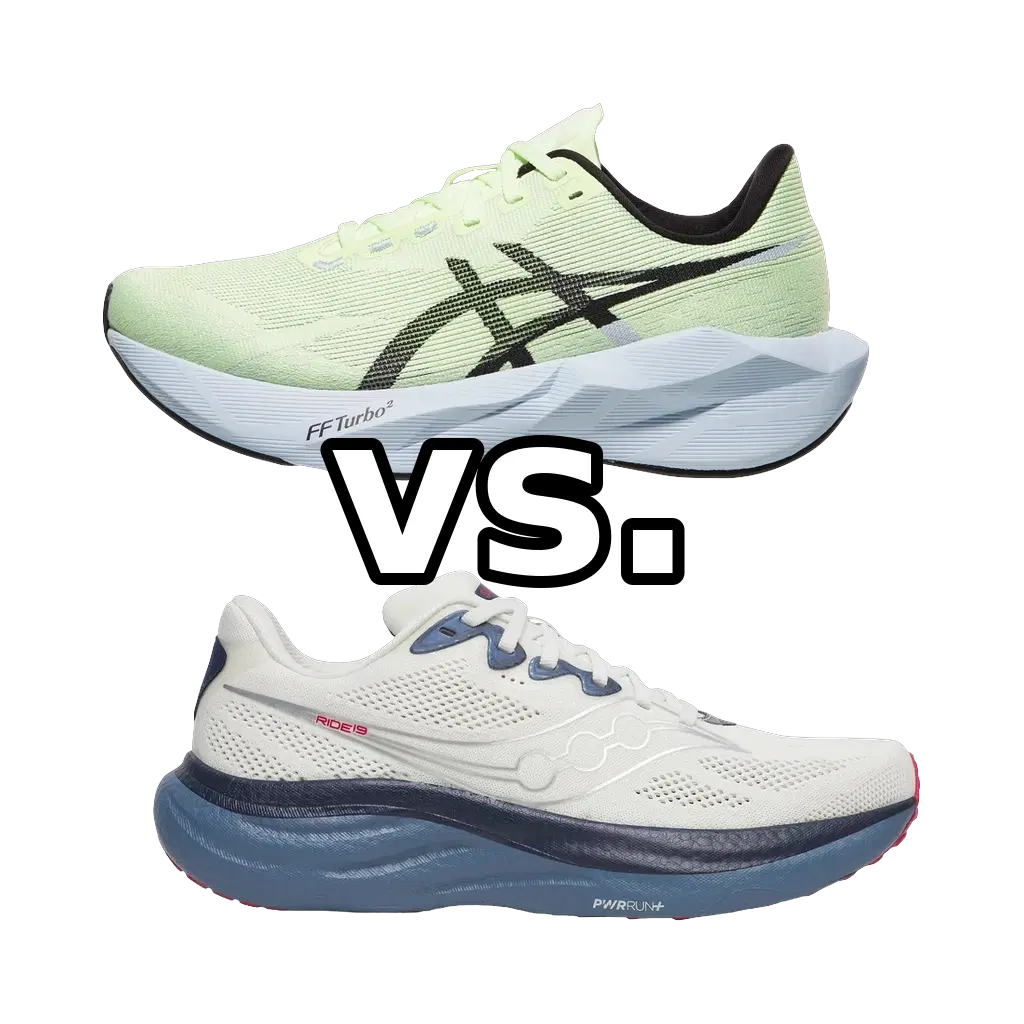
Verdict
These are close cousins, so it comes down to ride preference, not quality. Go with the Novablast 6 if you want a lighter, springier trainer that can flex into tempo work; go with the Ride 19 if you want the plusher, more stable, protection-first cruiser for easy and long miles. Fast, cadence-driven runners lean Novablast; comfort-and-mileage runners lean Ride.
Pace
4 of 6
Cushioning
5 of 6
Responsiveness
5 of 6
Stability
3 of 6
Drop
7 mm
Support
Neutral
Plate
None
Distances
10KHalfMarathon
Pace
3 of 6
Cushioning
5 of 6
Responsiveness
4 of 6
Stability
4 of 6
Drop
8 mm
Support
Neutral
Plate
None
Distances
10KHalfMarathon
At a Glance
Asics Novablast 6Saucony Ride 19
Who Should Choose Each Shoe
Choose
Asics Novablast 6
Pick the Novablast 6 if you want one shoe that covers easy days but can also handle the occasional tempo or steady session without feeling dead — its lighter build, springier foam, and forefoot rebound pod reward a quicker cadence. It's a strong fit for neutral runners, from beginners to experienced racers-in-training, who prioritize pop and versatility over maximum plushness. Just know the tall stack can feel slightly unsteady when you're shuffling along tired.
Choose
Saucony Ride 19
Choose the Ride 19 if comfort and a planted, forgiving ride matter more to you than snap — its softer eTPU platform and wider, more stable base make it the better recovery-day and long-run companion, with marathon-distance comfort as its sweet spot. It suits neutral runners logging high aerobic mileage who value protection over turnover, or beginners who want a dependable, low-drama trainer. If you routinely push the pace, though, its extra weight will hold you back rather than help.
Head-to-Head
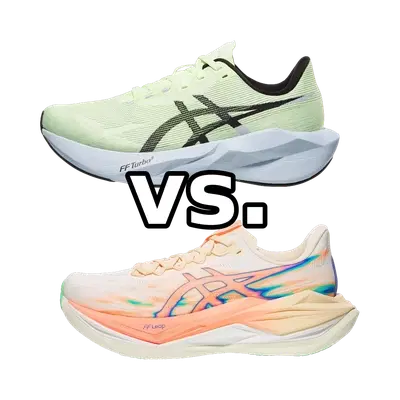
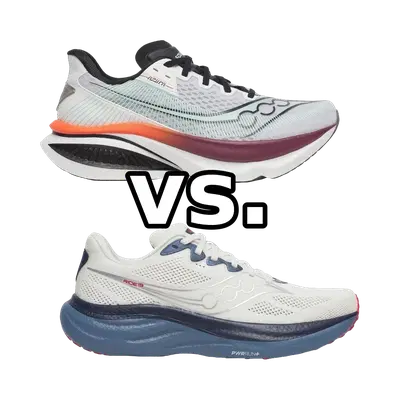
Start with what they share: both are neutral shoes with no plate, both carry tall stacks around 39 mm at the heel, and both use a bouncy superfoam rather than a firm EVA — FF Blast Max in the Novablast, PWRRUN+ eTPU in the Ride. The differences show up in weight, ride character, and stability. The Novablast 6 is the lighter shoe at 249 g (men's US 9) versus 278 g for the Ride 19, and that nearly 30 g gap is felt: the Novablast reads as springy and eager, with an extra rebound kick from its forefoot FF Turbo Squared pod, and it genuinely likes a quicker cadence and tempo work. The Ride 19 is the heavier, softer, more shock-absorbing platform — smooth and forgiving through the transition, happiest rolling along at conversational pace, and it starts to feel heavy and flat when you push hard. Geometry is close but not identical: the Novablast runs a 7 mm drop on a 39/32 mm stack, while the Ride sits at 8 mm on a slightly lower 30 mm forefoot, giving it a touch more heel-to-toe ramp. The trade-off is stability. The Ride 19's wide, cushioned base feels more planted (stability 4/6), whereas the Novablast's taller, bouncier build is a bit tippy at slow, tired, flat-footed paces (stability 3/6). In short: the Novablast is the more responsive, versatile, up-tempo-capable trainer, and the Ride is the plusher, steadier, protection-first long-mileage cruiser.

© 2026 longrunshoes.ai | All rights reserved.
Use of materials from this site is permitted only with proper attribution and a link to longrunshoes.ai.