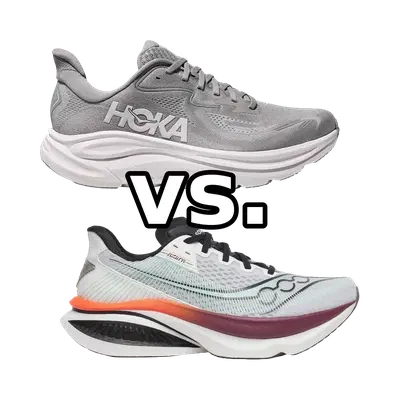
Saucony Endorphin Azura vs Saucony Ride 19:
Which to Choose
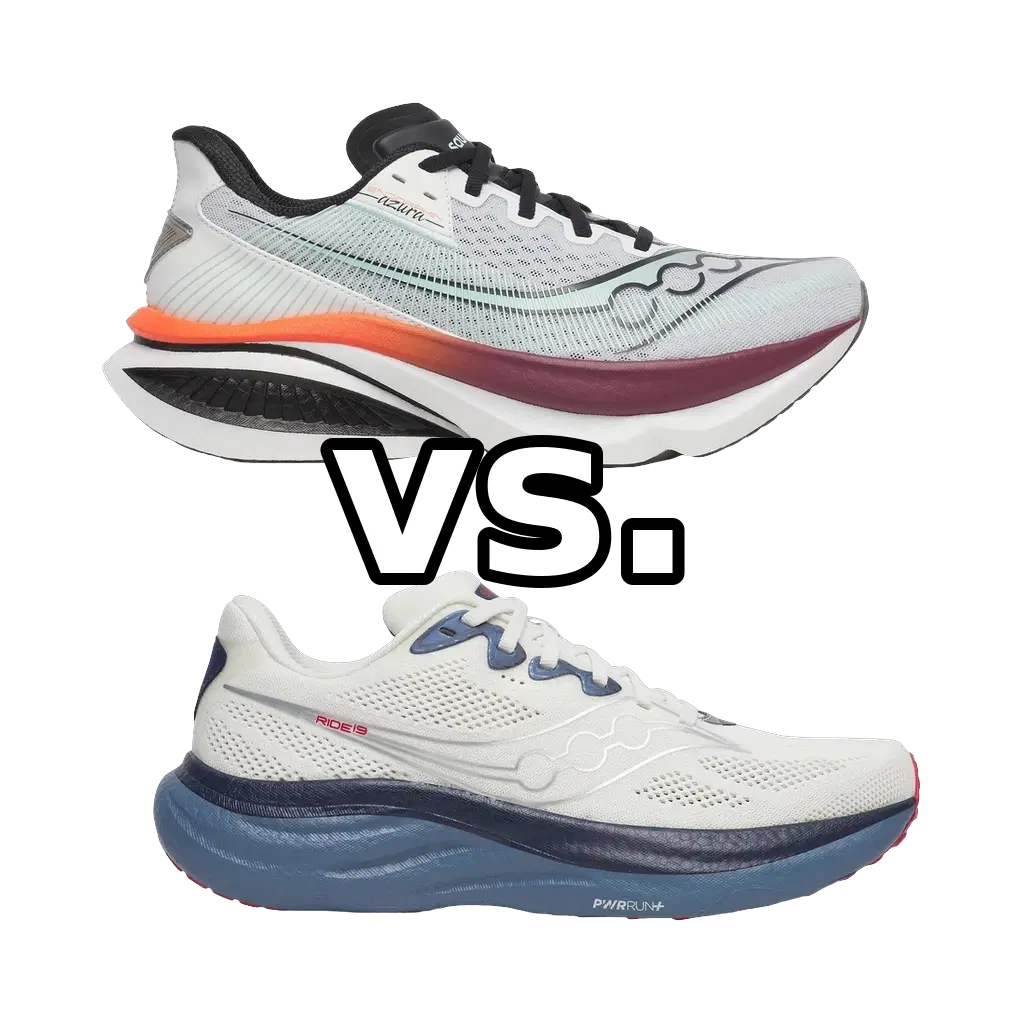
Verdict
It comes down to how you run most of the week. If you want a lighter, springier shoe that thrives on tempo work and faster long runs — and you're comfortable with a slightly tippy feel when crawling along — the Endorphin Azura is the pick. If you want a heavier, more stable, maximally cushioned trainer for easy and long miles where comfort matters more than snap, go with the Ride 19. Both are neutral, plateless, 8mm-drop shoes that span 10K to marathon; the Azura simply leans toward speed and the Ride 19 toward daily-mileage protection.
Pace
4 of 6
Cushioning
5 of 6
Responsiveness
5 of 6
Stability
3 of 6
Drop
8 mm
Support
Neutral
Plate
None
Distances
10KHalfMarathon
Pace
3 of 6
Cushioning
5 of 6
Responsiveness
4 of 6
Stability
4 of 6
Drop
8 mm
Support
Neutral
Plate
None
Distances
10KHalfMarathon
At a Glance
Saucony Endorphin AzuraSaucony Ride 19
Who Should Choose Each Shoe
Choose
Saucony Endorphin Azura
Choose the Endorphin Azura if you're an intermediate-to-experienced neutral runner who wants one shoe for steady miles plus tempo runs, progressions, and long efforts at a purposeful pace, without committing to a rigid carbon racer. Its lighter build and springy PEBA make it the better pick for anyone who values a responsive, energetic ride and races or trains around the 10K–half range. Just be aware the tall, soft stack feels a little unsettled at very slow jogging speeds, so it's less ideal if most of your running is genuinely easy.
Choose
Saucony Ride 19
Choose the Ride 19 if you're a neutral runner — beginner or seasoned — who mainly logs easy days, recovery runs, steady aerobic miles, and long runs, and prioritizes plush, dependable protection over turnover. Its wider, more stable base and shock-absorbing eTPU make it the more planted, forgiving choice for high weekly mileage and marathon-distance comfort. It's the better fit if you want a reliable everyday workhorse rather than a shoe that pushes you to run fast.
Head-to-Head
The clearest split is the midsole foam and what it does underfoot. The Azura rides on a full PWRRUN PB (PEBA) superfoam that feels soft yet distinctly lively, with a springy rebound that rewards leaning into a faster gear — it rates a 5/6 for responsiveness and 4/6 for pace. The Ride 19 uses PWRRUN+ eTPU, which lands soft-but-not-mushy and offers a mild, above-average bounce (4/6 responsiveness, 3/6 pace), but it's tuned for comfort over snap and starts to feel heavy and dead when you press hard. Weight underlines this: the Azura is 241g in a men's US9 versus 278g for the Ride 19 — a meaningful ~37g gap you'll notice on faster efforts. Both share an 8mm drop and both sit on a tall, cushioned platform (the Azura's 41mm heel / 33mm forefoot stack is a touch taller than the Ride's roughly 39mm/30mm), so protection is high either way, but the Azura's stack is deliberately built to move quickly while the Ride's is built to absorb and cruise. Stability is where the Ride edges ahead: its wide, planted base earns a 4/6, whereas the Azura's tall, soft PEBA stack rates 3/6 and can feel slightly tippy at very slow jogging speeds, only settling in once you're moving with purpose. Their optimal paces reflect the difference too — the Azura is happiest around 4:30–5:15 min/km and will drop to roughly 4:15, while the Ride 19 cruises at 4:45–5:30 and tops out closer to 4:30–4:45. Both cover 10K, half, and marathon, but their sweet spots differ: the Azura peaks as a half-marathon and tempo/progression tool, the Ride 19 as a long-run and marathon-comfort trainer for easy and aerobic miles.
Similar Comparisons
Saucony Ride 18 vs Saucony Ride 19
Adidas Adizero Evo SL vs Saucony Endorphin Azura
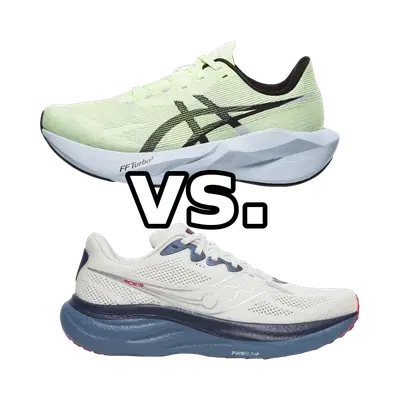
Asics Novablast 6 vs Saucony Ride 19
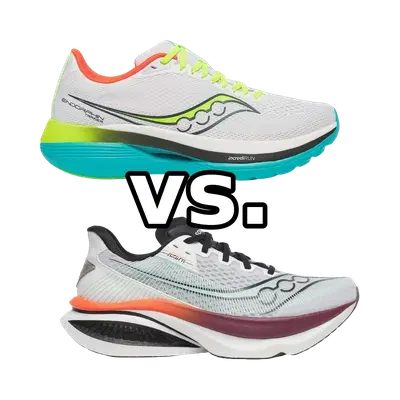
Saucony Endorphin Trainer vs Saucony Endorphin Azura
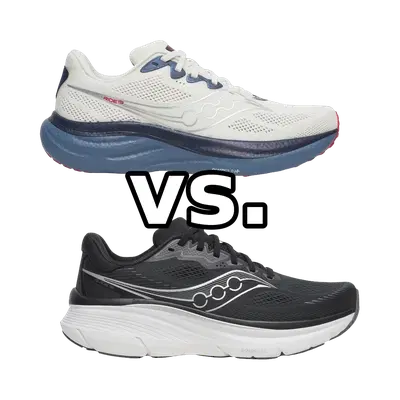
Saucony Ride 19 vs Saucony Guide 19
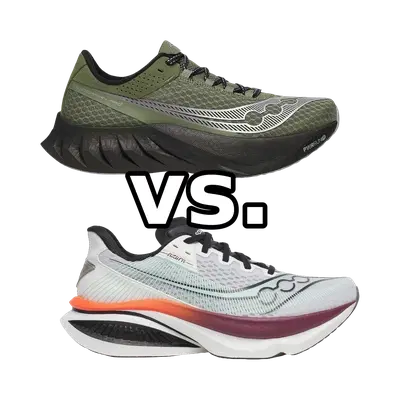
Saucony Endorphin Pro 4 vs Saucony Endorphin Azura
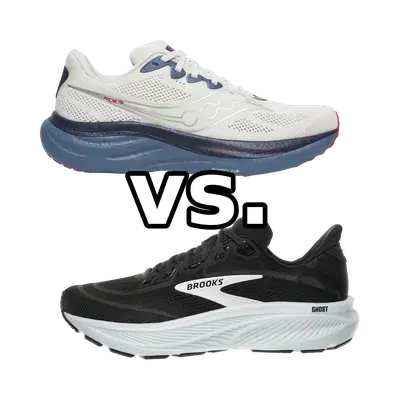
Saucony Ride 19 vs Brooks Ghost 18
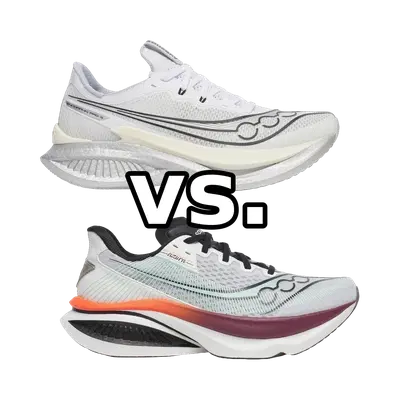
Saucony Endorphin Pro 5 vs Saucony Endorphin Azura
© 2026 longrunshoes.ai | All rights reserved.
Use of materials from this site is permitted only with proper attribution and a link to longrunshoes.ai.