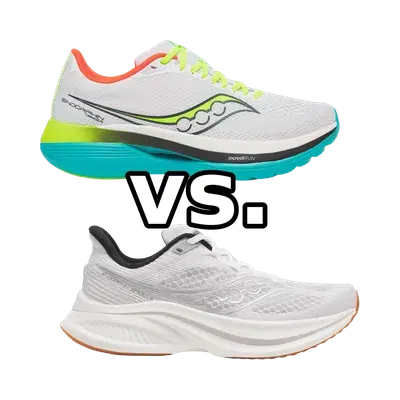
Saucony Endorphin Trainer vs Saucony Endorphin Azura:
Which to Choose
Verdict
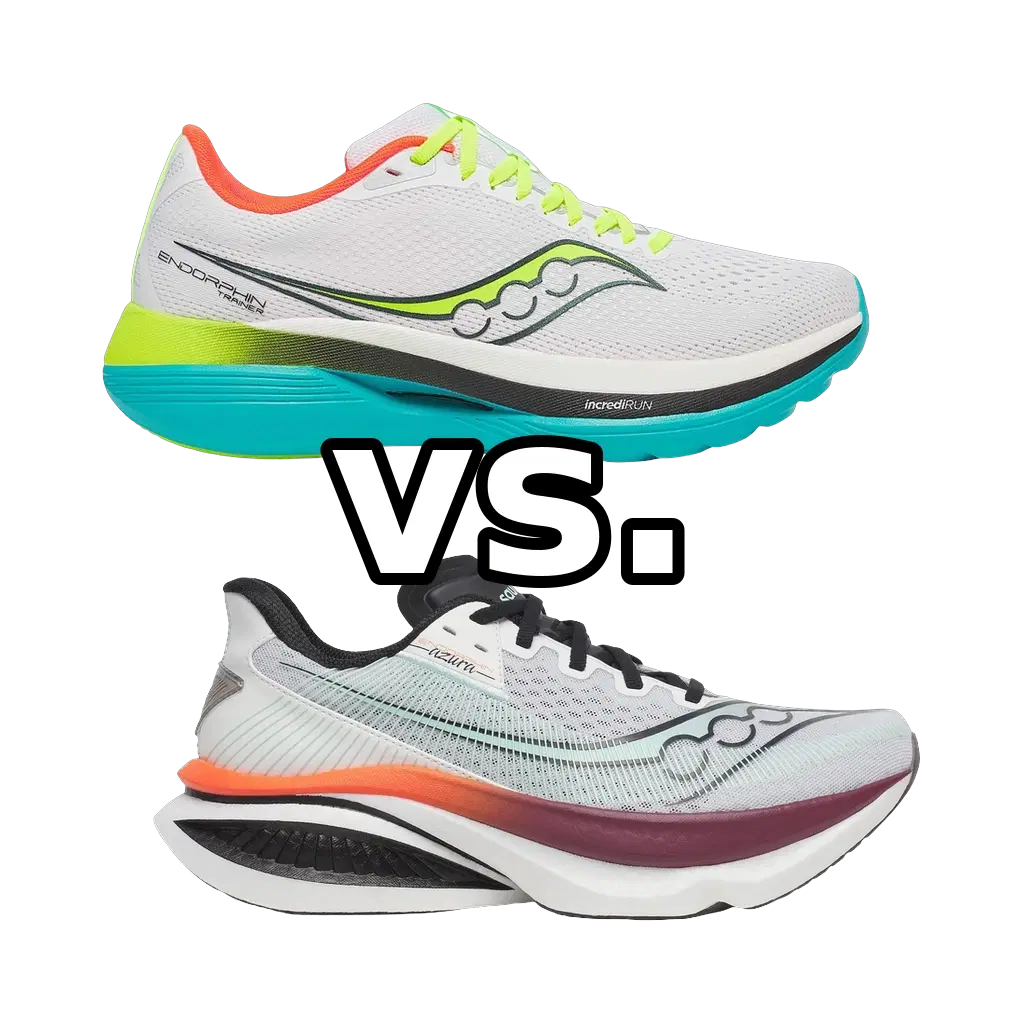
It genuinely depends — but on one clear axis: your paces and how planted you want to feel. Go with the Trainer if your running is mostly steady and easy and you value cushioned comfort and a secure, stable base; go with the Azura if you want a lighter, faster-leaning one-shoe quiver that rewards tempo and progression work. Because they share foam, drop, and cushioning level, this is a choice of character and use case, not a gap in quality.
Pace
3 of 6
Cushioning
5 of 6
Responsiveness
5 of 6
Stability
4 of 6
Drop
8 mm
Support
Stable Neutral
Plate
None
Distances
10KHalfMarathon
Pace
4 of 6
Cushioning
5 of 6
Responsiveness
5 of 6
Stability
3 of 6
Drop
8 mm
Support
Neutral
Plate
None
Distances
10KHalfMarathon
At a Glance
Saucony Endorphin TrainerSaucony Endorphin Azura
Who Should Choose Each Shoe
Choose
Saucony Endorphin Trainer
Choose the Endorphin Trainer if most of your week is steady daily miles and long runs at easy-to-moderate effort, and you'd rather have plush, forgiving cushioning and a secure, planted landing than raw speed. It's a strong pick for base-building, for runners who want a comfortable marathon-day cruiser, and for anyone who feels a bit wobbly on tall soft stacks and wants the extra security of that wide, winged base. If you rarely dip into genuinely fast paces, its comfort-first tuning will suit you better.
Choose
Saucony Endorphin Azura
Choose the Endorphin Azura if you want one neutral shoe to cover most of your training — easy miles, uptempo days, progressions, and long runs — and you run at quicker paces where the lighter, springier ride can shine. It's best for intermediate to experienced runners who like a soft-but-lively feel and don't want a rigid carbon racer, and who spend enough time at pace that the shoe's slightly tippy slow-jog manners won't bother them. If you need firm pronation control or run almost exclusively very slowly, look elsewhere.
Head-to-Head
On paper these two look almost identical — same PEBA foam family, same 8mm drop, the same high cushioning and responsiveness scores, the same best distances — but they're tuned for different runners. The Azura is the quicker, more versatile of the pair: its optimal zone sits around 4:30–5:15 min/km and it stays effective down to roughly 4:15 min/km, with the half marathon as its true sweet spot and tempo and progression work where it feels most at home. The Trainer is pitched slower and comfier, happiest at 5:15–6:00 min/km with a fastest usable window around 4:50–5:15 before the plush stack starts to feel vague and slappy; its heart is long, steady base miles and marathon-day comfort rather than uptempo efforts. Stability is the other real divergence: the Trainer's wide, winged base makes it the more planted, secure-landing shoe (stable-neutral), while the Azura runs as a straight neutral shoe that feels a touch tippy at very slow jogging speeds and only settles once you're moving with purpose. The Azura is also the lighter, nimbler build at 241g in a men's US 9, where the Trainer is the more substantial, max-comfort platform. In short, the Trainer prioritizes cushioned security and easy-day comfort; the Azura trades a little of that planted feel for lower weight and a livelier, faster-leaning ride.
Similar Comparisons
Hoka Clifton 10 vs Saucony Endorphin Azura
Adidas Adizero Evo SL vs Saucony Endorphin Azura
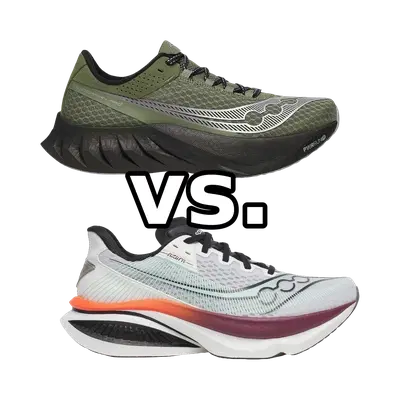
Saucony Endorphin Pro 4 vs Saucony Endorphin Azura
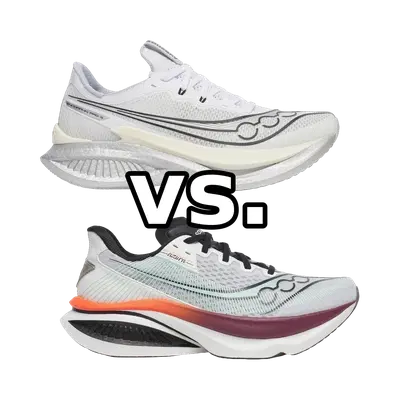
Saucony Endorphin Pro 5 vs Saucony Endorphin Azura
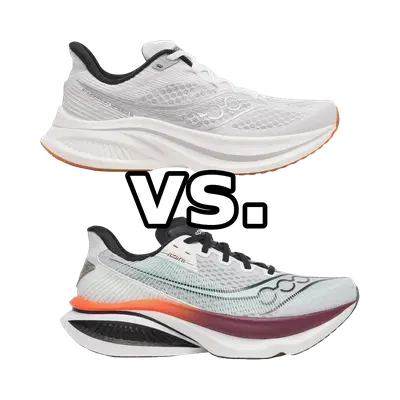
Saucony Endorphin Speed 5 vs Saucony Endorphin Azura
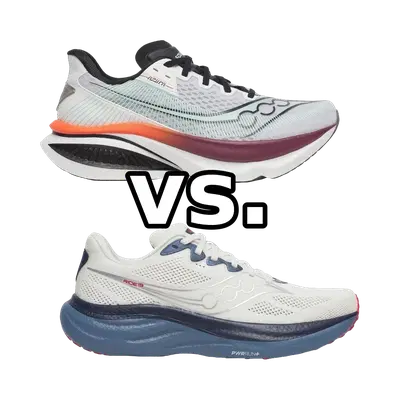
Saucony Endorphin Azura vs Saucony Ride 19
© 2026 longrunshoes.ai | All rights reserved.
Use of materials from this site is permitted only with proper attribution and a link to longrunshoes.ai.