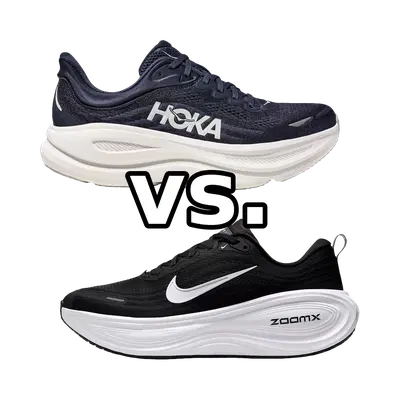
Hoka Bondi 9 vs Hoka Clifton 11:
Which to Choose
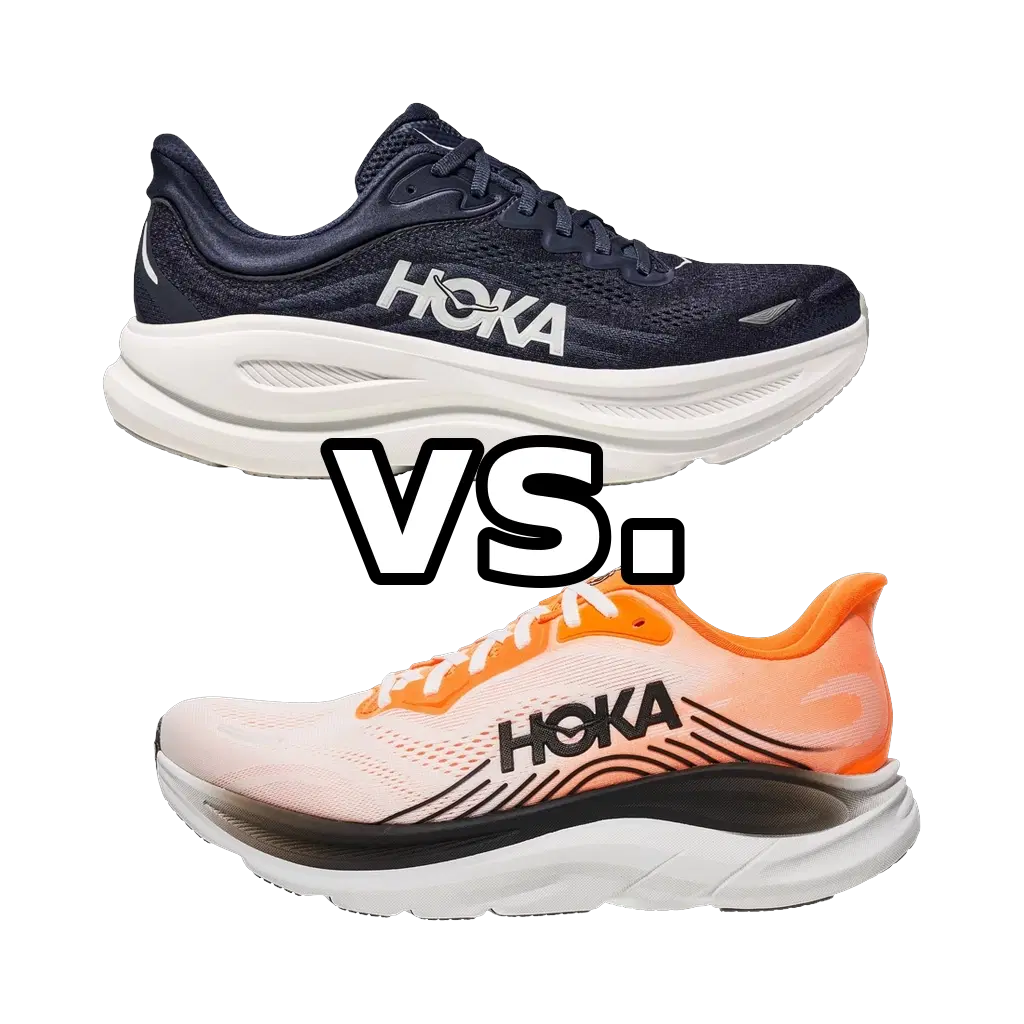
Verdict
It genuinely depends on how you want your daily miles to feel. Go Bondi 9 if you want the plushest, most protective, most planted ride and mostly run easy — it's a specialist in soft, low-impact cushioning. Go Clifton 11 if you want one lighter, firmer, more adaptable shoe that handles everything from easy days to marathon-distance long runs without feeling like overkill. Max protection points to the Bondi; everyday versatility points to the Clifton.
Pace
2 of 6
Cushioning
6 of 6
Responsiveness
3 of 6
Stability
5 of 6
Drop
5 mm
Support
Stable Neutral
Plate
None
Distances
10KHalf
Pace
3 of 6
Cushioning
5 of 6
Responsiveness
3 of 6
Stability
4 of 6
Drop
8 mm
Support
Neutral
Plate
None
Distances
10KHalfMarathon
At a Glance
Hoka Bondi 9Hoka Clifton 11
Who Should Choose Each Shoe
Choose
Hoka Bondi 9
Pick the Bondi 9 if your priority is maximum protection underfoot — heavier runners, beginners building volume, and anyone whose legs need the softest, most forgiving landing on easy days, recovery runs, and long slow miles. Its extra forefoot stack, plush supercritical EVA, and wider, more stable platform make it the safer bet if joint comfort and a planted feel matter more than pace. Just accept the trade-off: it's the heavier shoe and it goes dull when you speed up, so it's not the one for tempo work.
Choose
Hoka Clifton 11
Choose the Clifton 11 if you want one lighter, more versatile shoe for the bulk of your weekly mileage rather than a dedicated recovery cushion. Its firmer, more controlled CMEVA and lower weight make it better across a wider range — easy runs, steady aerobic training, the occasional strides, and long efforts all the way to the marathon. It's the better pick for a neutral runner who values a composed, predictable daily trainer over the deepest, softest possible landing.
Head-to-Head
These two share a lot of DNA — no plate, an EVA midsole, a wide planted base, and a forward rocker — but they aim at different ends of the cushioned-trainer spectrum. The Bondi 9 carries more foam, with roughly 43mm of stack at the heel and 38mm at the forefoot, and it uses a supercritical EVA that lands soft and plush; the Clifton 11 sits a touch lower at about 41mm heel and 30mm forefoot and runs a firmer, more controlled CMEVA that protects without the sink-in feel. That forefoot gap also drives the geometry difference: the Bondi runs a lower 5mm drop, while the Clifton uses a marketed 8mm ramp that tips you a little more toward midfoot through the transition. Weight is the other clear separator — the Bondi comes in around 297g in a men's US 9 versus roughly 258g for the Clifton, and you feel that on the foot. Neither is responsive in a bouncy, springy sense (both sit at 3/6), but the lighter, firmer Clifton holds a cruising rhythm and short pickups better, whereas the Bondi's softer foam feels muted and heavy once you try to push. Stability leans slightly to the Bondi (5/6, stable-neutral) thanks to its broader, more sidewalled platform, while the Clifton is above-average-stable for a true neutral shoe (4/6). Use case follows directly: the Bondi is happiest on easy 10Ks and steady long runs at relaxed aerobic paces, while the Clifton stretches from 10K through the half and up to marathon distance as a genuine do-everything trainer.
Similar Comparisons
Hoka Clifton 10 vs Hoka Clifton 11
Hoka Bondi 9 vs Asics Gel-Nimbus 28
Asics Novablast 6 vs Hoka Clifton 11
Hoka Bondi 9 vs Saucony Paramount Max
Brooks Ghost 18 vs Hoka Clifton 11
Hoka Bondi 9 vs Brooks Ghost Max 3
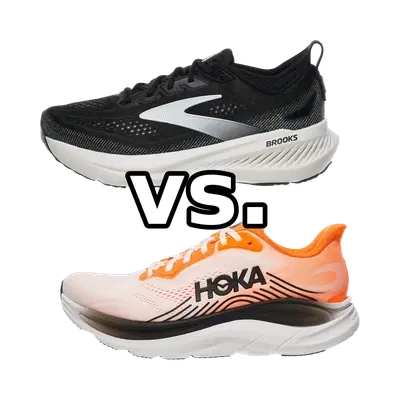
Brooks Glycerin 23 vs Hoka Clifton 11
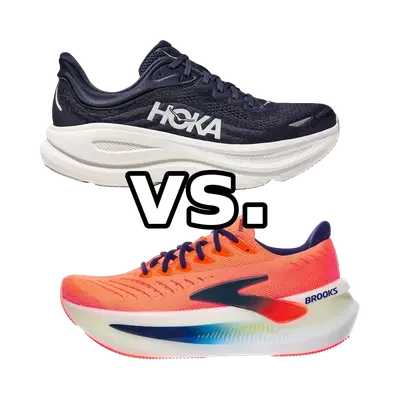
Hoka Bondi 9 vs Brooks Glycerin Max 2
© 2026 longrunshoes.ai | All rights reserved.
Use of materials from this site is permitted only with proper attribution and a link to longrunshoes.ai.