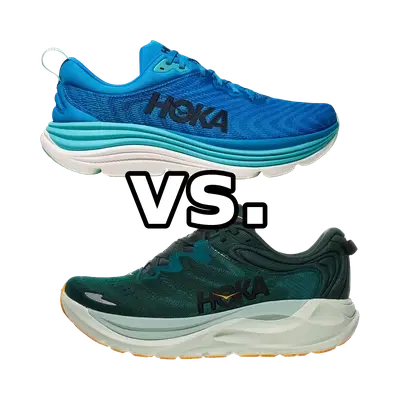
Hoka Gaviota 5 vs Hoka Arahi 8:
Which to Choose
Verdict
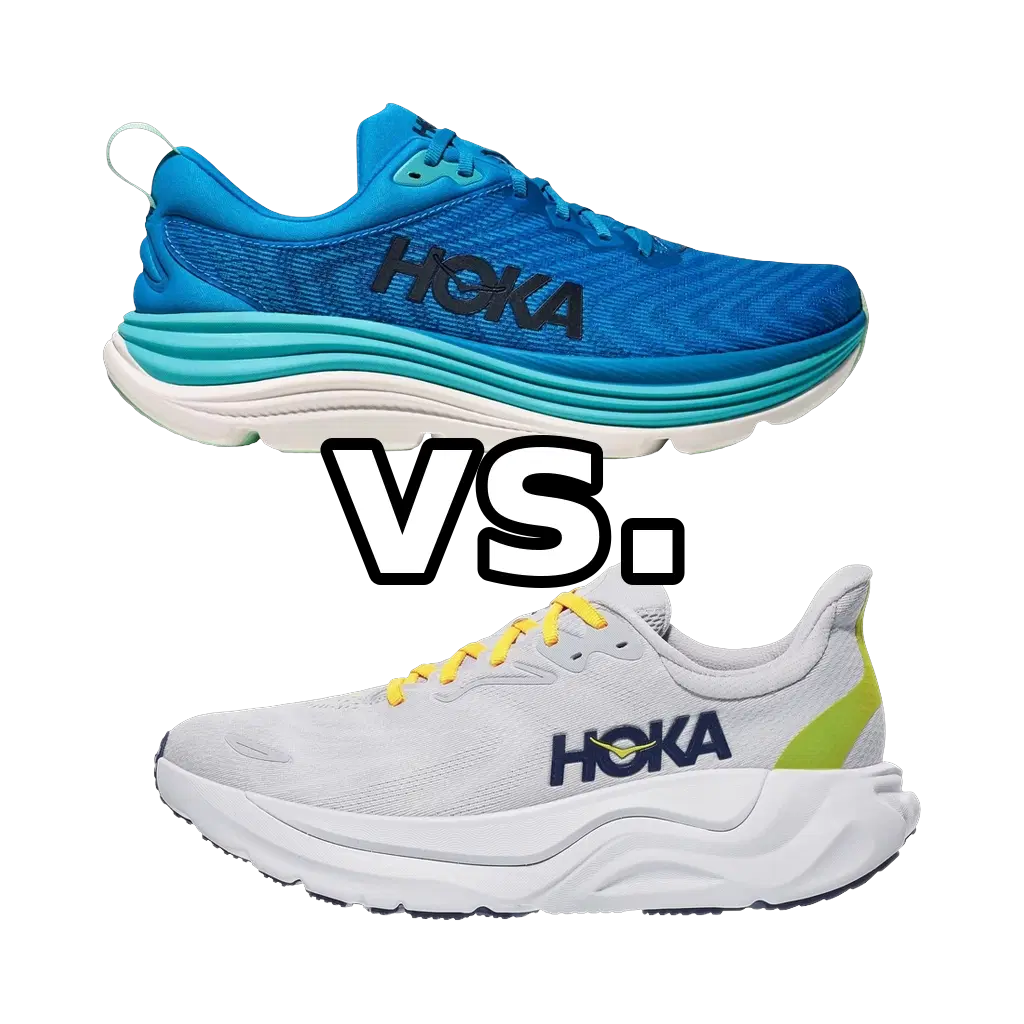
Both are excellent max-stability, plate-free trainers with the same distance range, so this comes down to how much shoe you want and how you land. Go Gaviota 5 for maximum cushioning, a wide cradling base, and a lower-drop plush ride — ideal for heavier runners and long, easy miles. Go Arahi 8 if you want lighter, firmer, higher-drop guidance that stays out of the way and handles steady daily volume without feeling clunky.
Pace
3 of 6
Cushioning
6 of 6
Responsiveness
3 of 6
Stability
6 of 6
Drop
6 mm
Support
Stability
Plate
None
Distances
10KHalfMarathon
Pace
3 of 6
Cushioning
4 of 6
Responsiveness
3 of 6
Stability
6 of 6
Drop
11 mm
Support
Stability
Plate
None
Distances
10KHalfMarathon
At a Glance
Hoka Gaviota 5Hoka Arahi 8
Who Should Choose Each Shoe
Choose
Hoka Gaviota 5
Choose the Gaviota 5 if protection and support are your top priorities and you don't mind a heavier shoe to get them — it's the natural pick for heavier runners, stronger overpronators, and anyone who wants legs cushioned on long steady efforts and recovery days. Its plush, wide, deeply padded platform and lower 6mm drop suit runners who land midfoot or heel and want to sink into the foam. If your runs are unhurried long miles where comfort beats snappiness, this is the more forgiving of the two.
Choose
Hoka Arahi 8
Choose the Arahi 8 if you're a heel striker who wants structured support without the weight and bulk of a maximal shoe — it's the leaner, more nimble stability trainer for daily-mileage runners chasing consistent, injury-free volume. Its firmer, moderate-plus cushioning and higher measured 11mm drop reward runners who want a planted, guided ride they can nudge toward a steady tempo. If the Gaviota feels like too much shoe, or you prefer firm and controlled over soft and cradling, the Arahi is the better fit — just note it's a touch too firm for pure recovery jogging.
Head-to-Head
Start with the common ground: identical stability rating (6/6), identical responsiveness (medium, 3/6, no plate), identical best distances, and the same H-Frame structure that guides the foot without a firm medial post. The differences are about mass, cushioning, and geometry. The Gaviota 5 is the heavier of the two — roughly 299g versus about 259g in a men's US 9 — and it earns that weight with maximal cushioning (6/6) on a broad, ultra-wide base that lets the foot sink in for a plush, planted, deeply protective ride. The Arahi 8 carries less foam (cushioning 4/6, moderate-plus) on a more compact platform, and it reads as slightly firmer and more workmanlike underfoot — controlled and predictable rather than pillowy. Drop is the other clear split: the Gaviota runs a 6mm heel-to-toe offset for a mild, midfoot-and-heel-friendly feel, while the Arahi's measured 11mm offset (Hoka markets it as 8mm) tips it distinctly toward heel strikers. Neither shoe wants to go fast — both run out of rebound when you push the pace — but the lighter, firmer Arahi feels marginally more willing to pick up a steady tempo, whereas the Gaviota's softer, more substantial build is happiest at a relaxed, rockered cruise. In short: same mission, two different intensities of it — Gaviota for maximum cushion and cradle, Arahi for lighter, firmer, higher-drop guidance.
Similar Comparisons

Hoka Clifton 10 vs Hoka Arahi 8
Hoka Gaviota 5 vs Mizuno Wave Inspire 22
Hoka Arahi 7 vs Hoka Arahi 8
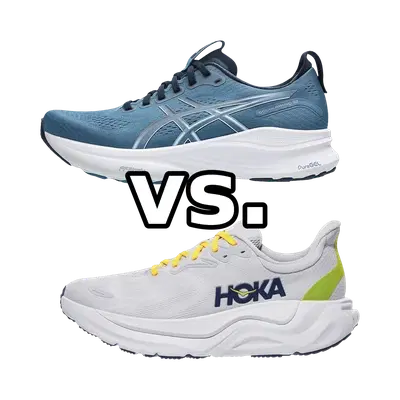
Asics Gel-Kayano 32 vs Hoka Arahi 8
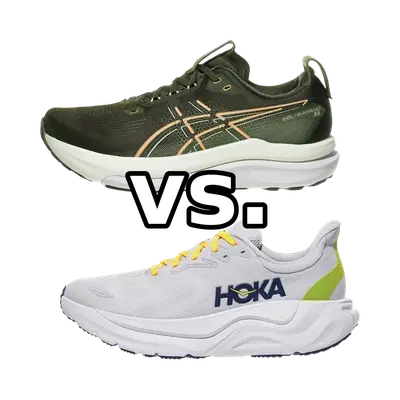
Asics Gel-Kayano 33 vs Hoka Arahi 8

Hoka Bondi 9 vs Hoka Arahi 8

Brooks Adrenaline GTS 24 vs Hoka Arahi 8

Brooks Addiction GTS 15 vs Hoka Arahi 8
© 2026 longrunshoes.ai | All rights reserved.
Use of materials from this site is permitted only with proper attribution and a link to longrunshoes.ai.