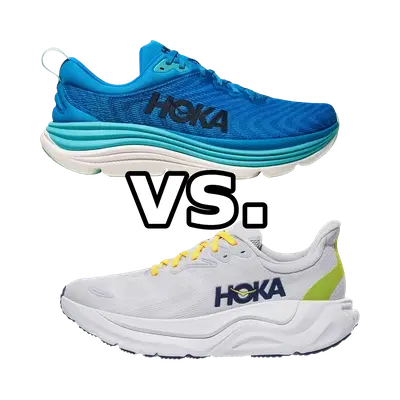
Hoka Gaviota 5 vs Hoka Gaviota 6:
Which to Choose
Verdict
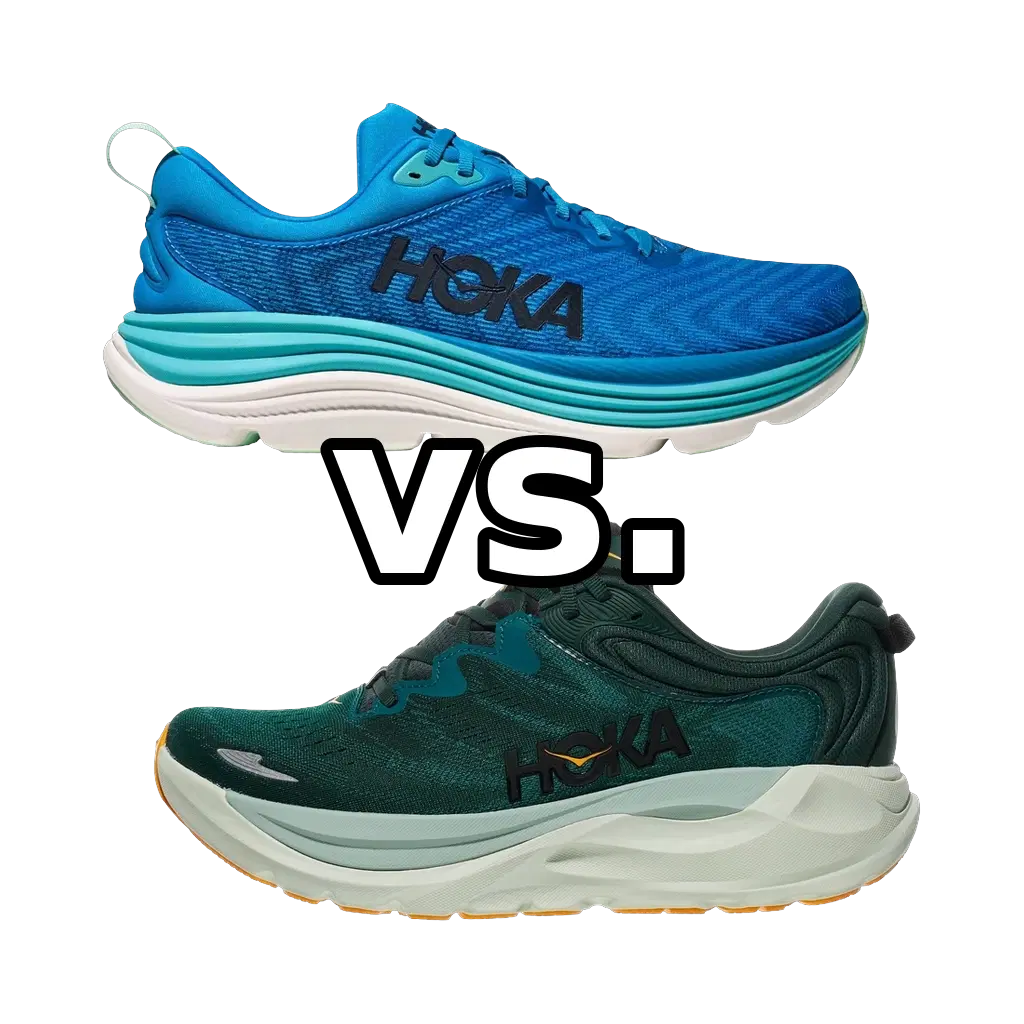
If you own the Gaviota 5 and love it specifically for its deep, plush cushioning and roomy fit, the 6 isn't an automatic upgrade — it trades some softness and its marathon-friendly range for a firmer ride and a tighter fit. But if you've wanted the same guidance with less weight underfoot, a snappier rocker, and a more secure lockdown for 10K-to-half training, the lighter, more refined Gaviota 6 is the better everyday stability trainer. It comes down to whether you prioritize maximum plushness and long-run range (stay on the 5) or a lighter, firmer, more locked-in ride (move to the 6).
Pace
3 of 6
Cushioning
6 of 6
Responsiveness
3 of 6
Stability
6 of 6
Drop
6 mm
Support
Stability
Plate
None
Distances
10KHalfMarathon
Pace
3 of 6
Cushioning
4 of 6
Responsiveness
2 of 6
Stability
6 of 6
Drop
7 mm
Support
Stability
Plate
None
Distances
10KHalf
At a Glance
Hoka Gaviota 5Hoka Gaviota 6
Who Should Choose Each Shoe
Choose
Hoka Gaviota 5
Choose the Gaviota 5 if maximum plush protection is the whole point — heavier runners, overpronators logging high-mileage weeks, or anyone who wants the softest possible landing on long, unhurried marathon-distance efforts. It's also the pick if you prefer a roomy, relaxed upper and a slightly softer underfoot feel over the newer model's firmer, more controlled ride.
Choose
Hoka Gaviota 6
Choose the Gaviota 6 if you want that same rock-solid stability but in a noticeably lighter package (283g vs 310g), with a more pronounced rocker and a more locked-in, snug fit. It suits overpronators and runners returning from injury who train mostly at 10K-to-half distances at controlled efforts and don't need — or don't want — the softest, plushest cushioning, favoring a firmer, planted platform instead.
Head-to-Head
Structurally these two are close cousins: both are true stability shoes (6/6) with an embedded H-Frame, both use full-length CMEVA with no plate, and both carry roughly the same heel stack (36mm heel on each, with a 30mm forefoot on the 5 versus 29mm on the 6). The most concrete win for the 6 is weight — it drops to 283g in a men's US9 against the 5's 310g, about a 27g saving that you can feel on longer efforts. The 6 also gets a more pronounced rocker for a slightly more assertive forward roll, and a snugger, closer-wrapping upper versus the roomier, more relaxed fit of the 5. Where the 5 holds an edge is cushioning character: our data rates it at maximum, plush protection (6/6), while the 6 lands at a firmer, moderate-plus level (4/6) — supportive and controlled, but less soft and less forgiving on tired legs. That difference in feel shows up in intended range too: the 5 is genuinely comfortable stretching out to a full marathon, whereas the 6's firmer ride settles into a sweet spot at 10K and half-marathon distances. Neither is a speed shoe — responsiveness is low on both (the 5 slightly ahead at 3/6 vs the 6's 2/6), and both go flat if you push much past ~5:15 min/km. The drop nudges up a touch, from 6mm on the 5 to 7mm on the 6.
Similar Comparisons
Hoka Gaviota 5 vs Mizuno Wave Inspire 22
© 2026 longrunshoes.ai | All rights reserved.
Use of materials from this site is permitted only with proper attribution and a link to longrunshoes.ai.