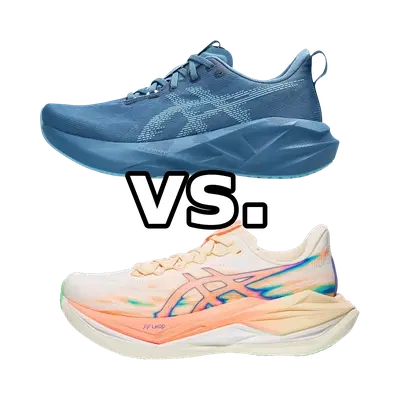
Asics Superblast 3 vs Hoka Skyward X 2:
Which to Choose
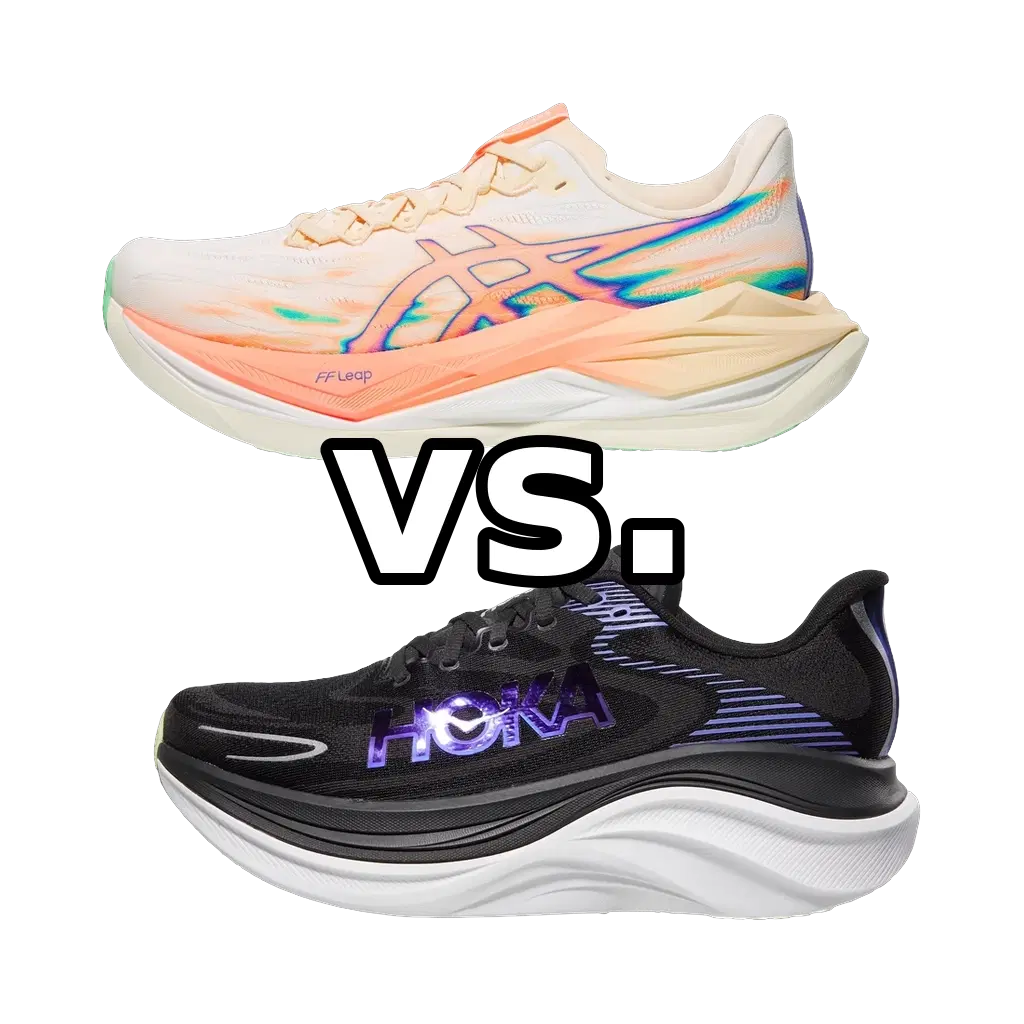
Verdict
It comes down to pace and structure, not cushioning — both are maxed-out, tall-stack shoes on the same platform. Pick the lighter, plateless Superblast 3 if you want versatility and a ride that rewards speeding up, from tempo through the marathon. Pick the plated, more stable Skyward X 2 if you want a plush, planted long-run and easy-day cruiser that protects your legs over the miles and stays composed when you fatigue. Faster and more adaptable, or softer and steadier — that's the whole decision.
Pace
5 of 6
Cushioning
6 of 6
Responsiveness
5 of 6
Stability
3 of 6
Drop
8 mm
Support
Neutral
Plate
None
Distances
10KHalfMarathon
Pace
3 of 6
Cushioning
6 of 6
Responsiveness
5 of 6
Stability
5 of 6
Drop
8 mm
Support
Stable Neutral
Plate
Carbon
Distances
HalfMarathon
At a Glance
Asics Superblast 3Hoka Skyward X 2
Who Should Choose Each Shoe
Choose
Asics Superblast 3
Choose the Superblast 3 if you want one neutral shoe that covers nearly everything — easy miles, steady training, and honest tempo work — without swapping between a soft trainer and a racer. It's the better pick for lighter, more efficient runners and anyone who values a lively, responsive ride and low weight, especially if the half marathon is your focus and you occasionally want to drop into 10K pace. Just know you're trading away some built-in stability: with no plate or sidewall reinforcement, that 46 mm platform can feel slightly tippy at very slow paces until you find a rhythm.
Choose
Hoka Skyward X 2
Choose the Skyward X 2 if your priority is piling up comfortable daily and long miles with maximum protection and planted stability, and you're a neutral-to-mildly-stable runner who runs mostly at relaxed cruising paces. The carbon plate and wide platform keep the tall stack feeling controlled and supportive when you tire late in a long run or steady marathon, which makes it the more forgiving, confidence-inspiring option. It's the right call if you want a plush super-trainer rather than something that encourages you to run fast — and if you don't mind carrying the extra weight for that security.
Head-to-Head
Start with what they share: the same towering 46/38 platform and 8 mm drop, both rated maximum cushioning (6/6) and high responsiveness (5/6). The decisive split is weight and structure. The Superblast 3 lands at just 235 g (men's US 9) and runs entirely without a rigid plate — its bounce comes purely from the FF Leap A-TPU superfoam over an FF Blast+ base and the midsole's shaping. The Skyward X 2 is heavier at 286 g, roughly 50 g more per shoe, and routes its ride through a carbon-fiber plate sandwiched between a PEBA-based top foam and a supercritical EVA layer. That plate isn't there to rocket you forward; it stiffens and stabilizes the tall stack, and together with a wider, more planted platform it earns the Hoka a 5/6 stability rating against the Asics's 3/6. You feel that difference in intent through the gears: the Superblast 3 is tuned for a 4:00–4:45 min/km sweet spot and comes alive the harder you press, feeling lighter and snappier than its stack suggests and holding up for genuine tempo efforts. The Skyward X 2 is happiest cruising at 5:00–6:00 min/km — protective and reassuringly stable when you tire, but its weight dampens the rebound so it never truly disappears when you try to push. Their best-distance ranges overlap at the half and full marathon, but the Superblast 3 extends down to the 10K and tempo work, while the Skyward X 2 leans toward easy days and steady long runs. Uppers differ in character too: the Asics uses a highly ventilated engineered woven mesh built for breathability and lightness (with exposed foam sidewalls that reward a little durability care), while the Hoka wraps your foot in a plusher premium jacquard mesh that prioritizes comfort over airiness.
Similar Comparisons
Hoka Skyward X vs Hoka Skyward X 2
Hoka Skyward X vs Asics Superblast 3
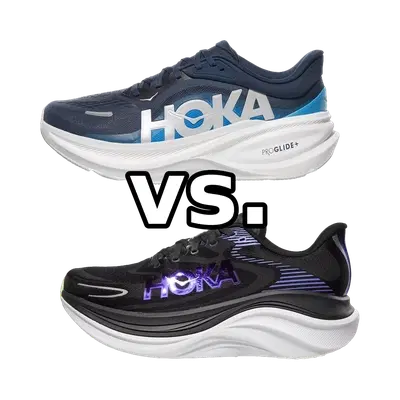
Hoka Clifton Pro vs Hoka Skyward X 2
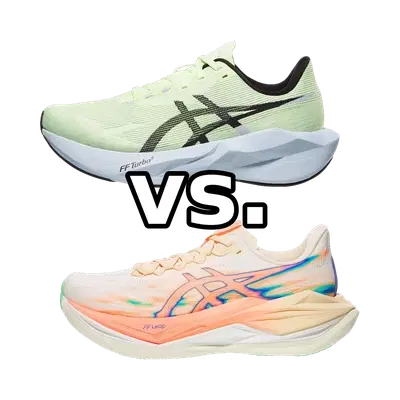
Asics Novablast 6 vs Asics Superblast 3
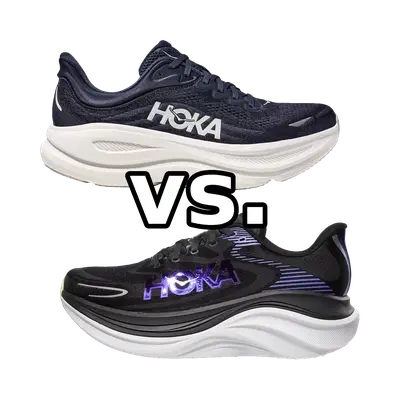
Hoka Bondi 9 vs Hoka Skyward X 2
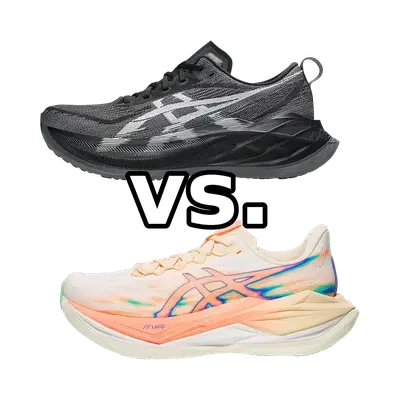
Asics Superblast 2 vs Asics Superblast 3
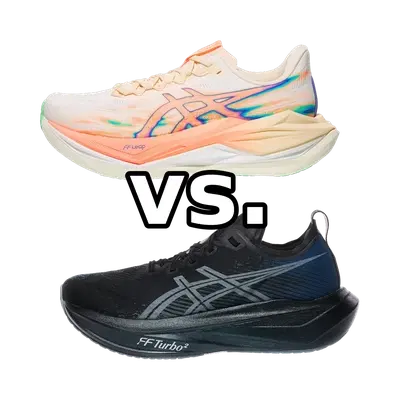
Asics Superblast 3 vs Asics Megablast
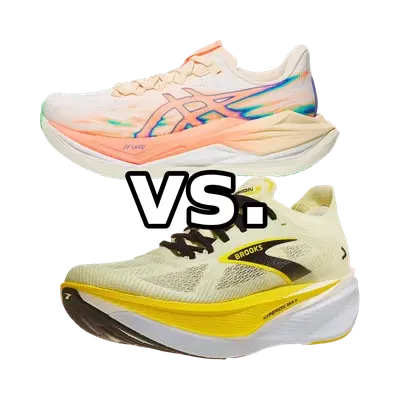
Asics Superblast 3 vs Brooks Hyperion Max 3
© 2026 longrunshoes.ai | All rights reserved.
Use of materials from this site is permitted only with proper attribution and a link to longrunshoes.ai.