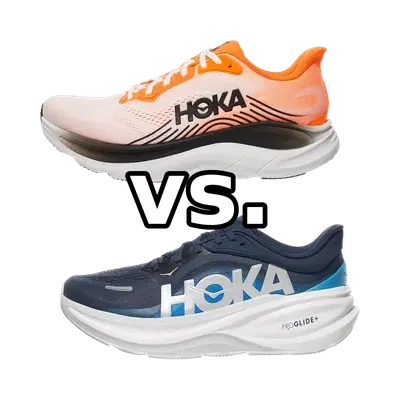
Hoka Clifton Pro vs Hoka Skyward X 2:
Which to Choose
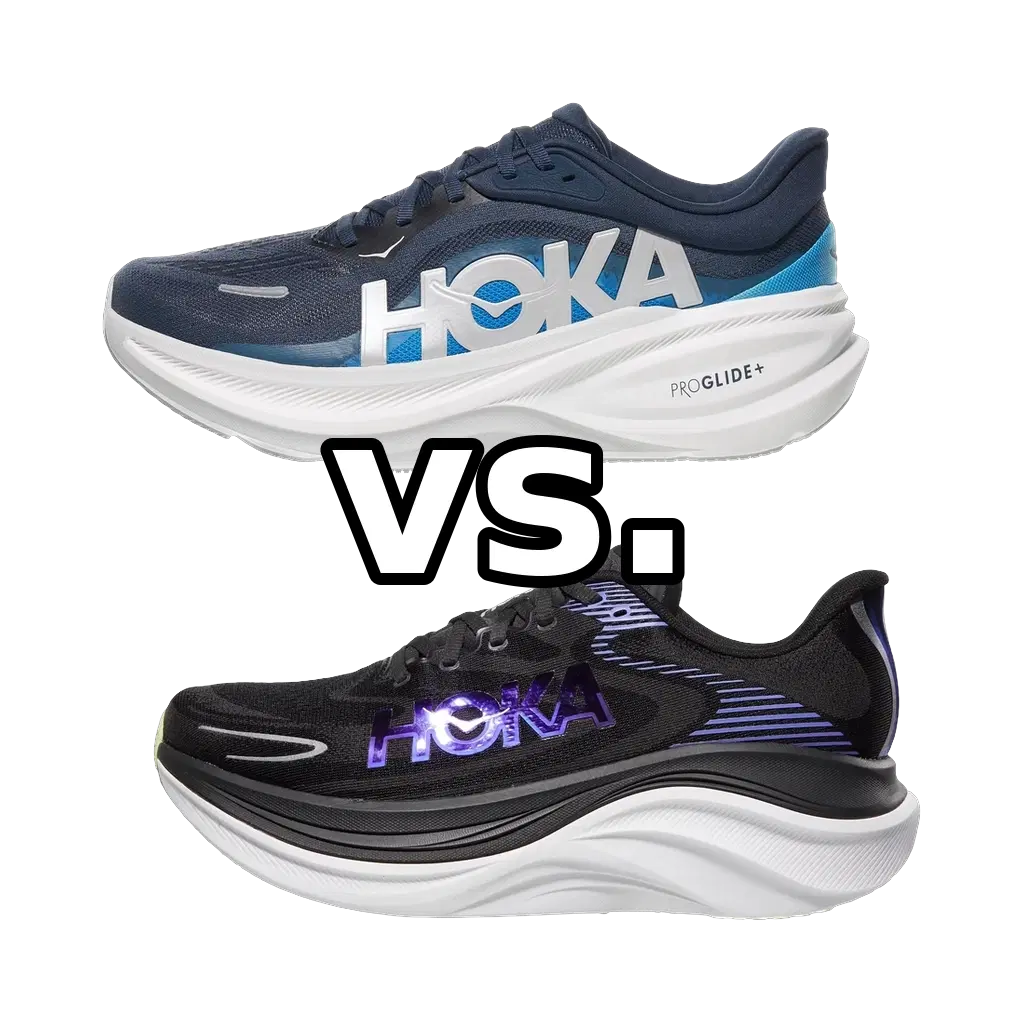
Verdict
It comes down to how much shoe you want and how you'll use it. Go with the Skyward X 2 if you're chasing maximum cushioning, stability, and long-run protection and are happy to carry a heavier, plated marathon cruiser; go with the Clifton Pro if you want a lighter, more responsive, plateless all-rounder that handles everything from 10K to the marathon and can shift gears when you ask it to. For most runners wanting a single versatile daily trainer, the Clifton Pro is the more flexible choice; for the runner whose weeks are built around long, easy miles and marathon efforts, the Skyward X 2 earns its extra bulk.
Pace
4 of 6
Cushioning
5 of 6
Responsiveness
5 of 6
Stability
4 of 6
Drop
8 mm
Support
Stable Neutral
Plate
None
Distances
10KHalfMarathon
Pace
3 of 6
Cushioning
6 of 6
Responsiveness
5 of 6
Stability
5 of 6
Drop
8 mm
Support
Stable Neutral
Plate
Carbon
Distances
HalfMarathon
At a Glance
Hoka Clifton ProHoka Skyward X 2
Who Should Choose Each Shoe
Choose
Hoka Clifton Pro
Choose the Clifton Pro if you want one shoe to cover most of your week — easy miles, longer runs, and the occasional pickup — and you value a lighter, more responsive feel over maximum plushness. It's the better pick for the runner who dislikes a soft, sink-in ride, who wants to comfortably range from 10K up to the marathon, and who doesn't need a plate to feel fast. Its ~264g weight and firmer, springy foam make it the more nimble everyday trainer of the two.
Choose
Hoka Skyward X 2
Choose the Skyward X 2 if your priority is piling up comfortable long miles and steady half or full marathons with as little leg fatigue as possible. Its taller 46/38mm stack, maximum cushioning, and wide, planted platform make it the shoe for neutral-to-mildly-stable runners who want a protective, super-trainer feel and appreciate the carbon plate keeping that big stack composed at cruising paces. Accept that at ~286g it's the heavier shoe and never truly disappears when you speed up — that's the trade for its cushioning and stability.
Head-to-Head
Start with the platforms: the Skyward X 2 stacks 46mm in the heel and 38mm in the forefoot, versus 43/33mm for the Clifton Pro, so the Skyward is genuinely the taller, more maximal shoe — its cushioning rates a full 6/6 to the Clifton's 5/6. That extra foam and its carbon fiber plate come at a weight cost: the Skyward X 2 is about 286g in a men's US 9, while the Clifton Pro is roughly 264g, a ~22g gap you feel when you turn the pace up. Both share the same 8mm drop and both use a rocker geometry for smooth transitions, so heel-to-toe roll feels familiar across the two. The key difference in ride is the plate and foam pairing: the Skyward blends a PEBA-based top foam over supercritical EVA around a carbon plate, giving a soft-yet-controlled, slightly bouncy landing where the plate keeps the tall stack from feeling mushy; the Clifton Pro runs a plateless ProGlide+ supercritical EVA that feels livelier and moderately firm, with a springy rebound that rewards a rolling stride rather than a plush sink-in. Stability tilts slightly to the Skyward (5/6 vs 4/6) thanks to its wider, more planted platform — reassuring when you're deep into a long run and tiring — but neither has medial posting, so both are neutral shoes. On pace and range, the Clifton Pro is the more versatile of the two: it happily covers 10K through the marathon and can be pushed toward roughly 4:20 min/km, while the Skyward X 2 is a dedicated long-run and steady-marathon tool that's best in the 5:00–6:00 min/km zone and tops out around 4:45 min/km before its weight dampens the fun. In short, the Skyward is the more protective, more planted marathon cruiser; the Clifton Pro is the lighter, quicker, do-a-bit-of-everything trainer.
Similar Comparisons
Hoka Skyward X vs Hoka Skyward X 2
Asics Superblast 3 vs Hoka Clifton Pro
Nike Vomero Plus vs Hoka Clifton Pro
Hoka Clifton 10 vs Hoka Clifton Pro
Hoka Bondi 9 vs Hoka Clifton Pro
Asics Novablast 5 vs Hoka Clifton Pro
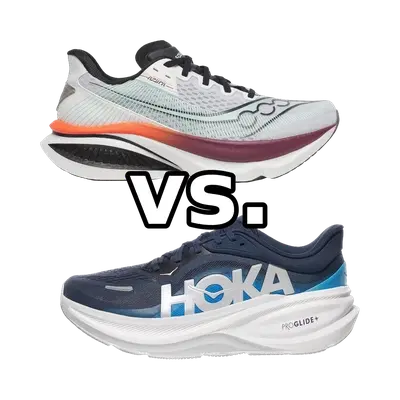
Saucony Endorphin Azura vs Hoka Clifton Pro
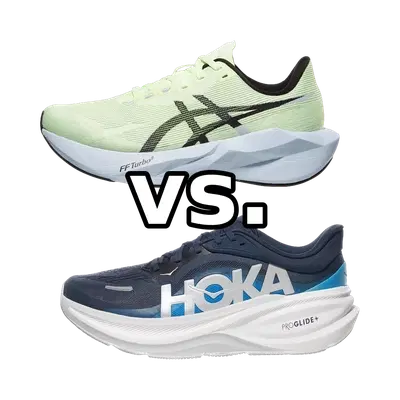
Asics Novablast 6 vs Hoka Clifton Pro
© 2026 longrunshoes.ai | All rights reserved.
Use of materials from this site is permitted only with proper attribution and a link to longrunshoes.ai.