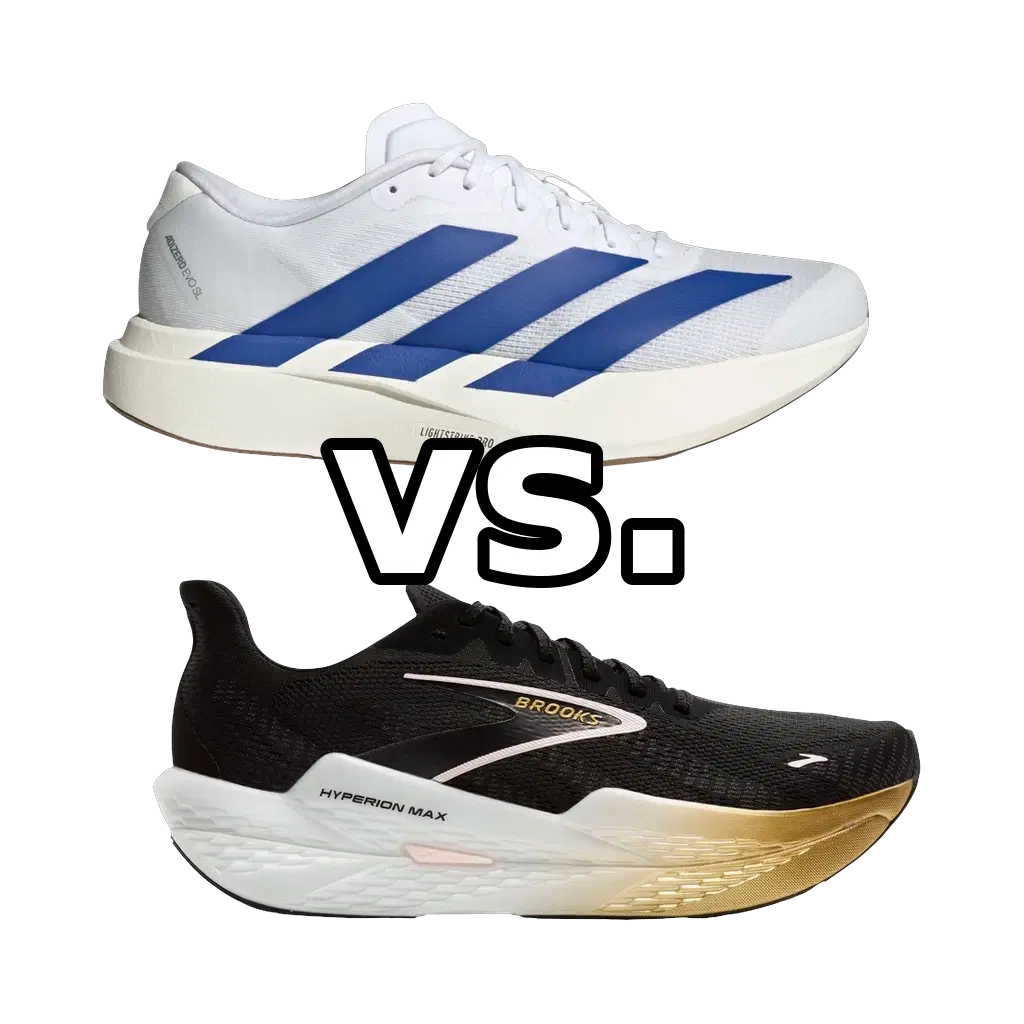
Adidas Adizero Evo SL vs Brooks Hyperion Max 2:
Which to Choose
Verdict
It genuinely depends — but on ride feel, not on which is "better." Go Evo SL if you want lighter, softer, and springier with more foam for longer fast efforts; go Hyperion Max 2 if you want firmer, lower, and more controlled with a rocker-driven roll for snappy speed work. Both nail the same job at the same level, so let the foam character and fit decide: try them on and pick the one that feels right at your tempo pace.
Pace
5 of 6
Cushioning
5 of 6
Responsiveness
5 of 6
Stability
3 of 6
Drop
6 mm
Support
Neutral
Plate
None
Distances
5K10KHalf
Pace
5 of 6
Cushioning
4 of 6
Responsiveness
5 of 6
Stability
3 of 6
Drop
6 mm
Support
Neutral
Plate
None
Distances
5K10KHalf
At a Glance
Adidas Adizero Evo SLBrooks Hyperion Max 2
Who Should Choose Each Shoe
Choose
Adidas Adizero Evo SL
Choose the Adizero Evo SL if you want the lighter, softer, bouncier ride and plan to use one do-it-all fast shoe for everything from strides up to the half — the extra Lightstrike Pro cushioning and lower weight make it the more forgiving option over longer tempo efforts and race distances. It's the better pick for runners who like a tall, energetic foam platform and don't mind that it feels its best only once you're moving with purpose.
Choose
Brooks Hyperion Max 2
Choose the Hyperion Max 2 if you prefer a firmer, more connected, controlled ride and value a rocker geometry that drives a quick forward roll over outright plushness. Its narrower, lower-stack platform stays planted and predictable during sharp interval work and shorter races, making it the natural fit for runners who want direct ground feel and turnover rather than a soft, bouncy cushion underfoot.
Head-to-Head
On paper these two are close cousins: both neutral, both 6mm drop, both plateless, both leaning on a modern bouncy foam for their energy return rather than any stiff insert, and both are happiest when you push toward roughly 3:45–4:00 min/km. The separation starts with the foam and the stack. The Evo SL uses a full-length Lightstrike Pro, a PEBA-class foam, and rides on the taller platform (around 39mm at the heel) — soft yet springy, with a noticeably more cushioned, bouncier feel that rewards a quick footstrike but can feel slightly unsettled when you dawdle. The Hyperion Max 2 runs its nitrogen-infused DNA Flash v2 at a lower 36mm heel stack, and the result is lighter and livelier than pillowy — a firmer, more controlled push that reads as a snappy daily-trainer level of cushioning rather than a max-stack ride. Weight is the other decider: the Evo SL is clearly the lighter shoe at about 224g versus roughly 258g for the Hyperion Max 2 in a men's 9, a gap you feel on faster reps. Geometry differs too — the Brooks leans on a gentle rocker and a fairly narrow base that stays predictable and planted at speed, while the Adidas generates its roll purely from soft, tall foam, which is livelier up top but a touch less settled at jogging pace. Neither offers pronation control, and both share the same honest caveat: they come alive when you speed up and feel firm or wobbly when you slow down.
Similar Comparisons
Brooks Hyperion Max 2 vs Brooks Hyperion Max 3
Adidas Adizero Evo SL vs Nike Structure 26
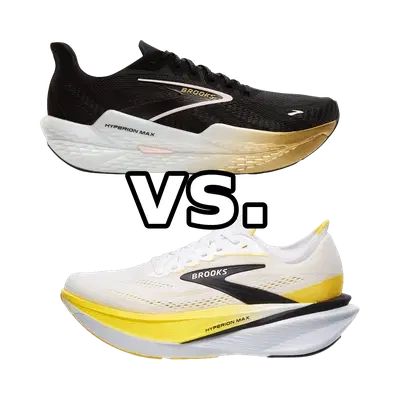
Brooks Hyperion Max 2 vs Brooks Hyperion Max 4
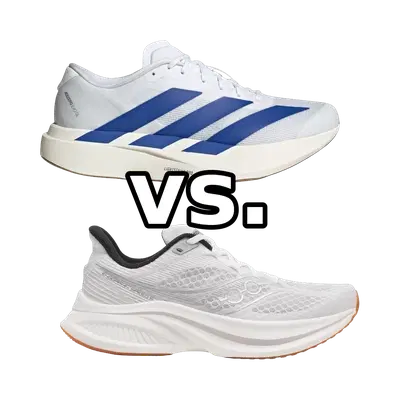
Adidas Adizero Evo SL vs Saucony Endorphin Speed 5
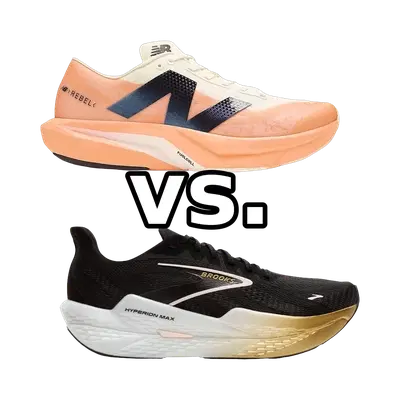
New Balance FuelCell Rebel v4 vs Brooks Hyperion Max 2
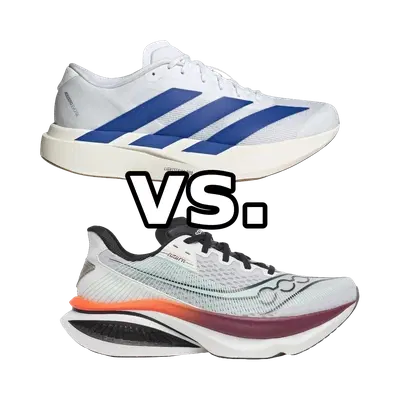
Adidas Adizero Evo SL vs Saucony Endorphin Azura
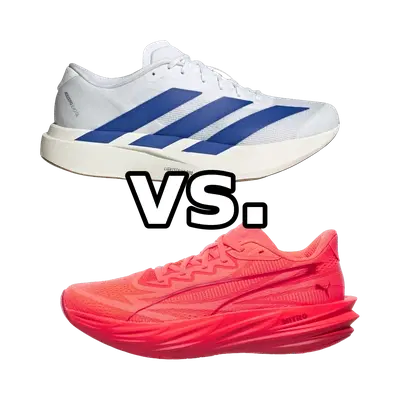
Adidas Adizero Evo SL vs Puma Deviate Pure Nitro
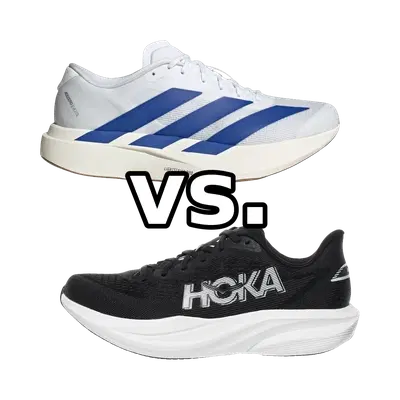
Adidas Adizero Evo SL vs Hoka Mach 7
© 2026 longrunshoes.ai | All rights reserved.
Use of materials from this site is permitted only with proper attribution and a link to longrunshoes.ai.