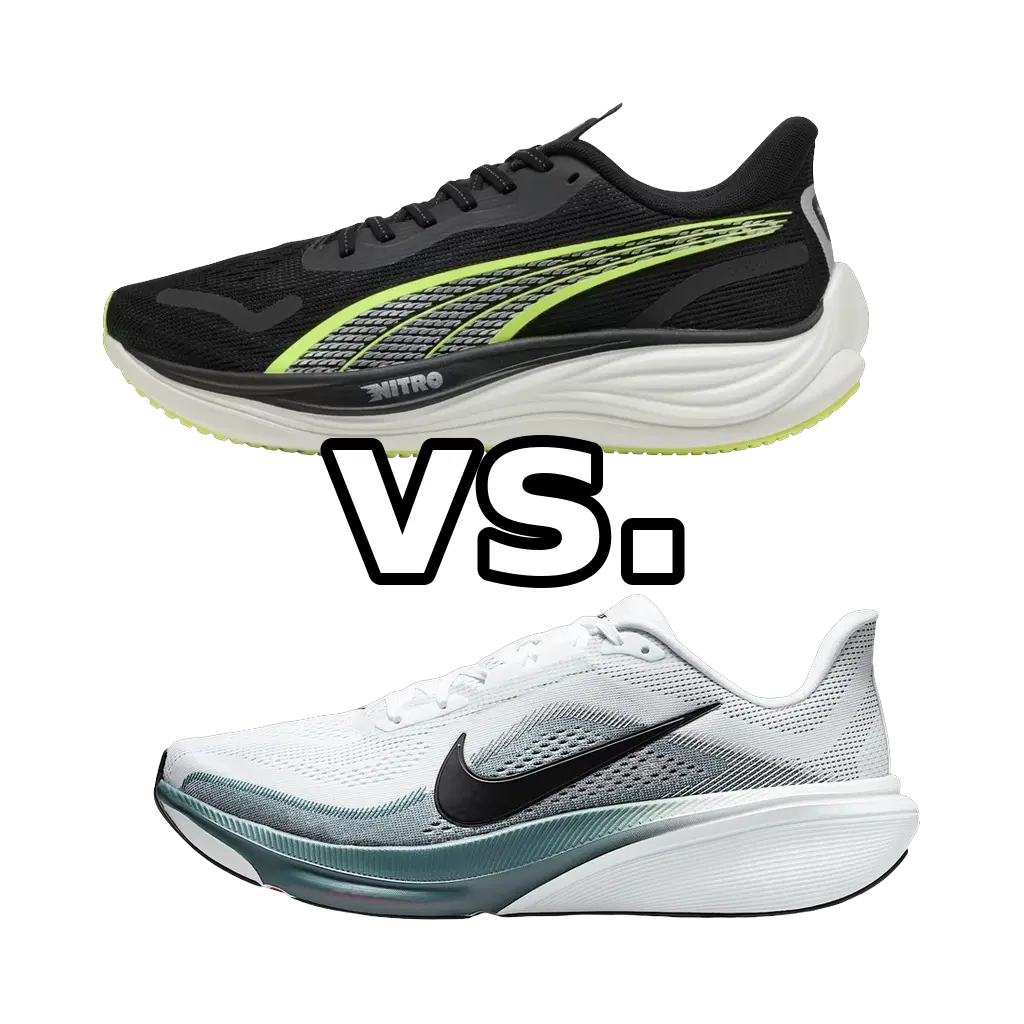
Puma Velocity Nitro 3 vs Nike Pegasus 42:
Which to Choose
Verdict
These two are genuine twins in purpose — same distances, same neutral stance, same no-plate daily-trainer brief — so the call comes down to geometry and feel, not capability. Go Puma Velocity Nitro 3 for a lower 10mm drop, a slightly lighter and springier ride with more ground feel, and a bit more willingness at tempo; go Nike Pegasus 42 for a taller 14mm, heel-biased platform with a firmer, more planted feel and that distinctive Air Zoom pop. Match the drop and ride character to your footstrike and preference and you won't go wrong with either.
Pace
4 of 6
Cushioning
4 of 6
Responsiveness
4 of 6
Stability
4 of 6
Drop
10 mm
Support
Neutral
Plate
None
Distances
10KHalfMarathon
Pace
4 of 6
Cushioning
4 of 6
Responsiveness
4 of 6
Stability
4 of 6
Drop
10 mm
Support
Neutral
Plate
None
Distances
10KHalfMarathon
At a Glance
Puma Velocity Nitro 3Nike Pegasus 42
Who Should Choose Each Shoe
Choose
Puma Velocity Nitro 3
Choose the Velocity Nitro 3 if you want the lower, more connected ride — a 10mm drop, a bit of ground feel, and a lighter, springier platform that rolls forward and doesn't mind the occasional tempo day. It's the better pick for midfoot strikers, for improving beginners who want one lively do-everything trainer, and for runners who find very high-drop shoes put too much under the heel. The half marathon is its sweet spot, and it rewards a runner who values versatility and a touch of pep over maximal underfoot bulk.
Choose
Nike Pegasus 42
Choose the Pegasus 42 if you're a heel striker or simply prefer a tall, firm, planted ride with plenty of shoe underfoot — the 14mm drop and curved Air Zoom unit reward consistent, rhythmic daily mileage and steady long runs over speed. It's ideal for beginners building a durable base and experienced runners who want a dependable, structured workhorse for easy-to-moderate efforts and don't mind carrying a little extra weight. If you like that signature snappy Air Zoom pop as you settle into a rhythm, this is the one.
Head-to-Head
Start with the number that most separates them: drop. The Velocity Nitro 3 runs a traditional 10mm offset over a roughly 34/24mm stack, while the Pegasus 42 sits at a tall 14mm over a 36/22mm stack — so the Nike is both higher at the heel and lower at the forefoot, giving it a markedly more heel-biased ride you feel on every footstrike. That 4mm drop gap is the single biggest reason these shoes feel different underfoot. Foam and propulsion differ too: Puma's nitrogen-infused Nitro EVA reads as moderately soft but grounded and springy, rolling forward willingly when you pick up the pace, whereas Nike pairs firmer ReactX foam with a curved full-length Air Zoom unit that delivers a distinct pop the faster you go but feels businesslike and firm at truly slow efforts. The Puma keeps more ground feel; the Pegasus feels like more shoe underfoot. Weight tips toward Puma as well — about 275g in a men's US 9 versus 286g for the Pegasus — a real if modest edge that, combined with the lower drop and livelier foam, makes the Velocity a touch more willing when you stretch toward tempo (it holds form down to about 4:45 min/km, the Pegasus to around 4:45–5:15). Both are built to last, with a grippy PUMAGRIP outsole on the Puma and Nike's durable rubber, and both wrap the foot in a breathable engineered mesh. Stability is a wash: both are wide, planted, genuinely neutral platforms with no added pronation support.
Similar Comparisons

Nike Pegasus 41 vs Nike Pegasus 42
Puma Velocity Nitro 3 vs Puma Velocity Nitro 5
Brooks Ghost 17 vs Nike Pegasus 42

Nike Pegasus 41 vs Puma Velocity Nitro 3

Hoka Clifton 10 vs Nike Pegasus 42
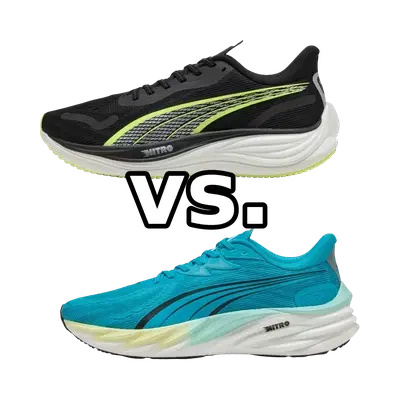
Puma Velocity Nitro 3 vs Puma Velocity Nitro 4
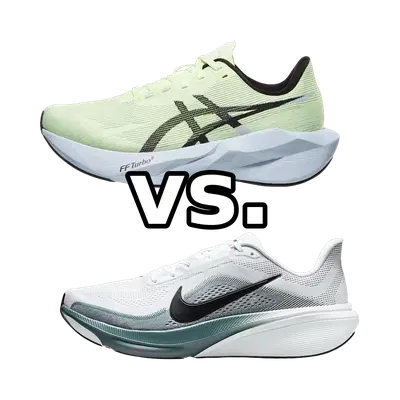
Asics Novablast 6 vs Nike Pegasus 42
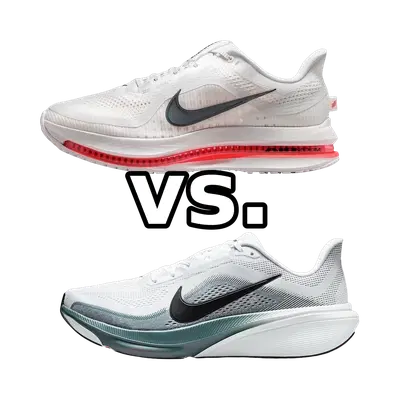
Nike Pegasus Premium vs Nike Pegasus 42
© 2026 longrunshoes.ai | All rights reserved.
Use of materials from this site is permitted only with proper attribution and a link to longrunshoes.ai.