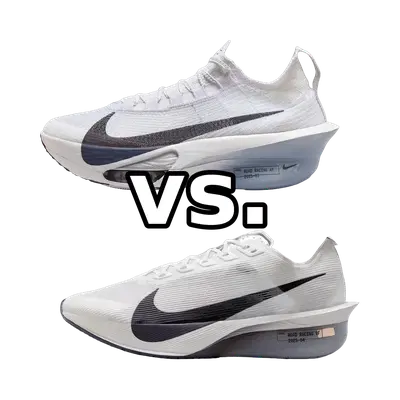
Nike Vaporfly 4 vs Brooks Hyperion Elite 6:
Which to Choose
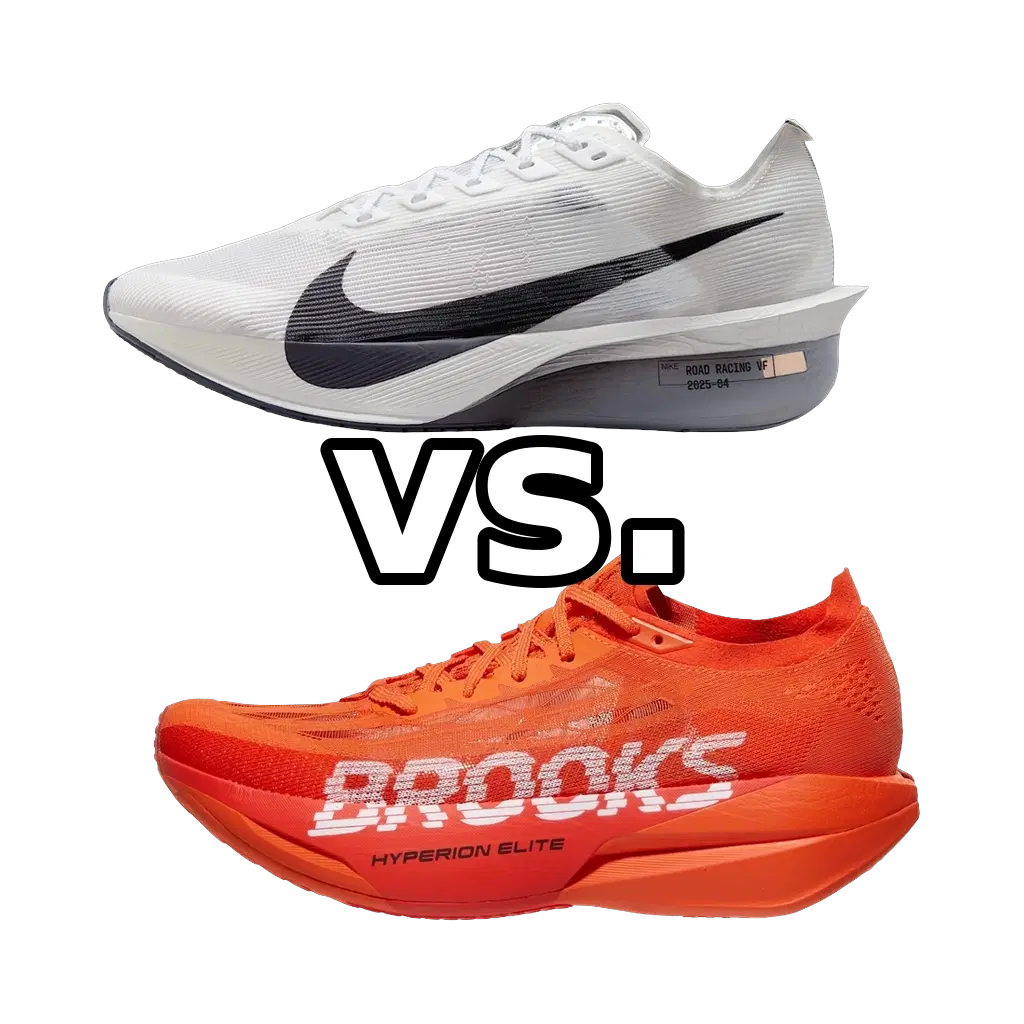
Verdict
These are close cousins, so it comes down to distance and ride, not quality — both are genuine, well-executed super shoes. Go with the Vaporfly 4 if you want the lighter, lower, more versatile racer that shines from the 5K up through the half; go with the Hyperion Elite 6 if you're chasing a half- or full-marathon PR and want the taller, deeper, max-cushion platform to carry you through the closing miles.
Pace
6 of 6
Cushioning
5 of 6
Responsiveness
6 of 6
Stability
2 of 6
Drop
8 mm
Support
Neutral
Plate
Carbon
Distances
5K10KHalfMarathon
Pace
6 of 6
Cushioning
6 of 6
Responsiveness
6 of 6
Stability
2 of 6
Drop
7 mm
Support
Neutral
Plate
Carbon
Distances
10KHalfMarathon
At a Glance
Nike Vaporfly 4Brooks Hyperion Elite 6
Who Should Choose Each Shoe
Choose
Nike Vaporfly 4
Choose the Vaporfly 4 if your racing calendar skews shorter and faster — 5Ks, 10Ks, and half marathons — and you want the lightest, snappiest shoe on the line. Its lower-to-the-ground, roughly 167 g build rewards runners who value quick turnover and a nimble, connected feel at their fastest sustainable efforts, and its broader distance range makes it the more versatile single racer if you jump between events. It's the pick for the experienced racer who prizes low weight and agility over maximum underfoot protection.
Choose
Brooks Hyperion Elite 6
Choose the Hyperion Elite 6 if your goal races are long — the half and especially the full marathon — and you want the deepest, most protective legal-height platform under you late in a race. Its 40 mm/33 mm stack of soft DNA Gold foam is built to keep your legs fresher over 26.2 miles, and it's the better bet for runners who tend to feel beaten up by thinner racers over long distances. It suits the marathoner who'll happily trade a little extra weight for more cushioning and long-haul comfort.
Head-to-Head
Underfoot both pair a soft, springy PEBA foam with a full-length carbon plate — Nike's ZoomX over a Flyplate versus Brooks' DNA Gold over the SpeedVault+ plate — and both deliver that insistent rocker that nudges you to pick up the pace, along with the tippy, slightly vague feel at jogging speeds that comes with any tall, narrow racer. The clearest split is stack and weight. The Hyperion Elite 6 is the taller, deeper, max-cushion shoe, riding on a 40 mm heel / 33 mm forefoot platform, and it weighs roughly 192–198 g in a men's US 9. The Vaporfly 4 is the leaner, lighter option at about 167 g in the same size, on a lower-profile chassis — the lightest Vaporfly yet. Drops are effectively a wash: 8 mm on the Nike, 7 mm on the Brooks, both moderate setups favoring midfoot and forefoot strikers. That weight-and-stack difference shapes their sweet spots. Both cover 10K through the marathon, but the Vaporfly's lighter, lower build extends its range down to the 5K and makes it feel sharpest across 10K-to-half efforts, while the Hyperion's deeper, more protective stack is tuned for the half and full marathon, where that extra cushioning pays off over the long haul. Uppers follow the same racing logic — Nike's thin engineered mesh versus Brooks' ultra-thin flat-knit with silicone lace sheaths — both prioritizing lockdown and breathability over durability.
Similar Comparisons
Brooks Hyperion Elite 5 vs Brooks Hyperion Elite 6
Nike Vaporfly 4 vs Saucony Endorphin Pro 5
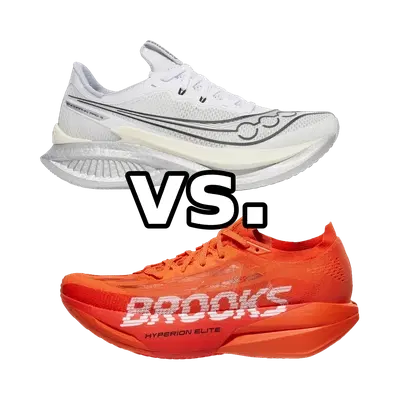
Saucony Endorphin Pro 5 vs Brooks Hyperion Elite 6
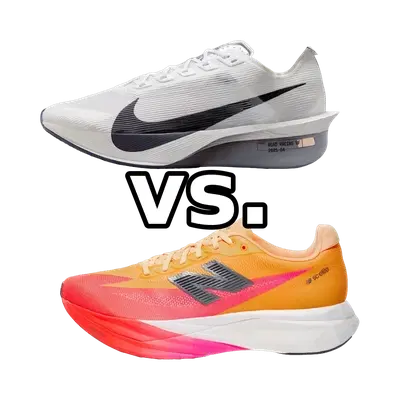
Nike Vaporfly 4 vs New Balance FuelCell SuperComp Elite v5
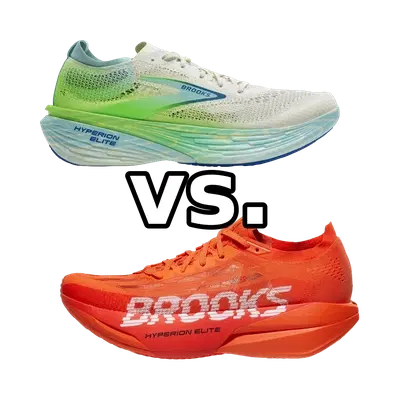
Brooks Hyperion Elite 4 PB vs Brooks Hyperion Elite 6
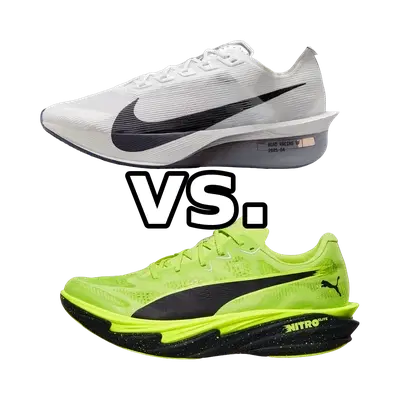
Nike Vaporfly 4 vs Puma Deviate Nitro Elite 4
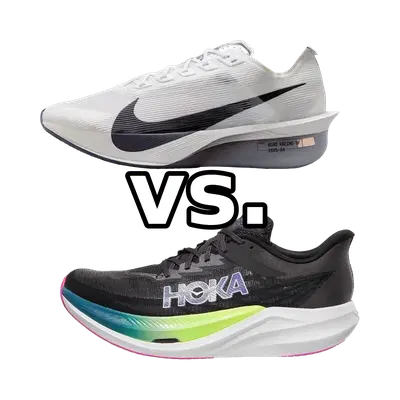
Nike Vaporfly 4 vs Hoka Rocket X 3
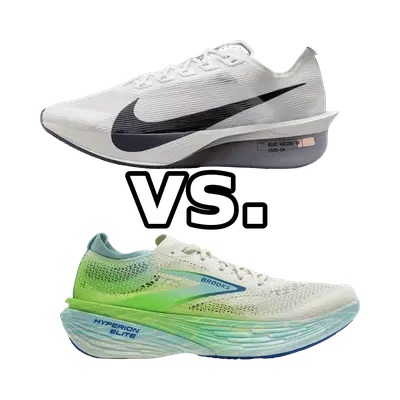
Nike Vaporfly 4 vs Brooks Hyperion Elite 4 PB
© 2026 longrunshoes.ai | All rights reserved.
Use of materials from this site is permitted only with proper attribution and a link to longrunshoes.ai.