
Nike Pegasus 42 vs Nike Pegasus Plus 2:
Which to Choose

Verdict
It comes down to how you run, not which is objectively superior. Pick the 42 for firm, stable, high-mileage daily training and long runs; pick the Plus 2 for a lighter, softer, springier shoe you'll run fast. If your week is mostly easy miles, the 42 wins; if it's mostly tempo and race-pace work, the Plus 2 is worth the trade in stability.
Pace
4 of 6
Cushioning
4 of 6
Responsiveness
4 of 6
Stability
4 of 6
Drop
14 mm
Support
Neutral
Plate
None
Distances
10KHalfMarathon
Pace
5 of 6
Cushioning
5 of 6
Responsiveness
5 of 6
Stability
3 of 6
Drop
10 mm
Support
Neutral
Plate
None
Distances
5K10KHalf
At a Glance
Nike Pegasus 42Nike Pegasus Plus 2
Who Should Choose Each Shoe
Choose
Nike Pegasus 42
Choose the Pegasus 42 if you want one do-everything trainer for easy-to-moderate daily mileage and longer efforts up to the marathon, and you value a firm, planted, durable ride over bounce. It's the better pick for beginners building a base, heel strikers who like a high-drop feel, and runners who prioritize stability and longevity over outright speed. If most of your week is steady cruising rather than tempo work, this is the shoe.
Choose
Nike Pegasus Plus 2
Choose the Pegasus Plus 2 if you're an intermediate-to-experienced runner who wants a single shoe for fast daily miles, intervals, and tempo efforts from 5K to the half, and you'll actually run it fast enough to settle its tall, soft stack. The lighter weight, livelier ZoomX, lower drop, and rocker all reward turnover and quick transitions. Skip it if you want a stable, planted cruiser for slow recovery jogs — it feels tippy and underused at those paces.
Head-to-Head
The clearest split is the foam. The 42 runs on ReactX, a firm, stable, durability-first midsole that feels businesslike and planted, with pop coming from its full-length curved Air Zoom unit rather than the foam itself. The Plus 2 swaps in full-length ZoomX — Nike's soft, bouncy premium foam — plus an exposed forefoot Air unit and a mild rocker, so it feels springy and eager underfoot but noticeably less settled at jogging speeds. Stack numbers back this up: the Plus 2 is taller at both ends (38mm heel / 28mm forefoot) than the 42 (36mm / 22mm), and that extra forefoot height is where its toe-off snap lives. Drop is the other decider — the 42's tall 14mm, heel-biased offset rewards heel strikers logging steady miles, while the Plus 2's 10mm feels more forward and turnover-friendly. On the scale, the Plus 2 is the lighter shoe at roughly 252g in a men's US 9 versus 286g for the 42, a meaningful ~34g difference you feel when the pace lifts. Neither has a plate and both are neutral with no pronation support, but the 42's wider, firmer platform is the more stable of the two; the Plus 2's soft, tall stack trades that planted security for liveliness. Use cases follow directly: the 42 is happiest on 10K-to-marathon steady long runs and moderate efforts around 5:00–6:00/km, whereas the Plus 2 comes alive at 5K-to-half race efforts, with its sweet spot the 10K at 3:45–4:00/km.
Similar Comparisons

Nike Pegasus Plus vs Nike Pegasus Plus 2
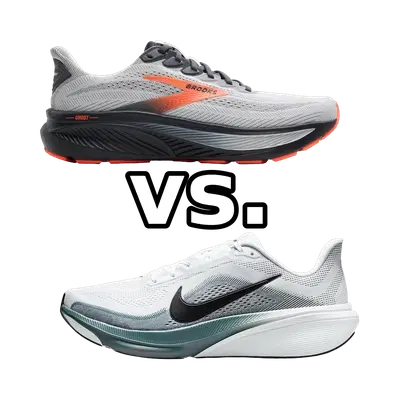
Brooks Ghost 17 vs Nike Pegasus 42

Adidas Adizero Evo SL vs Nike Pegasus Plus 2

Hoka Clifton 10 vs Nike Pegasus 42
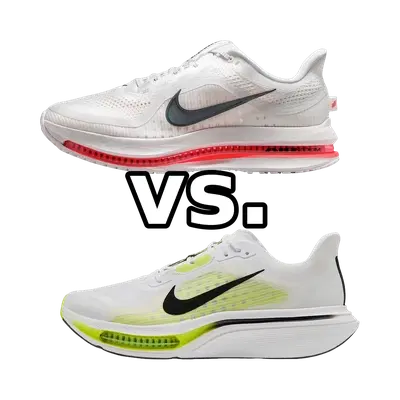
Nike Pegasus Premium vs Nike Pegasus Plus 2
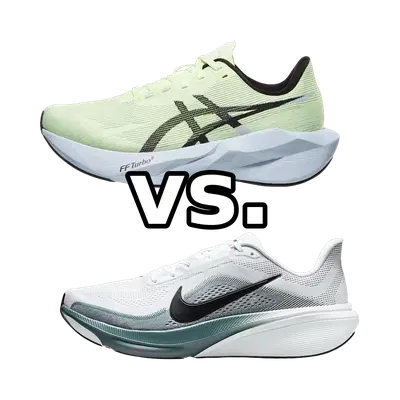
Asics Novablast 6 vs Nike Pegasus 42

Nike Pegasus 41 vs Nike Pegasus Plus 2
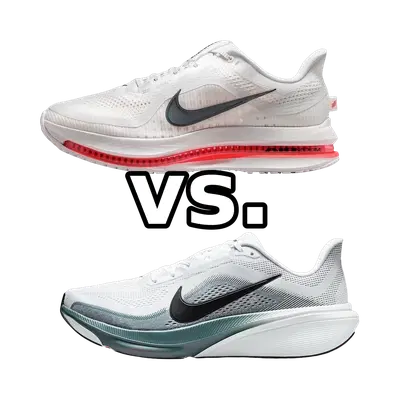
Nike Pegasus Premium vs Nike Pegasus 42
© 2026 longrunshoes.ai | All rights reserved.
Use of materials from this site is permitted only with proper attribution and a link to longrunshoes.ai.