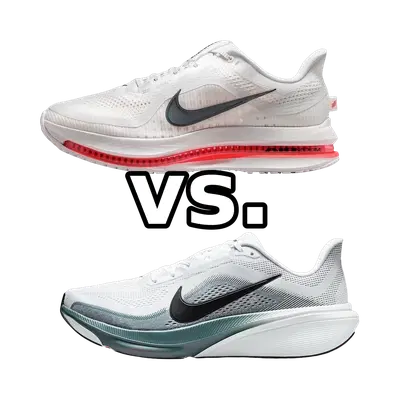
Nike Pegasus Premium vs Nike Pegasus Plus 2:
Which to Choose
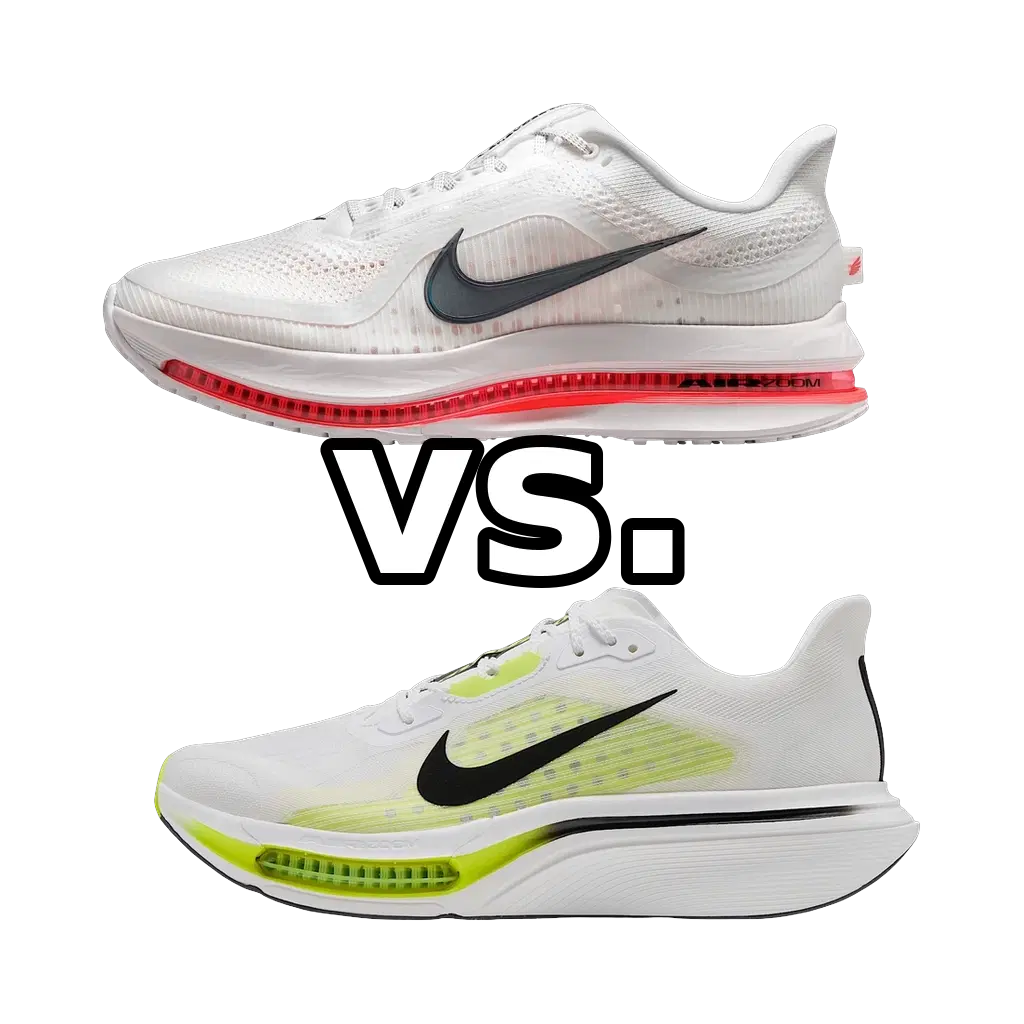
Verdict
It comes down to pace and purpose, not quality — both are well-built neutral ZoomX trainers. Go Premium if you want maximum cushioning for comfortable everyday and long-run mileage up to the marathon; go Plus 2 if you want a lighter, snappier shoe that rewards speed from 5K to the half. If most of your running is easy and you want plush protection, the Premium wins; if you want one shoe to run fast in, the Plus 2 is the clear choice.
Pace
4 of 6
Cushioning
6 of 6
Responsiveness
5 of 6
Stability
3 of 6
Drop
10 mm
Support
Neutral
Plate
None
Distances
10KHalfMarathon
Pace
5 of 6
Cushioning
5 of 6
Responsiveness
5 of 6
Stability
3 of 6
Drop
10 mm
Support
Neutral
Plate
None
Distances
5K10KHalf
At a Glance
Nike Pegasus PremiumNike Pegasus Plus 2
Who Should Choose Each Shoe
Choose
Nike Pegasus Premium
Choose the Pegasus Premium if you want one plush, versatile trainer for the bulk of your weekly mileage — easy days, long runs, and the occasional moderate session — and you value deep, protective cushioning over turnover. It's the better pick for a neutral recreational runner training toward a half or full marathon who wants to feel coddled underfoot and doesn't mind carrying the extra weight and stack height that comes with max cushioning.
Choose
Nike Pegasus Plus 2
Choose the Pegasus Plus 2 if your weekly plan leans on fast daily miles, tempo runs, and intervals, and you're racing anywhere from the 5K to the half. Its lighter build, lower stack, and rolling forefoot rocker reward picking up the pace, so it suits intermediate-to-experienced runners chasing road-race sharpness and quick toe-off — not someone whose miles are mostly slow recovery jogs, where its tall soft platform feels unsettled.
Head-to-Head
On paper the overlap is real: both are neutral shoes with a 10mm heel-to-toe drop, no plate, a ZoomX-plus-Air-Zoom midsole, and the same moderate stability (3/6) that comes from sitting up on a tall, soft platform. The differences that decide it are weight, stack, and intended pace. The Plus 2 weighs about 252g in a men's US 9 on a 38mm heel / 28mm forefoot stack, while the Premium is a noticeably bigger, heavier shoe — roughly 308g with a taller heel near 43mm — because it stacks ZoomX over a durable ReactX base and runs a full-length Air unit rather than just an exposed forefoot pod. That extra material is the whole point of the Premium: it's rated max cushioning (6/6) and feels plush and protective at easy and long-run paces, with its sweet spot at the half marathon and range extending to the full. The Plus 2 trims that to high cushioning (5/6), keeps the stack lower, and adds a mild forefoot rocker, so it snaps through toe-off and genuinely comes alive when you push the pace — its optimal window (around 4:00–4:45 min/km) is meaningfully quicker than the Premium's (around 4:30–5:15 min/km), and its sweet spot is the 10K. Both feel a touch tippy and unsettled at slow, plodding paces thanks to that soft, tall build, but the Plus 2's lower stack and lighter frame make it the more agile of the two, while the Premium trades agility for sheer underfoot comfort. The Plus 2 also gets a roomier version-2 forefoot in its engineered mesh upper if fit is a concern.
Similar Comparisons
Nike Pegasus Plus vs Nike Pegasus Plus 2
Nike Pegasus Premium vs Asics Megablast
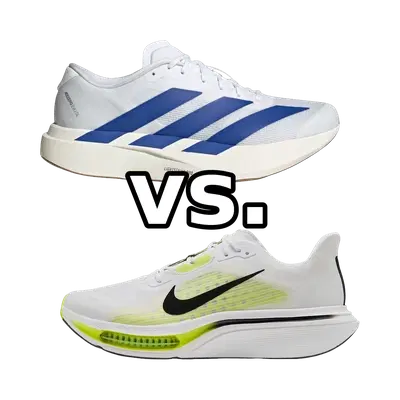
Adidas Adizero Evo SL vs Nike Pegasus Plus 2
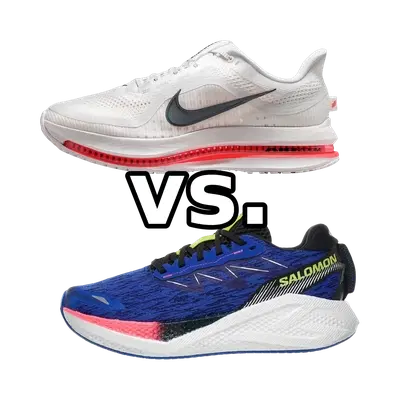
Nike Pegasus Premium vs Salomon Aero Glide 4
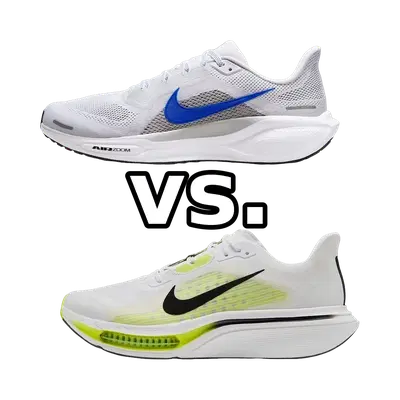
Nike Pegasus 41 vs Nike Pegasus Plus 2
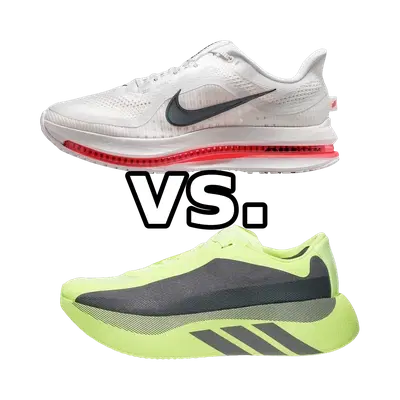
Nike Pegasus Premium vs Adidas Hyperboost Edge
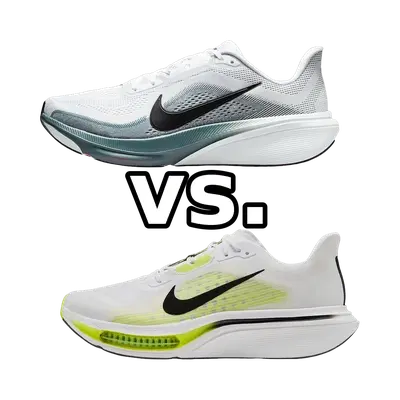
Nike Pegasus 42 vs Nike Pegasus Plus 2
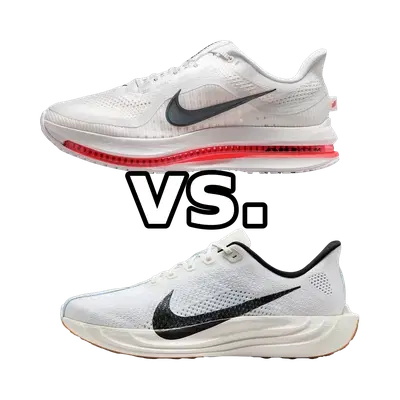
Nike Pegasus Premium vs Nike Pegasus Plus
© 2026 longrunshoes.ai | All rights reserved.
Use of materials from this site is permitted only with proper attribution and a link to longrunshoes.ai.