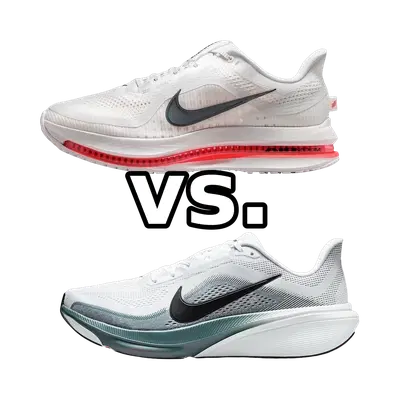
Nike Pegasus Premium vs Nike Pegasus Plus:
Which to Choose
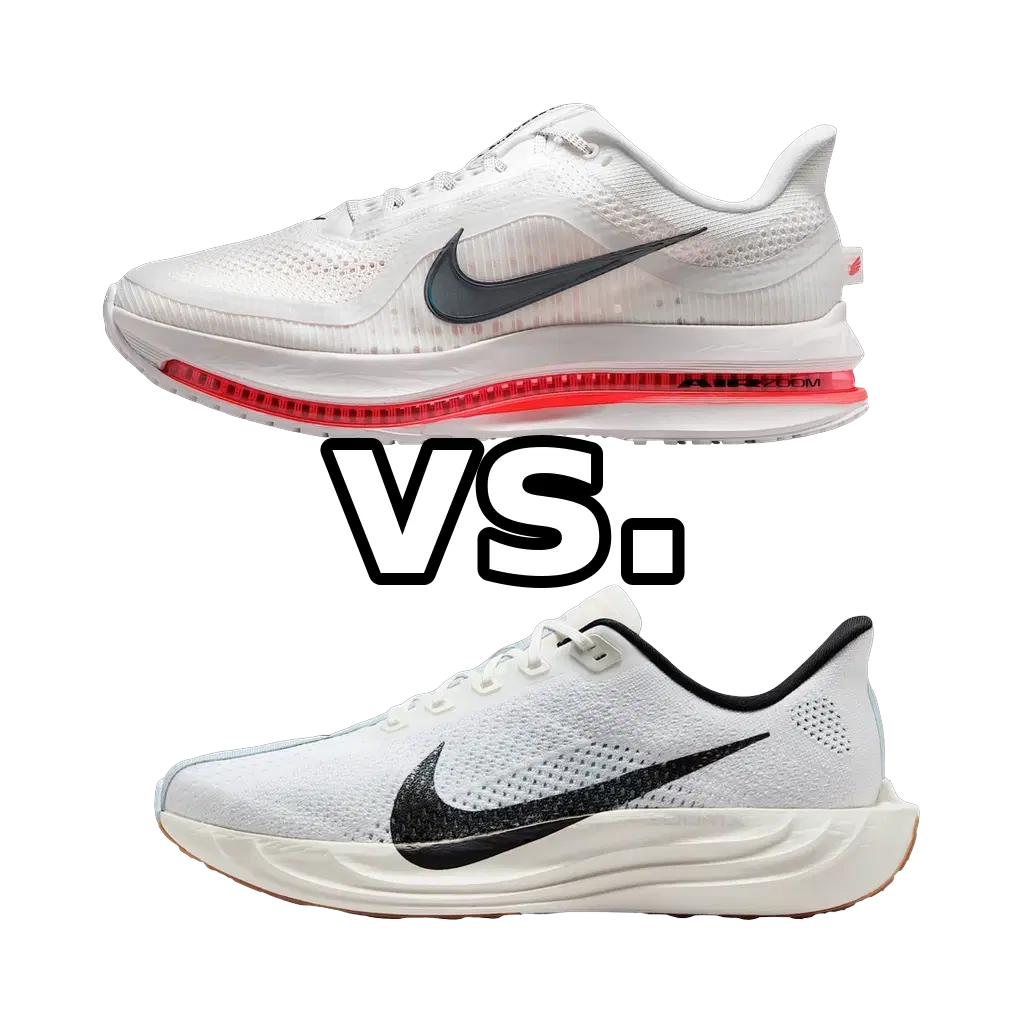
Verdict
It comes down to distance and intent. Go Premium if your runs skew long and easy and you want maximum cushioning and protection — it's the taller, heavier, plusher marathon-capable trainer. Go Plus if your runs skew shorter and faster and you want a lighter, snappier shoe that rewards tempo work. Both share the same neutral, 10mm-drop, plateless ZoomX DNA, so neither is "better" outright — the Premium is simply more shoe for going long, and the Plus is less shoe for going fast.
Pace
4 of 6
Cushioning
6 of 6
Responsiveness
5 of 6
Stability
3 of 6
Drop
10 mm
Support
Neutral
Plate
None
Distances
10KHalfMarathon
Pace
4 of 6
Cushioning
4 of 6
Responsiveness
5 of 6
Stability
3 of 6
Drop
10 mm
Support
Neutral
Plate
None
Distances
5K10KHalf
At a Glance
Nike Pegasus PremiumNike Pegasus Plus
Who Should Choose Each Shoe
Choose
Nike Pegasus Premium
Choose the Pegasus Premium if you want one plush, versatile daily trainer to soak up the bulk of your weekly mileage — easy runs, long runs, and the occasional steady effort — with protection that holds up from 10K all the way to the marathon. It's the better pick for neutral runners who prioritize comfort and cushioning over outright speed, and who don't mind carrying a taller, heavier shoe to get that deep, Air-Zoom-backed ride. If your sweet spot is the half marathon or longer and you value plushness underfoot, this is the one.
Choose
Nike Pegasus Plus
Choose the Pegasus Plus if you want a lighter, faster-feeling shoe that comes alive at tempo — think uptempo long runs, 10K efforts, and shorter road races up to the half. Its full-length ZoomX and roughly 75g weight saving make it the more energetic, responsive option for neutral runners who like a soft but lively ride and don't need max-stack protection or stability. It's the better fit if you want one pair for daily miles that can genuinely pick up the pace, rather than a plush cruiser for slow recovery jogs.
Head-to-Head
The clearest split is stack and weight. The Premium is a genuine max-cushion build at 45mm in the heel and 35mm in the forefoot, and it weighs roughly 313g in a men's US 9 — a substantial, tall shoe. The Plus is far leaner: about 35mm heel and 25mm forefoot, and around 238g for the same size, making it roughly 75g lighter and a full 10mm lower under the heel. Both land on a 10mm drop and both are neutral with no plate and no stability features, so the heel-to-toe feel and the lack of pronation control are common ground. Where they diverge is in how that foam is deployed. The Premium layers ZoomX over a firmer ReactX base and adds the sculpted Air Zoom unit, giving a deep, cushy, slightly springy ride that protects you over long miles — it's the more forgiving, more versatile cruiser, which is why it reaches comfortably out to the marathon with the half as its sweet spot. The Plus runs on 100% PEBA-based ZoomX with no firmer carrier foam, so it feels softer, livelier and more immediate underfoot, rewarding a faster cadence but offering less deep protection; its range is shorter, shining from 5K through the half with 10K tempo efforts as its home. Both feel a touch tippy and unplanted at slow, plodding paces — the Premium because of its height, the Plus because of its soft, fairly narrow base — and both firm up and feel best once you're moving. The practical upshot: the Premium is the plusher, more protective, heavier long-run tool; the Plus is the lighter, snappier, shorter-range shoe that wants to go fast.
Similar Comparisons
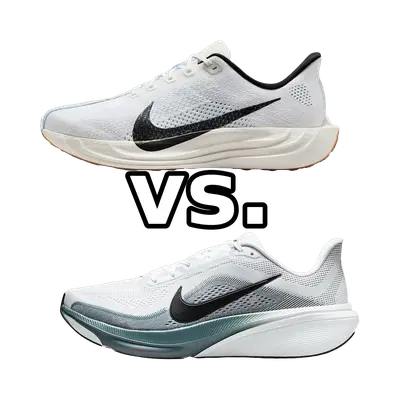
Nike Pegasus Plus vs Nike Pegasus 42
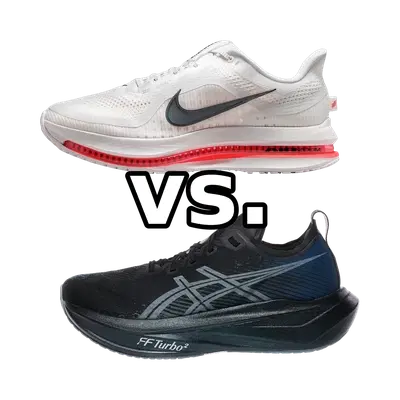
Nike Pegasus Premium vs Asics Megablast
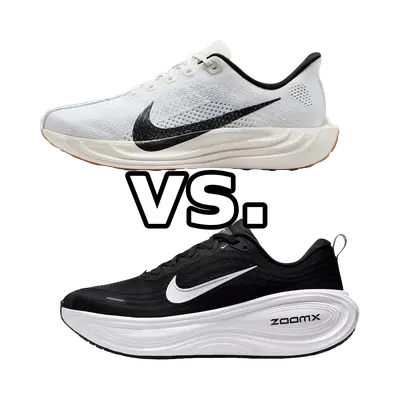
Nike Pegasus Plus vs Nike Vomero Plus
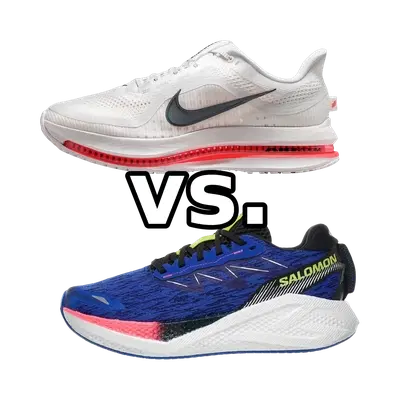
Nike Pegasus Premium vs Salomon Aero Glide 4
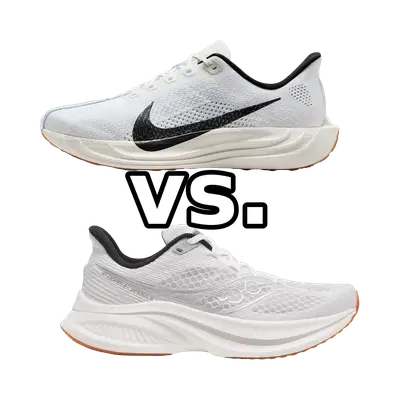
Nike Pegasus Plus vs Saucony Endorphin Speed 5
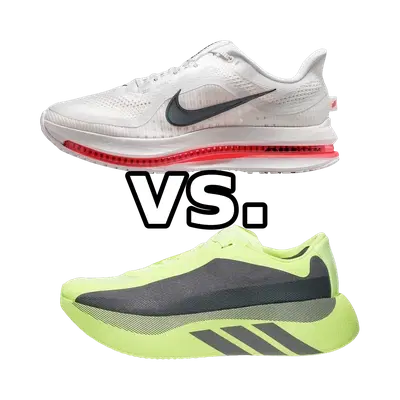
Nike Pegasus Premium vs Adidas Hyperboost Edge
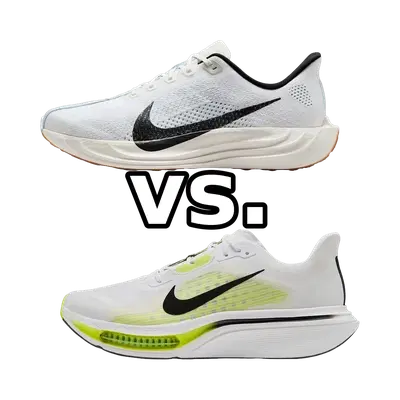
Nike Pegasus Plus vs Nike Pegasus Plus 2
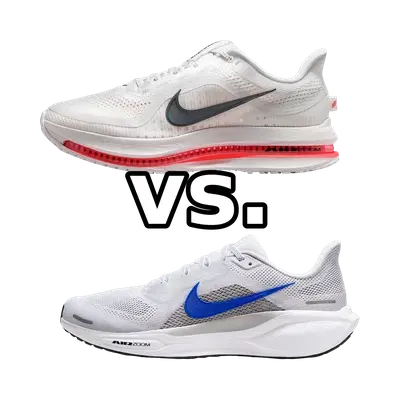
Nike Pegasus Premium vs Nike Pegasus 41
© 2026 longrunshoes.ai | All rights reserved.
Use of materials from this site is permitted only with proper attribution and a link to longrunshoes.ai.