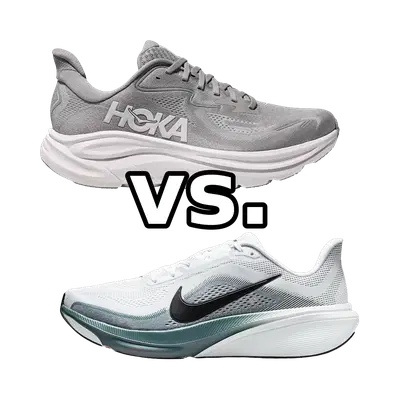
Hoka Clifton 10 vs Hoka Skyflow:
Which to Choose
Verdict
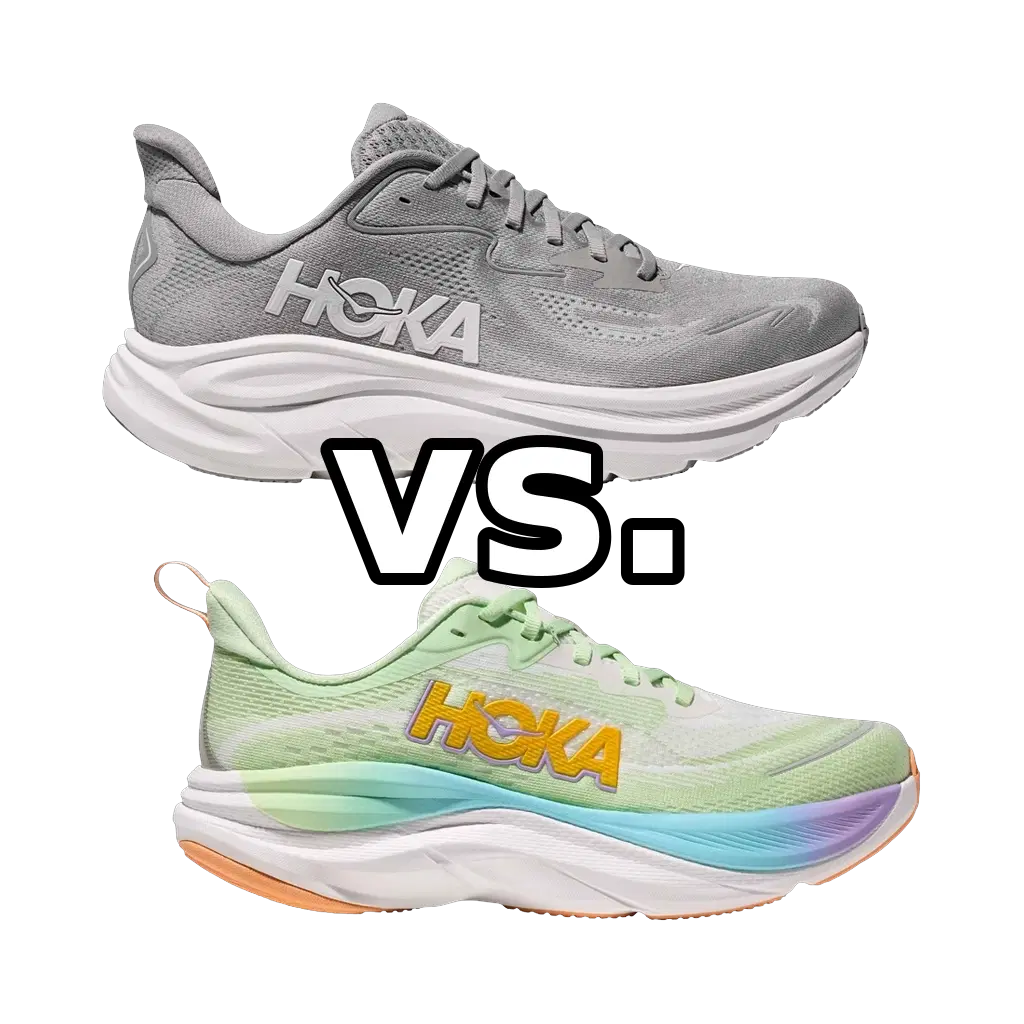
These are genuinely close siblings — same mission, same cushioning, nearly the same weight — so it comes down to feel. Go Clifton 10 for the classic soft-EVA, higher-drop (8mm), ultra-forgiving daily ride; go Skyflow for the springier, more durable supercritical foam, a more stable base, and a lower 5mm drop. If you want planted and resilient, pick the Skyflow; if you want plush and traditional, pick the Clifton 10.
Pace
3 of 6
Cushioning
5 of 6
Responsiveness
3 of 6
Stability
4 of 6
Drop
8 mm
Support
Neutral
Plate
None
Distances
10KHalfMarathon
Pace
3 of 6
Cushioning
5 of 6
Responsiveness
4 of 6
Stability
5 of 6
Drop
5 mm
Support
Stable Neutral
Plate
None
Distances
10KHalfMarathon
At a Glance
Hoka Clifton 10Hoka Skyflow
Who Should Choose Each Shoe
Choose
Hoka Clifton 10
Choose the Clifton 10 if you want the familiar, time-tested Hoka daily trainer: an 8mm drop and a soft, quiet, maximally forgiving ride for long easy miles and marathon training, especially if you're a beginner or recreational runner who prioritizes impact protection over any sense of pop. It's also the pick if a more traditional heel-to-toe transition suits your gait better than a low-drop shoe. Just factor in that the EVA softens with mileage, so the plush feel is a consumable.
Choose
Hoka Skyflow
Choose the Skyflow if you want that same cushioned, long-run comfort but with a more resilient supercritical foam that gives a little more back, a more planted and stable ride, and a lower 5mm drop that keeps you closer to a midfoot feel. It's the better fit for runners who find very soft trainers get wobbly or who want a shoe whose bounce and structure hold up better over high mileage. If you're comfortable in lower-drop shoes and value a settled platform on steady and long runs, this is the one.
Head-to-Head
On paper these two overlap heavily — identical cushioning and pace ratings (5/6 and 3/6), no plate in either, the same best-distance window of 10K through the marathon, and near-identical weight (the Clifton 10 is about 278g and the Skyflow about 283g in men's, so roughly 10 oz either way). The differences that decide it are in the foam and geometry. The Clifton 10 runs a compression-molded EVA midsole: soft, deep, and quiet underfoot, with a wide early-stage meta-rocker that rolls you forward. It's protective rather than springy, so when you push the pace it flattens out and gives less back, and that EVA tends to compress over high mileage — the plush feel can fade before the outsole wears out. The Skyflow uses a supercritical foam instead, which delivers a more resilient, above-average rebound (responsiveness 4/6 vs. the Clifton's 3/6) — still a cruiser, not a launcher, but it feels a touch livelier and more durable underfoot. Geometry also splits them: the Clifton 10 sits at an 8mm drop with a 42mm heel over 34mm forefoot, giving a more traditional, heel-oriented transition, while the Skyflow drops to 5mm on a 39mm/34mm stack — a lower, flatter, more midfoot-biased feel on the same forefoot height. Stability is the Skyflow's edge: at 5/6 (stable-neutral) its wide, framed base feels more planted and settled than the Clifton's still-calm-but-softer 4/6 neutral platform. At the fast end both go vague when you open up, though the Clifton holds together to about 4:45 min/km while the Skyflow starts protesting a bit sooner, around 5:00 min/km.
Similar Comparisons
Hoka Skyflow vs Saucony Hurricane 26
Hoka Clifton 10 vs Saucony Endorphin Azura
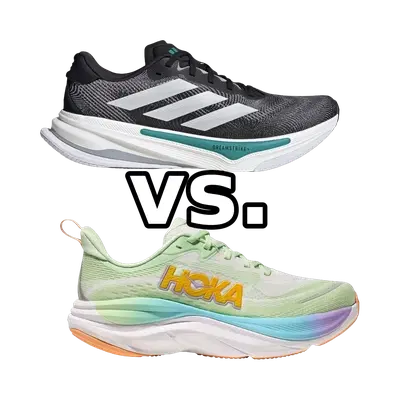
Adidas Supernova Prima 2 vs Hoka Skyflow
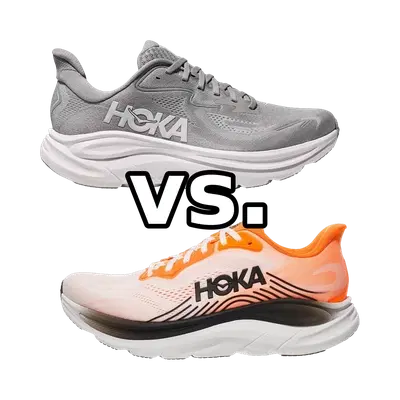
Hoka Clifton 10 vs Hoka Clifton 11
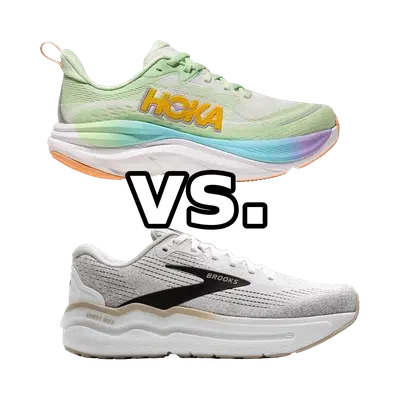
Hoka Skyflow vs Brooks Ghost Max 2
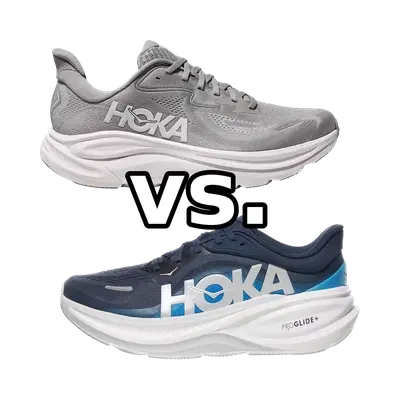
Hoka Clifton 10 vs Hoka Clifton Pro
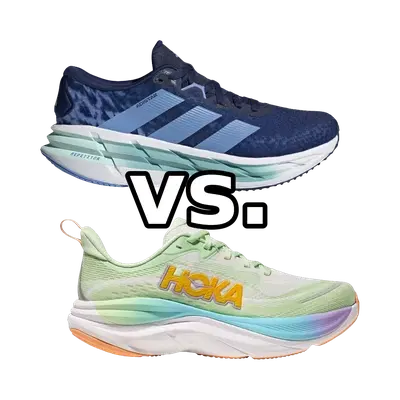
Adidas Adistar 4 vs Hoka Skyflow
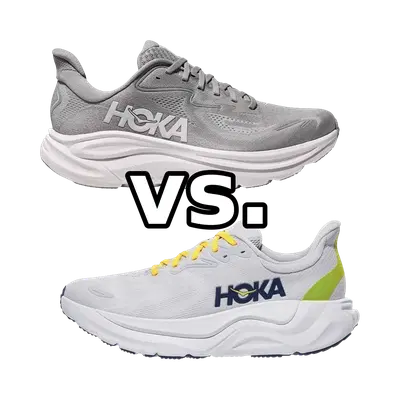
Hoka Clifton 10 vs Hoka Arahi 8
© 2026 longrunshoes.ai | All rights reserved.
Use of materials from this site is permitted only with proper attribution and a link to longrunshoes.ai.