Adidas Adistar 4 vs Hoka Skyflow:
Which to Choose
Verdict
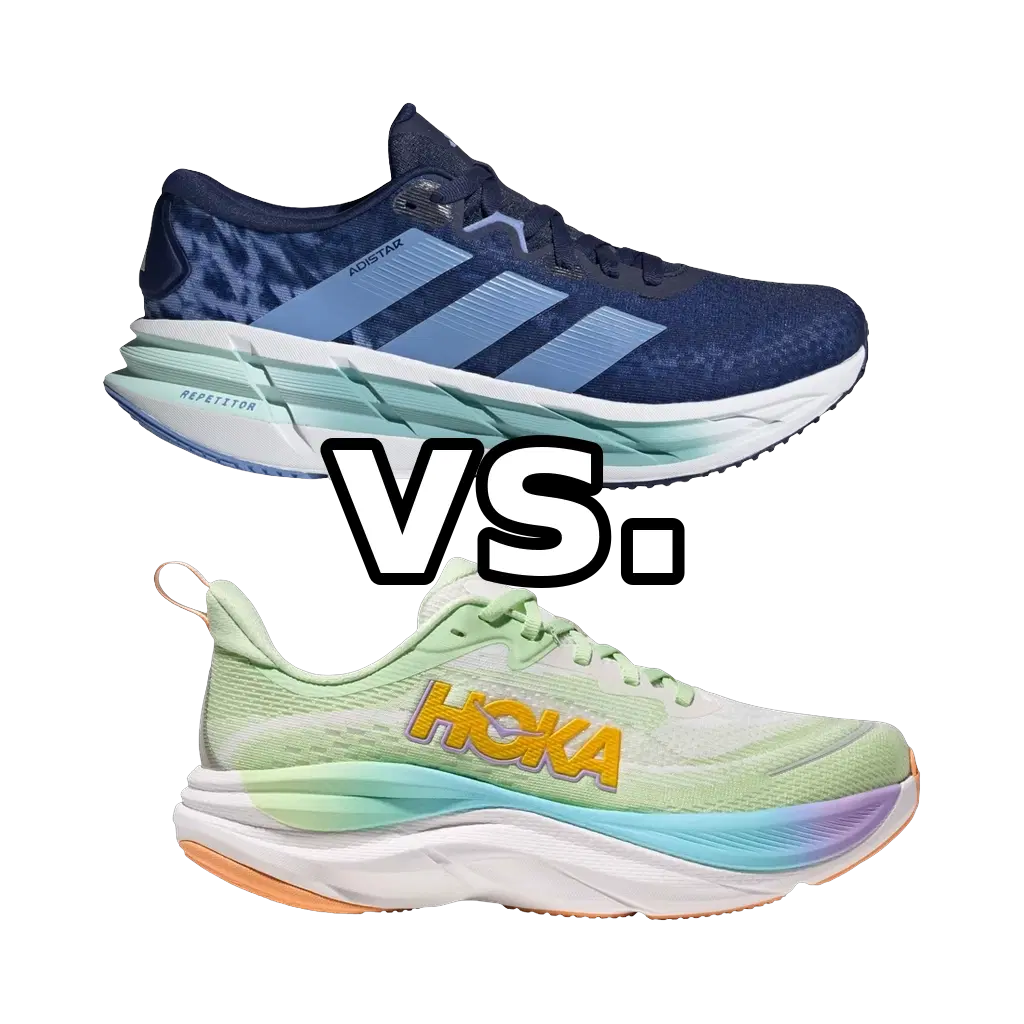
These are close cousins serving the same purpose at the same level, so you won't go wrong either way — the decision hinges on ride feel and range. Pick the Skyflow if you want slightly more rebound and versatility that extends down to the 10K; pick the Adistar 4 if you want the most composed, durable, protective long-run cushioning and you spend nearly all your time at relaxed training paces.
Pace
3 of 6
Cushioning
5 of 6
Responsiveness
3 of 6
Stability
5 of 6
Drop
6 mm
Support
Stable Neutral
Plate
None
Distances
HalfMarathon
Pace
3 of 6
Cushioning
5 of 6
Responsiveness
4 of 6
Stability
5 of 6
Drop
5 mm
Support
Stable Neutral
Plate
None
Distances
10KHalfMarathon
At a Glance
Adidas Adistar 4Hoka Skyflow
Who Should Choose Each Shoe
Choose
Adidas Adistar 4
Choose the Adistar 4 if your priority is maximum, composed protection for easy and long runs and you want a shoe that feels solid, planted, and built to grind out high mileage without the foam breaking down. It's the better pick for the recreational marathoner or half-marathon trainer who runs mostly in the 5:30–6:30 min/km range, values a durable engineered upper and heavy outsole coverage, and isn't bothered that the ride rewards steady rhythm over acceleration.
Choose
Hoka Skyflow
Choose the Skyflow if you want that same cushioned, stable daily-trainer comfort but with a bit more life underfoot and a wider speed range — its supercritical foam gives a gentle rebound that makes steady runs and the occasional pickup to 10K pace feel smoother, holding together down to around 5:00 min/km. It's the stronger option for the neutral runner who wants a single do-most-things shoe from 10K up to the marathon and prefers a lighter-feeling, more resilient ride over a firmer, more protective one.
Head-to-Head
These two are strikingly close on paper — identical cushioning (5/6), identical stability (5/6), the same relaxed pace profile, the same stable-neutral guidance with no corrective posting, and no plate in either — so this isn't a case of one being a protective cruiser and the other a racer. The decisive difference is the foam and the ride it produces. The Adistar 4 uses a dual-density EVA-based setup, pairing firmer Repetitor+ underneath softer Dreamstrike+, which delivers deep, durable, composed protection with honestly medium rebound: it shines when you settle into an unhurried rhythm and starts to feel like a drag much past roughly 5:15 min/km. The Skyflow instead runs on a lighter, more resilient supercritical foam that gives an above-average, gentle push as you roll forward, so it feels a touch livelier and holds together down to about 5:00 min/km. That extra pop is why the Skyflow stretches its useful range down to the 10K, while the Adistar 4 is happiest at half and full marathon distance and on easy miles. Drop is close but not identical — 6mm in the Adistar versus 5mm in the Skyflow — a subtle difference most runners won't notice. On fit and build, the Adistar 4 wraps the foot in a more structured, engineered upper with generous outsole rubber aimed squarely at high-mileage durability, whereas the Skyflow leans on a simpler engineered mesh upper and Hoka's signature wide, framed geometry for its calm, planted stability. In short: same mission, same cushioning and stability, but the Skyflow is the slightly more resilient and versatile of the two, and the Adistar the more overtly protective, durable-feeling slab.
Similar Comparisons
Hoka Skyflow vs Saucony Hurricane 26
Adidas Adistar 4 vs Saucony Guide 19
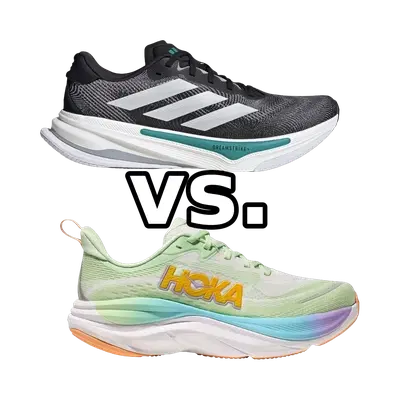
Adidas Supernova Prima 2 vs Hoka Skyflow
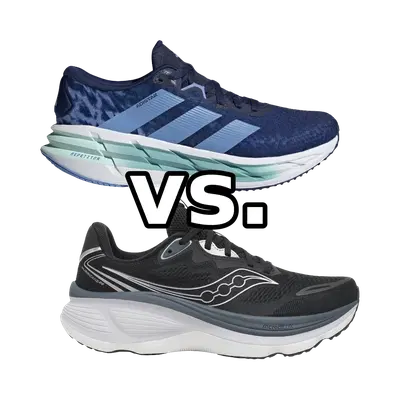
Adidas Adistar 4 vs Saucony Hurricane 26
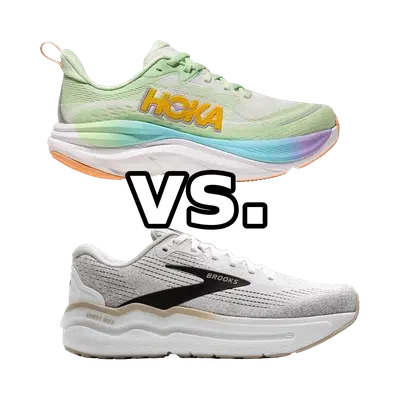
Hoka Skyflow vs Brooks Ghost Max 2
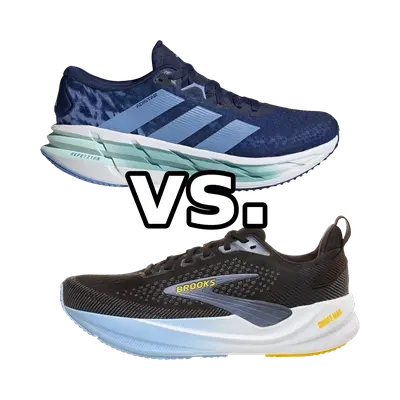
Adidas Adistar 4 vs Brooks Ghost Max 4
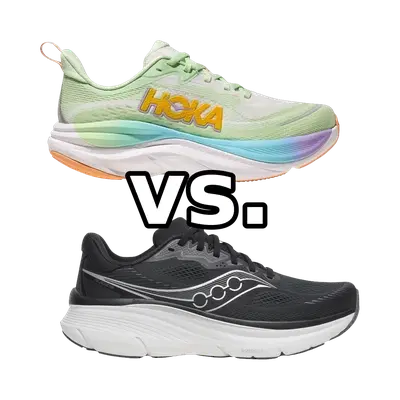
Hoka Skyflow vs Saucony Guide 19
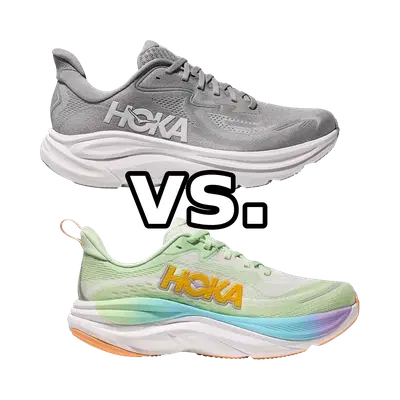
Hoka Clifton 10 vs Hoka Skyflow
© 2026 longrunshoes.ai | All rights reserved.
Use of materials from this site is permitted only with proper attribution and a link to longrunshoes.ai.