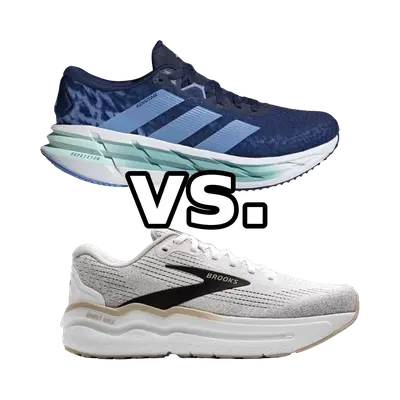
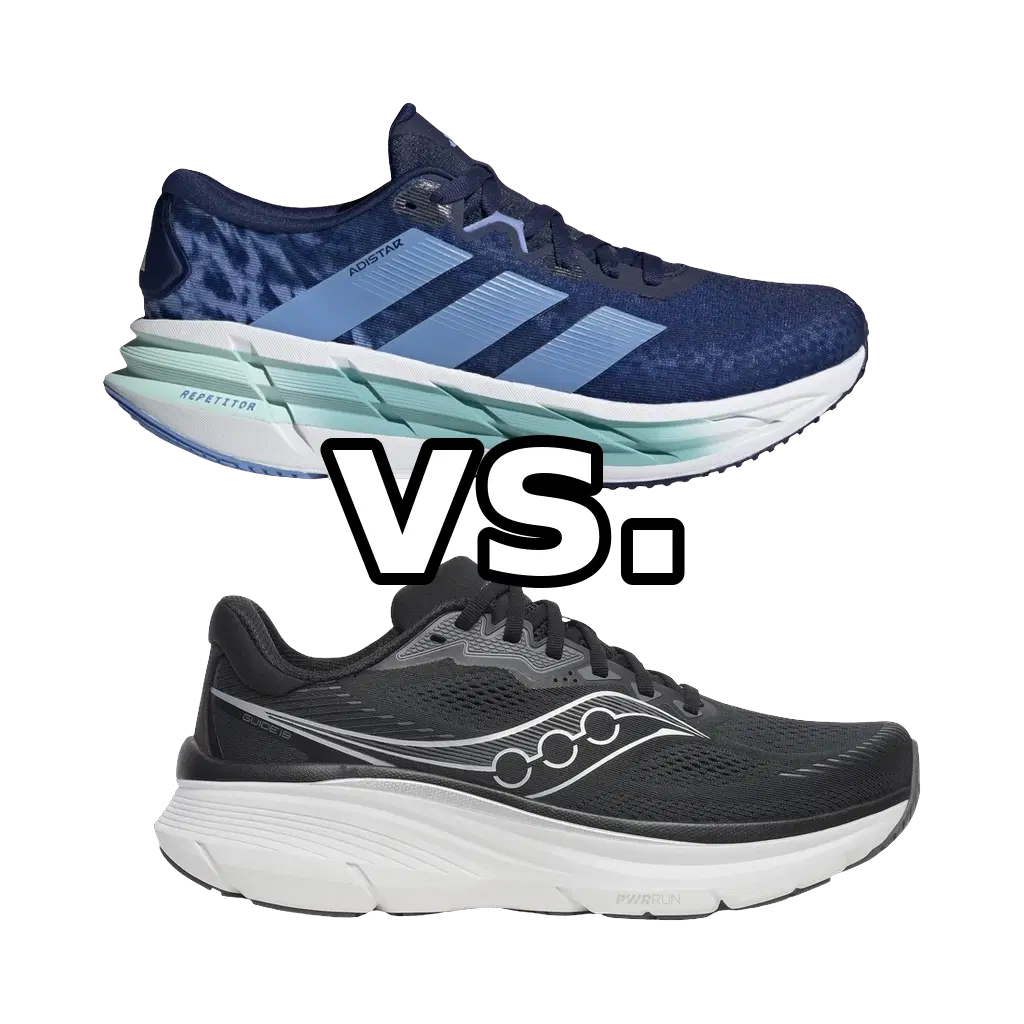
Adidas Adistar 4 vs Saucony Guide 19:
Which to Choose
Verdict
It comes down to stack and support, not speed — both are calm, protective daily trainers that bog down if you push the pace. Go with the Adistar 4 for a taller, deeper-cushioned, slightly lighter ride aimed at long marathon miles with neutral-leaning guidance; go with the Guide 19 for a lower, softer platform with a touch more dedicated stability and a little extra versatility down to the 10K. If you mildly overpronate or want the more secure, cradled feel, the Guide; if you want maximum underfoot protection and the lighter shoe, the Adistar.
Pace
3 of 6
Cushioning
5 of 6
Responsiveness
3 of 6
Stability
5 of 6
Drop
6 mm
Support
Stable Neutral
Plate
None
Distances
HalfMarathon
Pace
3 of 6
Cushioning
5 of 6
Responsiveness
3 of 6
Stability
5 of 6
Drop
6 mm
Support
Stability
Plate
None
Distances
10KHalfMarathon
At a Glance
Adidas Adistar 4Saucony Guide 19
Who Should Choose Each Shoe
Choose
Adidas Adistar 4
Choose the Adistar 4 if you want the maximum-cushion end of this pairing — a taller, deeper stack for pounding out long marathon-training miles and protecting tired legs late in a run. Its dual-density foam and lighter build (about 275g) make it the better fit for a neutral-to-mildly-stable runner who wants plush protection without a shoe that feels overtly corrective, and who spends most of their time in the half-to-marathon range rather than dropping down to shorter efforts.
Choose
Saucony Guide 19
Choose the Guide 19 if you want slightly more deliberate stability — it's the more natural pick for runners who mildly overpronate or simply prefer a planted, cradling platform, with CenterPath sidewalls doing the guidance work rather than a post. Its lower, softer single-foam ride and slightly broader distance range (it handles the 10K as well as the half and marathon) make it a strong everyday base-builder for beginners and experienced runners alike who log a mix of easy and steady miles and want one secure, forgiving trainer to do it all.
Head-to-Head
On paper these two are near-twins: both carry a 6mm drop, no plate, high cushioning, medium responsiveness, and post-free stability, and both have an identical comfortable pace window of about 5:30–6:30 min/km with a top effective zone around 5:15–5:45 before the ride goes leaden. The differences are in the details. The Adistar 4 sits taller — roughly 40mm of stack at the heel versus the Guide 19's measured 37mm heel / 31mm forefoot — and uses a dual-density midsole (firmer Repetitor+ under softer Dreamstrike+), which gives it a deeper, more max-cushioned feel while the two densities keep that tall foam from feeling tippy. The Guide 19 runs a single softer PWRRUN EVA-blend, so it's a touch lower and more uniformly plush, with its stability coming from CenterPath geometry — a wide base and tall sidewalls that cradle the foot. On weight, the Adistar is actually the lighter of the two at about 275g against the Guide's 298g, though both are undeniably substantial shoes that reward settling into a rhythm rather than pushing the pace. The support character diverges slightly too: the Adistar is tuned as stable-neutral, guidance for a neutral-to-mild runner, whereas the Guide leans a hair more toward dedicated stability and is the more natural pick if you mildly overpronate. Finally, range: both cover half and full marathon comfortably, but the Guide 19 also lists the 10K as a home distance, making it marginally the more versatile of the two at shorter steady efforts.
Similar Comparisons
Saucony Guide 18 vs Saucony Guide 19

Adidas Adistar 4 vs Hoka Skyflow
Saucony Ride 19 vs Saucony Guide 19
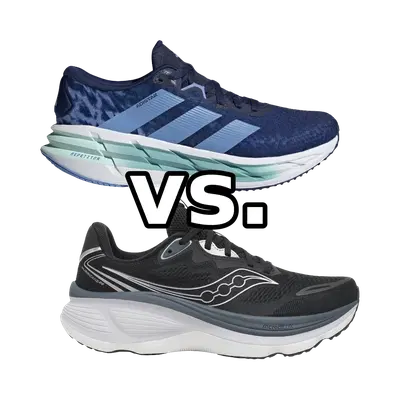
Adidas Adistar 4 vs Saucony Hurricane 26
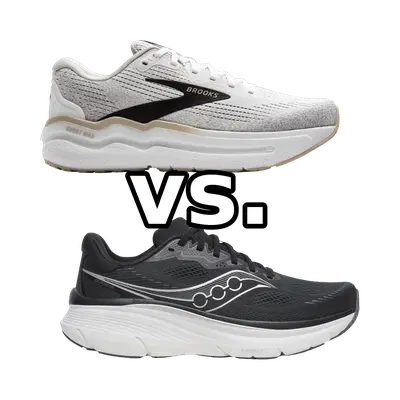
Brooks Ghost Max 2 vs Saucony Guide 19

Adidas Adistar 4 vs Brooks Ghost Max 4
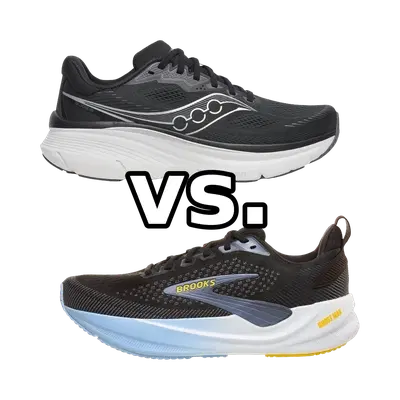
Saucony Guide 19 vs Brooks Ghost Max 4
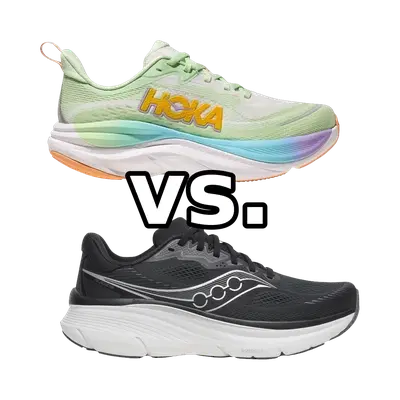
Hoka Skyflow vs Saucony Guide 19
© 2026 longrunshoes.ai | All rights reserved.
Use of materials from this site is permitted only with proper attribution and a link to longrunshoes.ai.