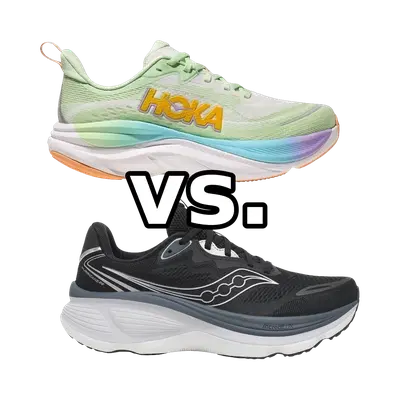
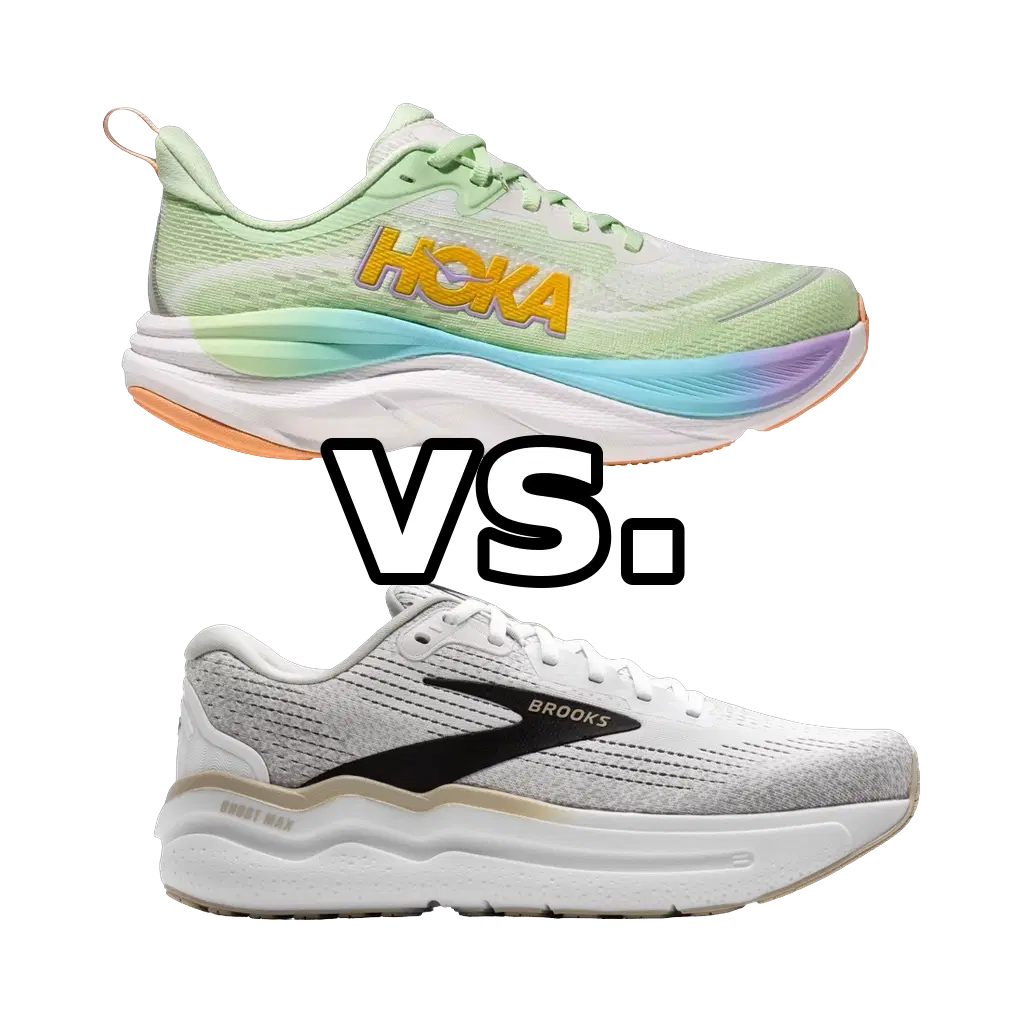
Hoka Skyflow vs Brooks Ghost Max 2:
Which to Choose
Verdict
These are two versions of the same idea — a tall, soft, stable daily cruiser — so you won't go wrong either way, and it comes down to how you train. Pick the Skyflow if you want the more versatile, slightly livelier shoe that still works at faster paces and distances up to the marathon; pick the Ghost Max 2 if you want the softest, most rocker-smooth recovery and easy-day ride and don't need the pace range. If in doubt, let fit decide: the Ghost Max 2 runs roomier, the Skyflow feels lighter and more connected.
Pace
3 of 6
Cushioning
5 of 6
Responsiveness
4 of 6
Stability
5 of 6
Drop
5 mm
Support
Stable Neutral
Plate
None
Distances
10KHalfMarathon
Pace
3 of 6
Cushioning
5 of 6
Responsiveness
3 of 6
Stability
5 of 6
Drop
6 mm
Support
Stable Neutral
Plate
None
Distances
10KHalf
At a Glance
Hoka SkyflowBrooks Ghost Max 2
Who Should Choose Each Shoe
Choose
Hoka Skyflow
Choose the Hoka Skyflow if you want one shoe to cover the widest range of your training — easy and long runs, but also steadier efforts and the occasional marathon-pace stretch — and you'd rather the cushioning have a hint of spring than be purely pillowy. It's the better pick for the neutral runner who logs serious weekly volume and wants a cushioned trainer that doesn't feel dead when the pace creeps up, thanks to its lighter weight and more resilient supercritical foam.
Choose
Brooks Ghost Max 2
Choose the Brooks Ghost Max 2 if your priority is maximum impact protection on easy days, recovery runs, and relaxed long miles, and you're happy letting a rocker do the work rather than chasing rebound. It's especially well suited to beginners building their first consistent weeks and to experienced runners who want a soft, forgiving, roomy-fitting cruiser to cushion their legs between hard sessions — just don't expect it to come alive when you push the pace.
Head-to-Head
On paper these two are strikingly close — both score 5/6 cushioning and 5/6 stability, both are stable-neutral with no medial post, and both live happily at a 5:30–6:30 min/km cruising pace. They even stand at nearly the same height: the men's Skyflow is a 40 mm heel / 35 mm forefoot build (5 mm drop), the men's Ghost Max 2 a 39 mm / 33 mm build (6 mm drop), so both are genuinely tall, max-leaning daily shoes with a barely-there 1 mm drop difference. The real separation is in character. The Skyflow's supercritical foam has a touch more rebound (4/6 responsiveness) and a gentle forward push, so it still feels alive if you lift the pace, holding together down to roughly 5:00 min/km before the softness takes over — which is why it extends up to the marathon. The Ghost Max 2 is the more purely protective of the two (3/6 responsiveness): its DNA Loft v3 foam absorbs impact rather than returning it, and a tall GlideRoll rocker, not the foam, does the work of rolling you through each stride, flowing best up to about 5:30 min/km. It's also the heavier shoe, at roughly 10.8 oz for the men's versus about 10 oz for the Skyflow, reinforcing its recovery-day, cushion-first brief. Fit-wise the Ghost Max 2 leans roomy and breathable with a generous, durable outsole, while the Skyflow pairs its engineered mesh with Hoka's signature wide, framed geometry for that calm, grounded feel.
Similar Comparisons
Brooks Ghost Max 2 vs Brooks Ghost Max 3
Adidas Supernova Prima 2 vs Hoka Skyflow
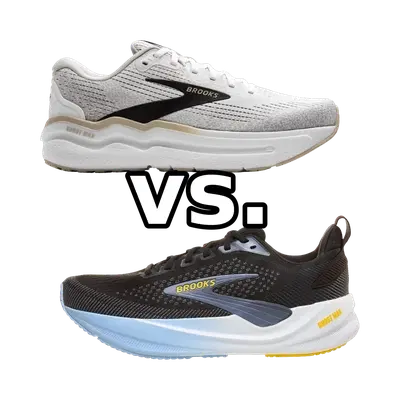
Brooks Ghost Max 2 vs Brooks Ghost Max 4
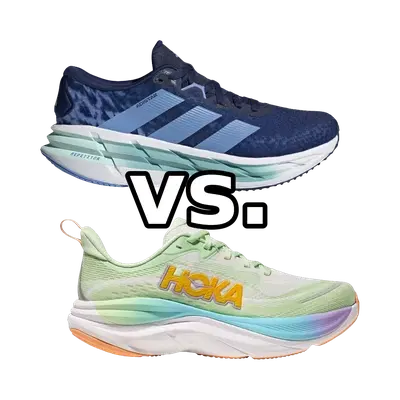
Adidas Adistar 4 vs Hoka Skyflow
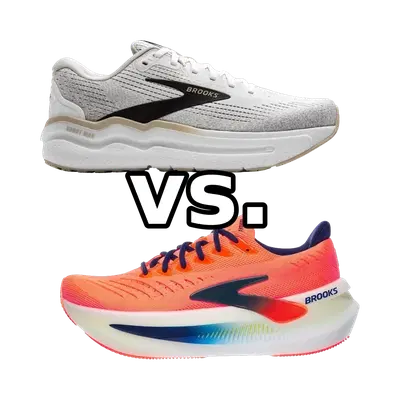
Brooks Ghost Max 2 vs Brooks Glycerin Max 2
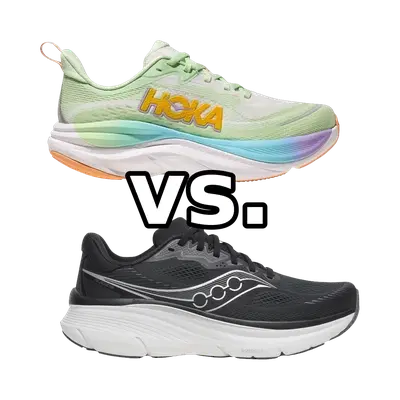
Hoka Skyflow vs Saucony Guide 19
Adidas Adistar 4 vs Brooks Ghost Max 2
Hoka Clifton 10 vs Hoka Skyflow
© 2026 longrunshoes.ai | All rights reserved.
Use of materials from this site is permitted only with proper attribution and a link to longrunshoes.ai.