
Asics Superblast 3 vs Mizuno Neo Vista 3:
Which to Choose
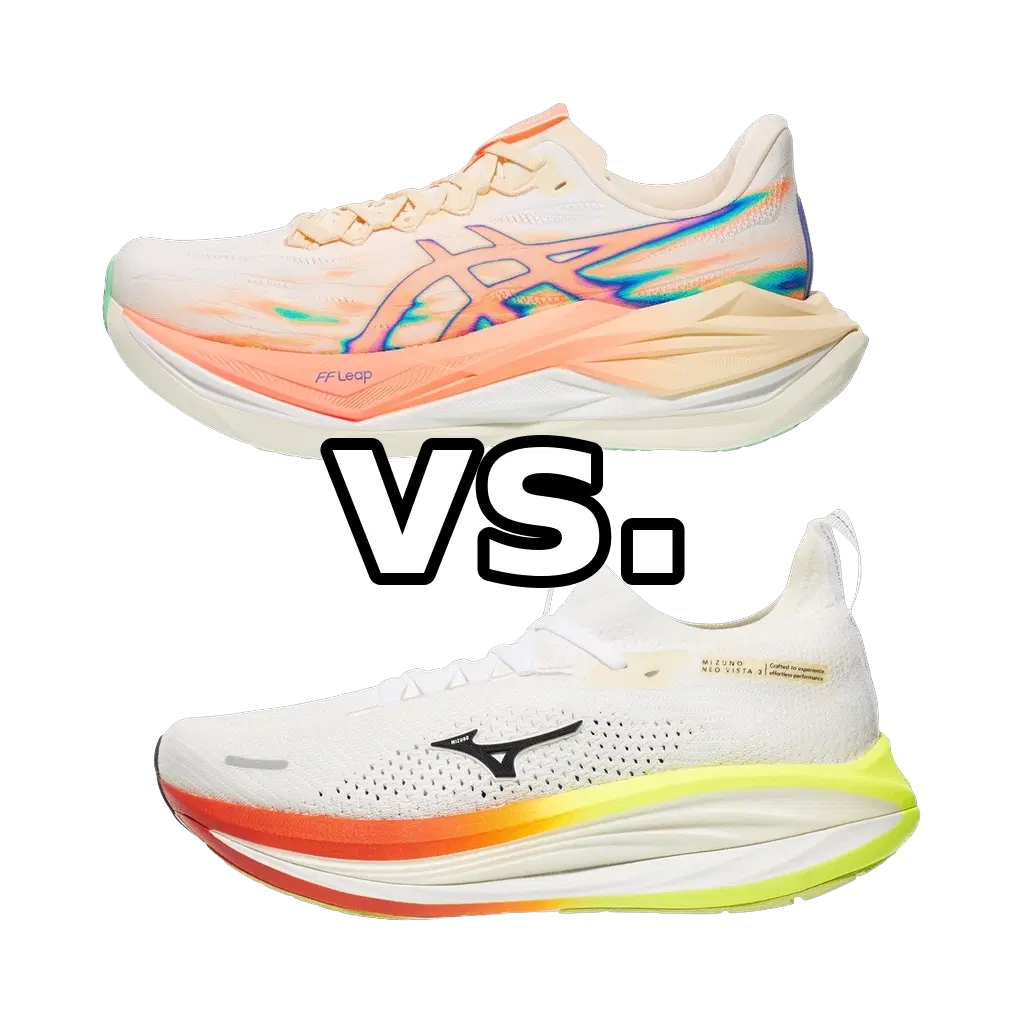
Verdict
It genuinely depends on what you want the shoe to do. If you value light weight and a ride that rewards picking up the pace — and want one shoe that can flex from easy miles to tempo and even racing — the Superblast 3 is the more versatile, faster-leaning choice. If your priority is comfortable, stable, high-mileage cruising and long slow runs where a planted base matters more than snap, the Neo Vista 3 is built for exactly that. Speed-and-versatility points to Asics; protection-and-planted-mileage points to Mizuno.
Pace
5 of 6
Cushioning
6 of 6
Responsiveness
5 of 6
Stability
3 of 6
Drop
8 mm
Support
Neutral
Plate
None
Distances
10KHalfMarathon
Pace
3 of 6
Cushioning
6 of 6
Responsiveness
5 of 6
Stability
4 of 6
Drop
9 mm
Support
Stable Neutral
Plate
Composite
Distances
HalfMarathon
At a Glance
Asics Superblast 3Mizuno Neo Vista 3
Who Should Choose Each Shoe
Choose
Asics Superblast 3
Choose the Superblast 3 if you want a single versatile pair that covers easy days, steady training, and honest tempo work without swapping shoes — a neutral runner who values light weight and a springy, get-faster ride over a firmly planted base. It's the better pick for anyone eyeing 10K-to-marathon efforts who might occasionally use one shoe to actually race, and who doesn't need any pronation control. If your workouts live in the 4:00–4:45 min/km range, this is the more natural fit.
Choose
Mizuno Neo Vista 3
Choose the Neo Vista 3 if you log high weekly mileage and want protection and a smooth, rolling ride over pop — the classic daily-easy and long-run "super trainer." Its wide, planted platform and Wave Plate suit neutral runners who appreciate mild inherent stability and a shoe that stays composed at conversational and steady efforts. It's the stronger option for marathon-distance long runs and time-on-feet base building, provided you accept the extra weight and don't expect it to double as a speed tool.
Head-to-Head
On paper they look like siblings — both rate maximum (6/6) cushioning, high responsiveness, and neutral support — but the details pull them apart. The Superblast 3 sits on a taller 46 mm heel / 38 mm forefoot stack of FF Leap A-TPU over FF Blast+, yet weighs just 235g in a men's US 9; the Neo Vista 3 rides a slightly lower 44 mm heel / 35 mm forefoot dual-layer Enerzy NXT setup but comes in noticeably heavier at 266g. That ~30g gap, despite the Superblast's greater height, is the headline difference: Asics delivers more foam for less weight. Drops are close — 8mm versus 9mm — so both feel balanced underfoot rather than aggressively heel-biased. The bigger structural split is the plate: the Neo Vista 3 uses a 3D-shaped glass-fiber/nylon Wave Plate whose upturned center rolls you forward and adds a planted, stable-neutral feel (4/6 stability, no posting), while the Superblast 3 runs entirely plateless, generating its lively bounce from foam and geometry alone, which keeps it more neutral and a touch more tippy at very slow paces (3/6 stability). Ride intent follows from that: the Superblast 3 comes alive when you press into it and is happiest from roughly 4:00–4:45 min/km, comfortably spanning 10K through the marathon; the Neo Vista 3 is tuned for conversational-to-steady running around 5:00–6:00 min/km, with the marathon-distance long run as its sweet spot and half/marathon as its best race efforts. Push the Neo Vista much past tempo and the plush stack outruns the plate's push, whereas the Superblast keeps rewarding pace right down toward 3:50 min/km before a firmer racer would take over.
Similar Comparisons
Mizuno Neo Vista 2 vs Mizuno Neo Vista 3

Hoka Skyward X vs Asics Superblast 3
Brooks Hyperion Max 3 vs Mizuno Neo Vista 3

Asics Novablast 6 vs Asics Superblast 3

Asics Superblast 2 vs Asics Superblast 3
Asics Superblast 3 vs Asics Megablast

Asics Superblast 3 vs Brooks Hyperion Max 3
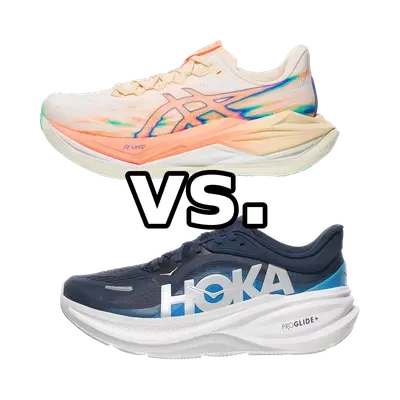
Asics Superblast 3 vs Hoka Clifton Pro
© 2026 longrunshoes.ai | All rights reserved.
Use of materials from this site is permitted only with proper attribution and a link to longrunshoes.ai.