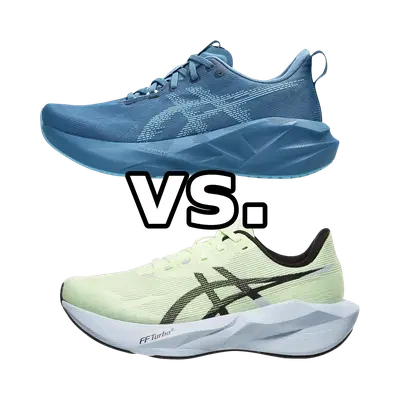
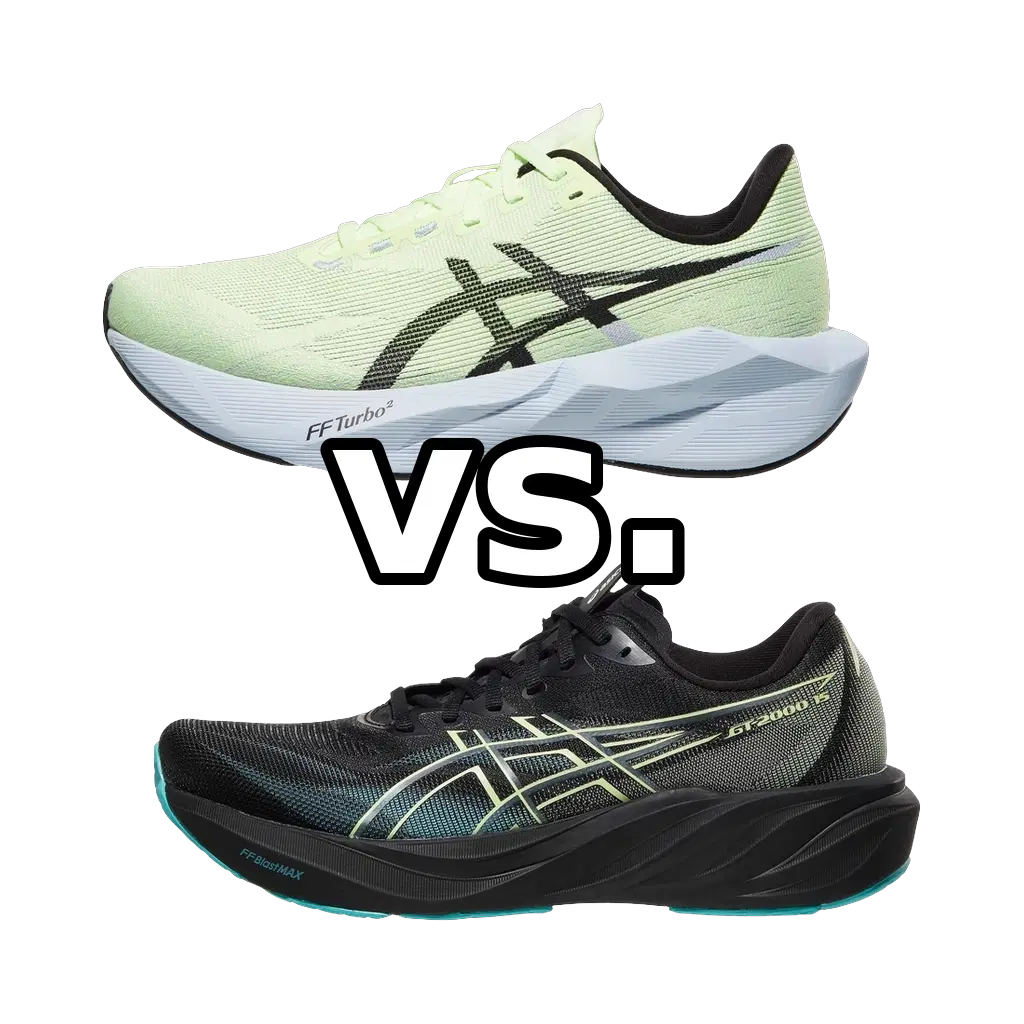
Asics Novablast 6 vs Asics GT-2000 15:
Which to Choose
Verdict
It comes down to support versus springiness. If your gait is neutral and you want a lively, cushioned daily trainer that can lift the pace, take the Novablast 6; if you want genuine stability structure and a firm, dependable ride for consistent training, the GT-2000 15 is built for you. Both cover the same distances well, so let your need for support — not the mileage you run — make the call.
Pace
4 of 6
Cushioning
5 of 6
Responsiveness
5 of 6
Stability
3 of 6
Drop
8 mm
Support
Neutral
Plate
None
Distances
10KHalfMarathon
Pace
3 of 6
Cushioning
4 of 6
Responsiveness
4 of 6
Stability
5 of 6
Drop
8 mm
Support
Stability
Plate
None
Distances
10KHalfMarathon
At a Glance
Asics Novablast 6Asics GT-2000 15
Who Should Choose Each Shoe
Choose
Asics Novablast 6
Choose the Novablast 6 if you're a neutral runner who wants one energetic, high-cushion shoe for most of the week and enjoys a soft, bouncy ride that rewards a quicker cadence on tempo days. It's the better pick for beginners and experienced runners alike who don't need pronation support and want a little extra snap at the half and marathon, and it's the lighter of the two if grams matter to you.
Choose
Asics GT-2000 15
Choose the GT-2000 15 if you mildly overpronate or simply prefer a planted, structured ride, and you value composure and support over bounce as you log steady daily mileage. It's the smarter choice for new and intermediate runners building volume who want a stable, predictable workhorse — and for anyone who finds the Novablast's tall neutral stack feels unsteady underfoot when fatigued.
Head-to-Head
Despite sharing a foam name, these two feel genuinely different on foot. The Novablast 6 runs its FF Blast Max soft, bouncy, and lively, with an extra forefoot pod (FF Turbo Squared) that kicks back rebound on toe-off — it scores higher for responsiveness (5/6 vs 4/6) and cushioning feel (5/6 vs 4/6), and it rewards a quicker cadence. The GT-2000 15 tunes the same foam firm and controlled: the ride is composed and predictable with more ground feel, but it never feels truly springy, which is the honest trade-off for its support. Stability is where they diverge most sharply — the GT-2000 is a true stability-category shoe (5/6) with a wide, structured platform for mild overpronators, while the Novablast is neutral (3/6) and, on its tall stack, can feel a touch tippy at slow, flat-footed paces when you're tired. Weight and geometry are close: the Novablast is lighter at 249g (men's US 9) against roughly 252–258g for the GT-2000, both ride on tall stacks around 39–40mm at the heel and 32mm at the forefoot, and the drops are nearly identical at 7mm versus 8mm. Both are plateless, both handle 10K through marathon with the half as a sweet spot, but the Novablast's optimal daily zone is quicker (around 4:30–5:30 min/km) than the GT-2000's more relaxed 5:30–6:30 min/km — reflecting that one is built to feel peppy and the other to feel dependable.
Similar Comparisons
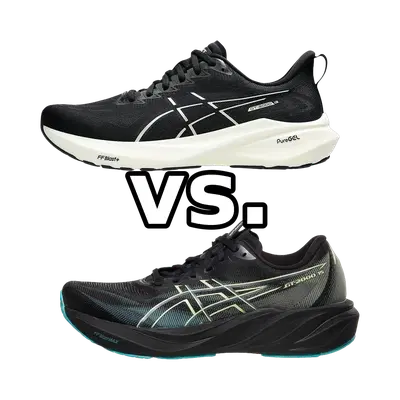
Asics GT-2000 13 vs Asics GT-2000 15
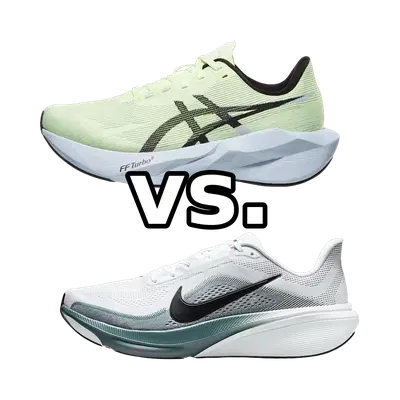
Asics Novablast 6 vs Nike Pegasus 42
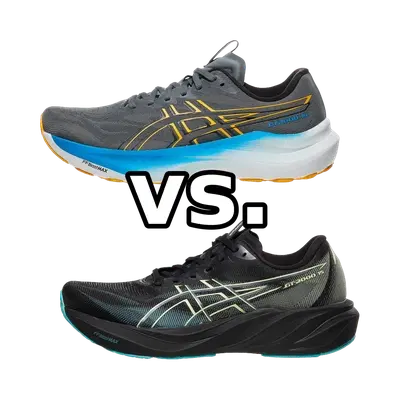
Asics GT-2000 14 vs Asics GT-2000 15
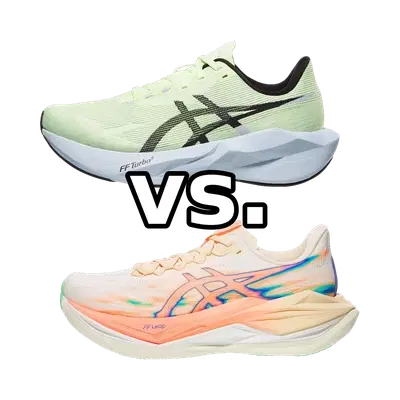
Asics Novablast 6 vs Asics Superblast 3
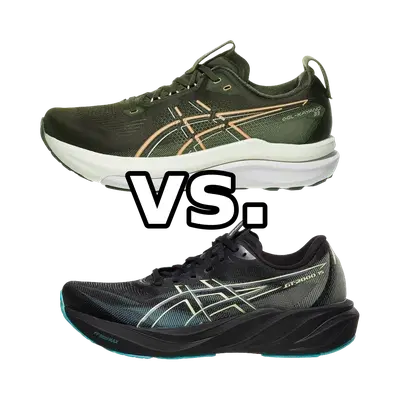
Asics Gel-Kayano 33 vs Asics GT-2000 15
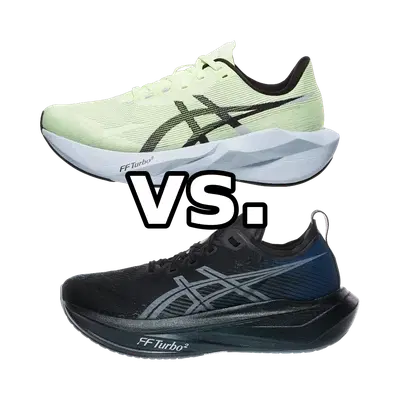
Asics Novablast 6 vs Asics Megablast
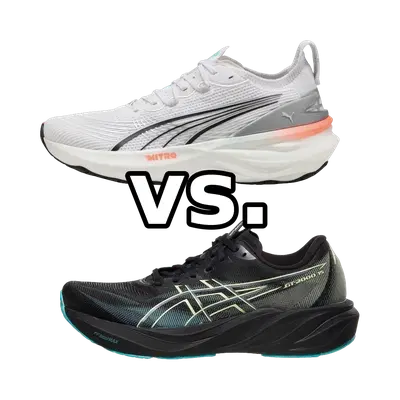
Puma ForeverRun Nitro 2 vs Asics GT-2000 15
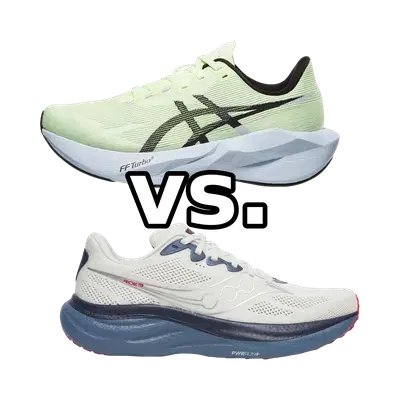
Asics Novablast 6 vs Saucony Ride 19
© 2026 longrunshoes.ai | All rights reserved.
Use of materials from this site is permitted only with proper attribution and a link to longrunshoes.ai.