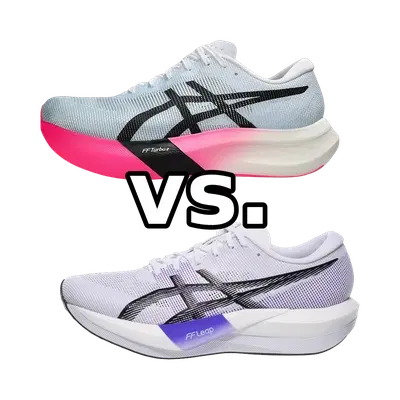
Asics Magic Speed 5 vs Saucony Endorphin Speed 5:
Which to Choose
Verdict
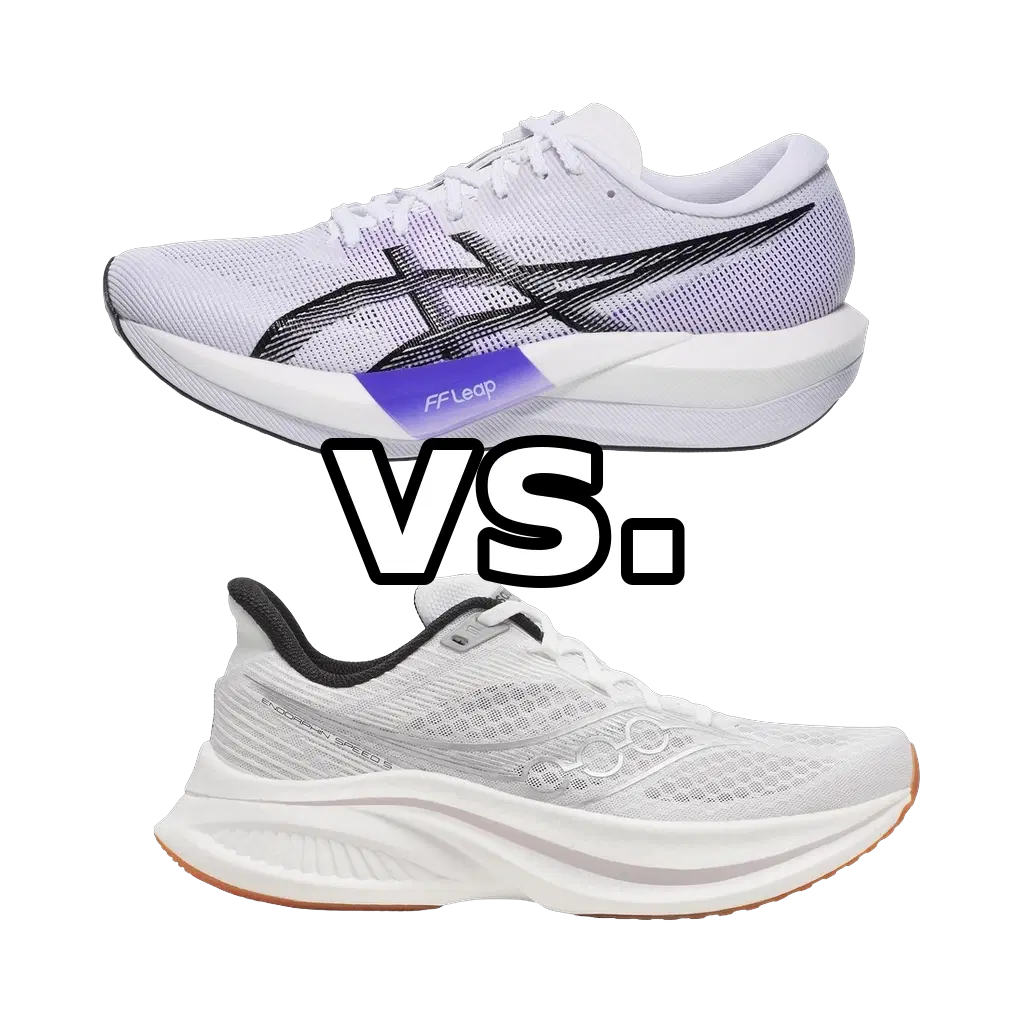
It genuinely depends on two things: your longest race and the ride you enjoy. If you're a 5K-to-half runner who wants the lightest, firmest, most aggressive feel and a crisp carbon snap, take the Magic Speed 5. If you need a shoe that also handles the marathon and you'd rather have softer, deeper PEBA cushioning with smoother, more forgiving transitions, the Endorphin Speed 5 is the more versatile choice — and the safer one-shoe pick for most training weeks.
Pace
5 of 6
Cushioning
4 of 6
Responsiveness
5 of 6
Stability
3 of 6
Drop
7 mm
Support
Neutral
Plate
Carbon
Distances
5K10KHalf
Pace
5 of 6
Cushioning
5 of 6
Responsiveness
5 of 6
Stability
3 of 6
Drop
8 mm
Support
Neutral
Plate
Composite
Distances
10KHalfMarathon
At a Glance
Asics Magic Speed 5Saucony Endorphin Speed 5
Who Should Choose Each Shoe
Choose
Asics Magic Speed 5
Choose the Magic Speed 5 if your racing lives at 5K through the half and the 10K is your bread and butter — it's the lighter, firmer, snappier of the two, and its carbon plate delivers a sharper kick when you load it at speed. It's ideal for an improving runner doing dedicated tempo and interval sessions who wants an aggressive, responsive shoe that holds good form honest rather than a plush cruiser. If you value a low, connected, grounded feel and a bit less shoe underfoot, this is your pick.
Choose
Saucony Endorphin Speed 5
Choose the Endorphin Speed 5 if you want one shoe to span tempo days, long marathon-training miles, and race day up to the full marathon. Its full PEBA midsole and flexible nylon plate give a softer, bouncier, more forgiving ride that stays comfortable deep into long efforts and transitions smoothly instead of demanding a fast, stiff cadence. It's the better fit for intermediate-to-experienced runners who prioritize versatility and long-distance protection over the last ounce of short-race snap.
Head-to-Head
On paper these two look like siblings: 8mm drop, 27mm forefoot stacks, neutral support, and matching 5/6 responsiveness scores. The differences are in the drivetrain. The Magic Speed 5 uses a partial, forked carbon plate over a firmer, EVA-based FF Blast+ base (with a springy FF Leap top layer), and the result is a snappy, grounded, grab-the-road ride that clearly wants to move — quick and rolling at speed, but stiff and a little flat when you slow to a jog. The Endorphin Speed 5 instead runs a full-length semi-rigid winged nylon plate over beaded PWRRUN PB (PEBA) foam, so it guides rather than snaps: softer, bouncier, and smoother through toe-off, with more give that makes it friendlier across a wider range of paces. That foam gap shows in the cushioning scores (4/6 for the Asics, 5/6 for the Saucony) and in intent — the Magic Speed is the firmer, more purposeful tempo and short-race tool, while the Endorphin Speed is built to also absorb long marathon-training miles. Weight favors the Asics: it comes in at 201g in a men's US 9 versus 241g for the Saucony, a real ~40g edge that reinforces its leaner, racier character, and its heel stack is a touch lower (35mm vs 37mm). Best-distance billing tells the same story from the other end — the Magic Speed 5 tops out at the half with the 10K as its sweet spot, whereas the Endorphin Speed 5 stretches up to the full marathon with the half as its sweet spot. Both share the same optimal tempo window and a breathable engineered mesh upper, so fit and breathability are a wash; the deciding axes are plate feel, cushioning depth, weight, and how long your longest effort is.
Similar Comparisons
Saucony Endorphin Speed 4 vs Saucony Endorphin Speed 5
Asics Magic Speed 4 vs Asics Magic Speed 5
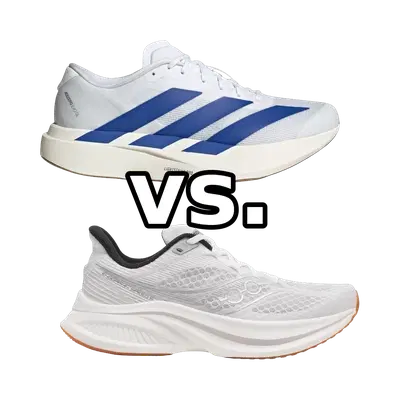
Adidas Adizero Evo SL vs Saucony Endorphin Speed 5
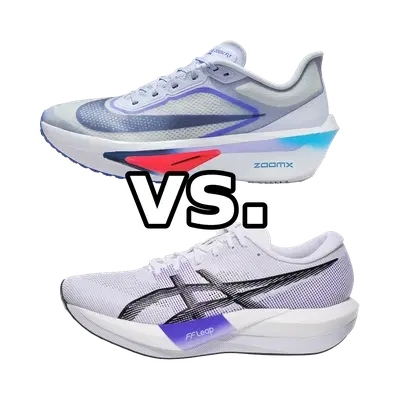
Nike Zoom Fly 6 vs Asics Magic Speed 5
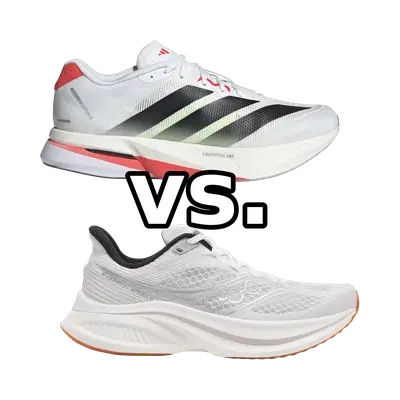
Adidas Adizero Boston 13 vs Saucony Endorphin Speed 5
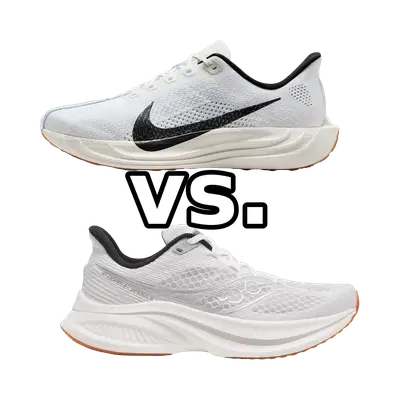
Nike Pegasus Plus vs Saucony Endorphin Speed 5
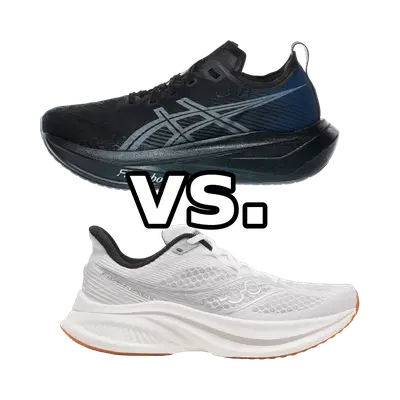
Asics Megablast vs Saucony Endorphin Speed 5
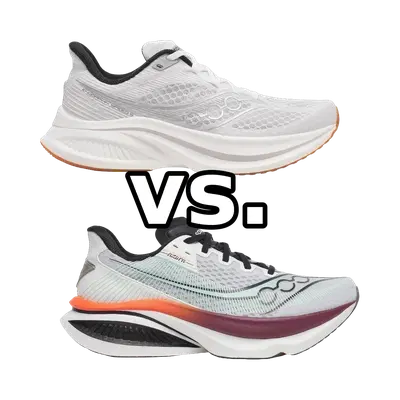
Saucony Endorphin Speed 5 vs Saucony Endorphin Azura
© 2026 longrunshoes.ai | All rights reserved.
Use of materials from this site is permitted only with proper attribution and a link to longrunshoes.ai.