Adidas Adizero Boston 13 vs Saucony Endorphin Speed 5:
Which to Choose
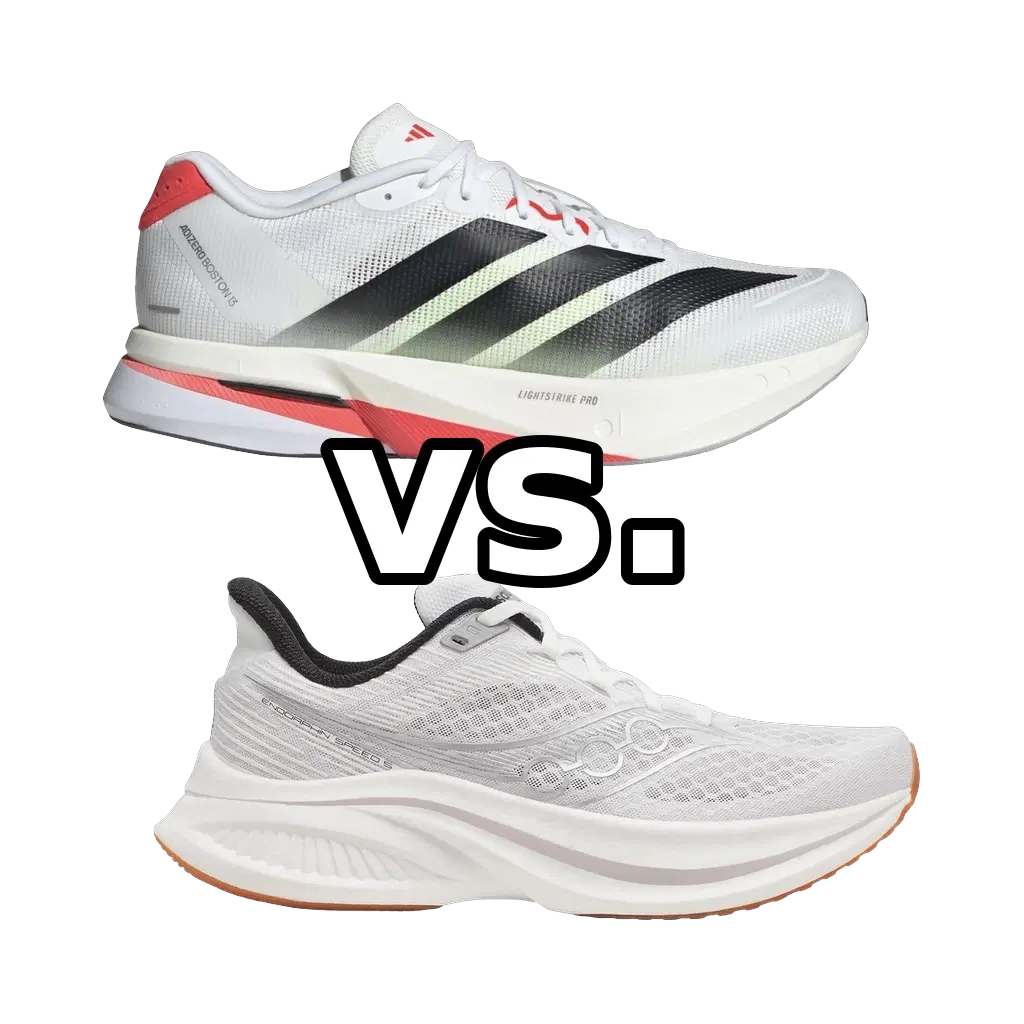
Verdict
These are close cousins, not opposites, so it genuinely comes down to ride preference: go Boston 13 for a firmer, more stable, rod-driven pop with a lower 6mm drop, or Endorphin Speed 5 for a softer, springier, more flexible and slightly lighter ride with a higher 8mm drop. If you want your fast trainer to feel planted and propulsive and lean marathon, take the Boston; if you want it forgiving, bouncy, and versatile across paces, take the Speed 5.
Pace
5 of 6
Cushioning
5 of 6
Responsiveness
5 of 6
Stability
4 of 6
Drop
6 mm
Support
Neutral
Plate
Composite
Distances
10KHalfMarathon
Pace
5 of 6
Cushioning
5 of 6
Responsiveness
5 of 6
Stability
3 of 6
Drop
8 mm
Support
Neutral
Plate
Composite
Distances
10KHalfMarathon
At a Glance
Adidas Adizero Boston 13Saucony Endorphin Speed 5
Who Should Choose Each Shoe
Choose
Adidas Adizero Boston 13
Choose the Boston 13 if you want the firmer, more planted, more propulsive of the two — the rod-driven roll rewards a snappy cadence and the firmer base and wider platform make it the steadier ride, so it's the better pick for runners who want that little extra stability from a neutral shoe. Its lower 6mm drop and slightly deeper forefoot foam favor midfoot strikers and anyone who likes a race-leaning, marathon-focused trainer that feels quick and connected. If your fastest efforts sit around 3:40-4:00/km and you want one shoe for tempo work and long race-pace miles, this is it.
Choose
Saucony Endorphin Speed 5
Choose the Endorphin Speed 5 if you want the softer, bouncier, more flexible ride — the full PEBA midsole and forgiving winged nylon plate make transitions smooth rather than stiff, and it's the lighter shoe and the more comfortable one at a wider range of paces. Its higher 8mm drop suits heel and midfoot strikers who want a taller, more cushioned platform for long marathon-training blocks. Pick it if you value do-everything versatility and a forgiving, less demanding feel over the Boston's firmer, more insistent snap.
Head-to-Head
On the numbers they are close but not identical. The Endorphin Speed 5 is the lighter of the two at 241g against roughly 254g for the Boston 13, and it runs a taller, higher 8mm drop (near 10mm in practice) versus the Boston's lower 6mm offset — you sit a touch higher in the heel on the Saucony (about 37mm) than on the Adidas (about 34mm), while the Boston keeps slightly more foam under the forefoot, which suits runners who like to feel connected to the ground up front. The bigger split is structural. The Boston pairs a soft PEBA-class Lightstrike Pro top layer over a firmer Lightstrike 2.0 carrier and threads glass-fiber EnergyRods through it, so the ride is dual-density, planted, and quick to roll — the rods snap you forward and reward a faster cadence, and the firmer base plus a broad platform give it the edge in stability (4/6 vs 3/6). The Speed 5 goes all-in on full-length beaded PWRRUN PB (PEBA) with a semi-rigid winged nylon plate that guides rather than snaps; the result is softer, bouncier, and more flexible, smoother and more forgiving at toe-off but a little less locked-down than the Boston's firmer chassis. In feel, the Boston can read as stiff and busy at true easy-jog pace and comes alive when you push into its 3:50-4:30/km zone, with the half-to-marathon as its sweet spot; the Speed 5 also prefers a rhythm (its optimal band sits slightly slower at 4:00-4:45/km) and shines best at the half. Both wear breathable engineered mesh uppers, both use composite rather than carbon plates, and neither is a plush recovery cruiser.
Similar Comparisons
Saucony Endorphin Speed 4 vs Saucony Endorphin Speed 5
Adidas Adizero Boston 13 vs Nike Vomero Plus
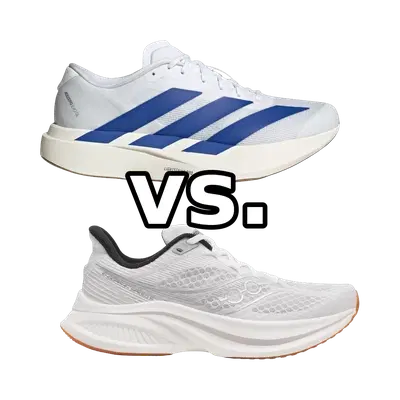
Adidas Adizero Evo SL vs Saucony Endorphin Speed 5
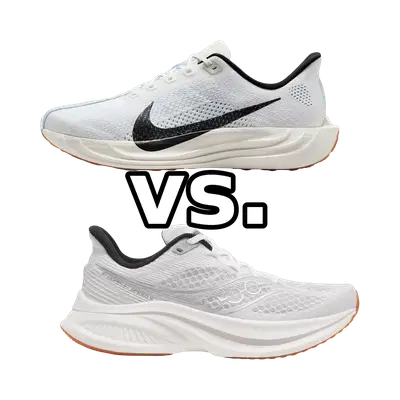
Nike Pegasus Plus vs Saucony Endorphin Speed 5
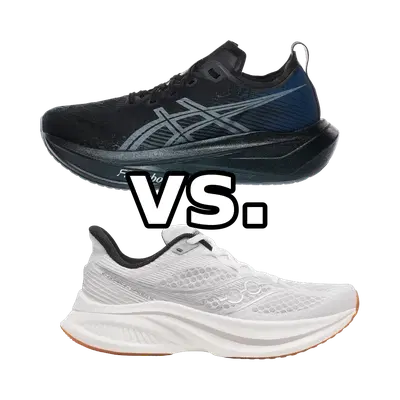
Asics Megablast vs Saucony Endorphin Speed 5
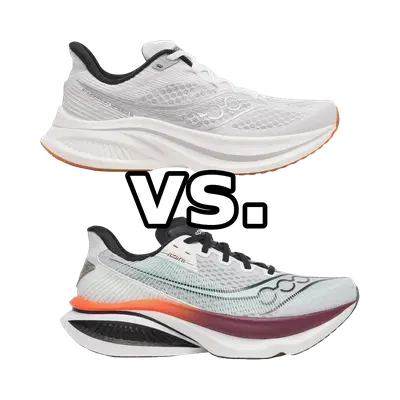
Saucony Endorphin Speed 5 vs Saucony Endorphin Azura
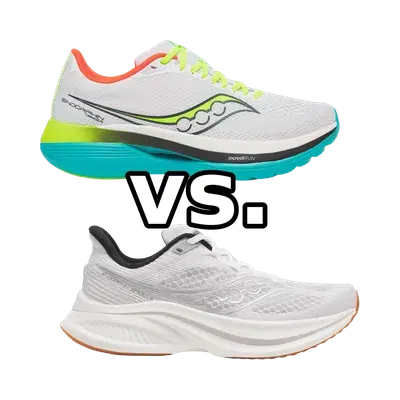
Saucony Endorphin Trainer vs Saucony Endorphin Speed 5
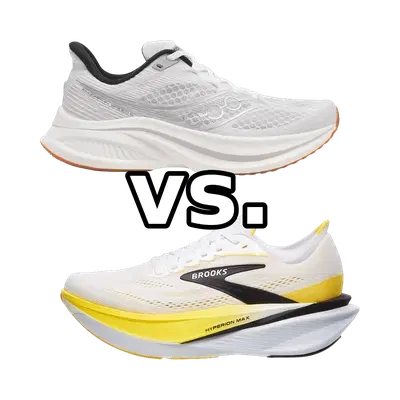
Saucony Endorphin Speed 5 vs Brooks Hyperion Max 4
© 2026 longrunshoes.ai | All rights reserved.
Use of materials from this site is permitted only with proper attribution and a link to longrunshoes.ai.