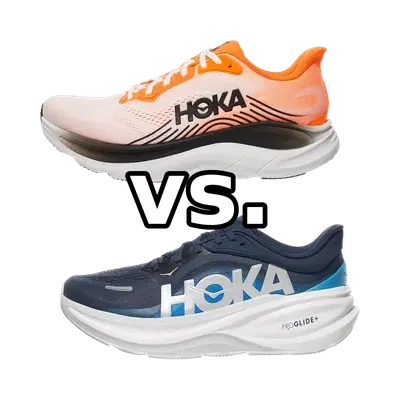
Saucony Tempus 2 vs Hoka Clifton Pro:
Which to Choose
Verdict
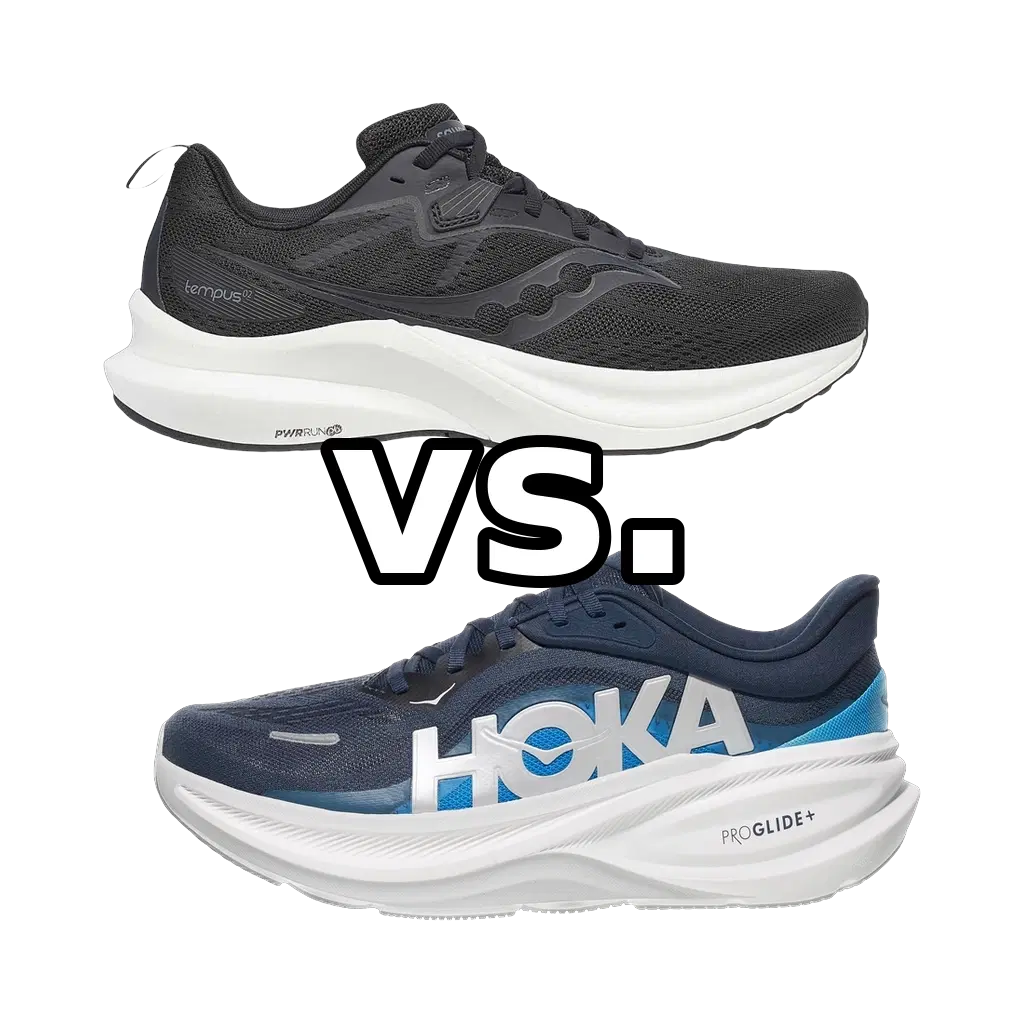
These two are close enough in weight, drop, cushioning, and intended distances that the decision comes down to one thing: support and ride mechanism. If you want guidance and a planted frame — especially as a mild overpronator — the Tempus 2 is the clear answer. If you run neutral and prefer a taller, rocker-driven cushioned ride that rolls you forward, the newer Clifton Pro is the better fit. Match the shoe to your foot's needs, not the spec sheet, because on paper they're nearly the same shoe.
Pace
4 of 6
Cushioning
5 of 6
Responsiveness
5 of 6
Stability
5 of 6
Drop
8 mm
Support
Stability
Plate
None
Distances
10KHalfMarathon
Pace
4 of 6
Cushioning
5 of 6
Responsiveness
5 of 6
Stability
4 of 6
Drop
8 mm
Support
Stable Neutral
Plate
None
Distances
10KHalfMarathon
At a Glance
Saucony Tempus 2Hoka Clifton Pro
Who Should Choose Each Shoe
Choose
Saucony Tempus 2
Choose the Tempus 2 if you mildly overpronate or simply prefer a planted, secure platform that holds its line when you fatigue — it's a stability shoe that never feels clunky or posted. It's the pick for the steady-miles-and-tempo runner logging 10Ks, halfs, and marathons who wants a springy PEBA pop kept in check by a guiding frame, rather than a purely neutral cruiser. If you've bounced off traditional medial-post stability trainers as too corrective, this is the one to try.
Choose
Hoka Clifton Pro
Choose the Clifton Pro if you're a neutral runner who wants one do-most-things cushioned trainer for easy miles, longer efforts, and the occasional pickup, and you like a rocker that carries you through the stride. Its taller, more maximal stack and MetaRocker geometry reward a rolling gait and shine most at the half marathon, so it suits runners who prefer smooth, protective forward momentum over a firm, ground-connected feel. Skip it if you need pronation support or dislike a rocker at very slow paces.
Head-to-Head
Start with what's shared, because it's a lot: identical 8mm drop, no plate in either, near-identical weight (both land at about 264g / 9.3 oz for a men's 9), matching cushioning and responsiveness, and the same best-distance window of 10K, half, and marathon. Where they split is the midsole recipe and, more importantly, the support philosophy. The Tempus 2 wraps a bouncy PWRRUN PB (PEBA) core inside a firmer PWRRUN EVA frame — that frame is the shoe's whole point, delivering guidance through geometry rather than a traditional medial post, so it stays planted and wobble-free when your form gets sloppy late in a run. It's rated a full stability shoe and suits mild overpronators. The Clifton Pro takes a different path: a ProGlide+ supercritical EVA midsole sitting on a taller, more maximal platform (43/33mm heel/forefoot), with an aggressive MetaRocker that tips you forward and does the transition work for you. It's stable-neutral — a wide, secure base with no posting — meant for neutral runners. So the divide is roll versus frame: the Clifton Pro's rocker geometry drives a smooth forward tumble that can feel a touch insistent at shuffling paces, while the Tempus 2's energy comes from a springy PEBA pop reined in by its supportive chassis, giving a bouncy-but-controlled feel. Both firm up rather than sink in, and neither wants to go below roughly 4:15–4:20 min/km before a dedicated racer serves better. The PEBA core gives the Tempus 2 a livelier, more resilient rebound underfoot; the Clifton Pro trades a little of that liveliness for its taller, more protective, roll-you-through stack.
Similar Comparisons
Asics Superblast 3 vs Hoka Clifton Pro
Nike Vomero Plus vs Hoka Clifton Pro
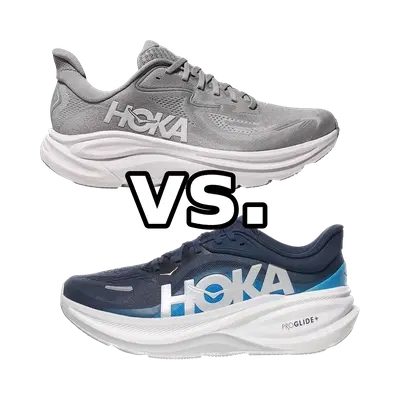
Hoka Clifton 10 vs Hoka Clifton Pro
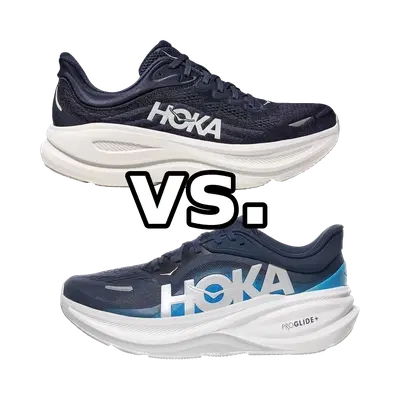
Hoka Bondi 9 vs Hoka Clifton Pro
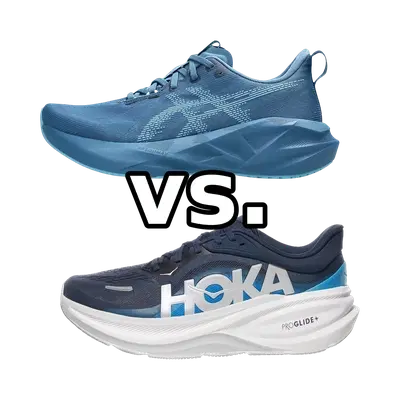
Asics Novablast 5 vs Hoka Clifton Pro
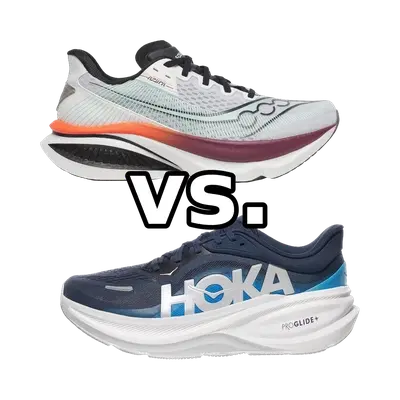
Saucony Endorphin Azura vs Hoka Clifton Pro
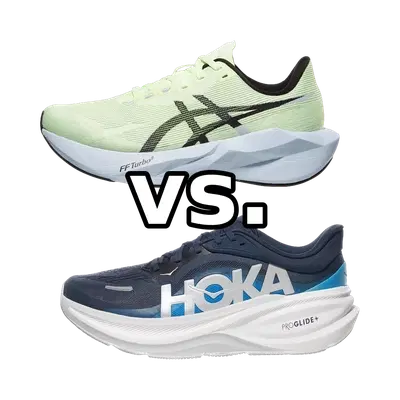
Asics Novablast 6 vs Hoka Clifton Pro
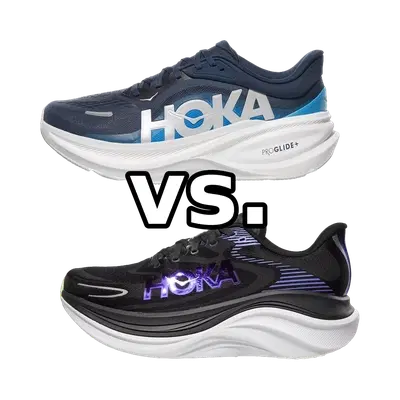
Hoka Clifton Pro vs Hoka Skyward X 2
© 2026 longrunshoes.ai | All rights reserved.
Use of materials from this site is permitted only with proper attribution and a link to longrunshoes.ai.