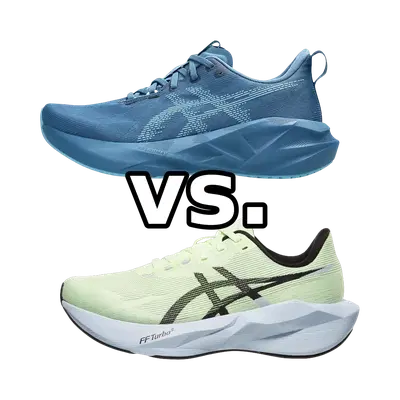
Asics Novablast 6 vs Hoka Clifton Pro:
Which to Choose
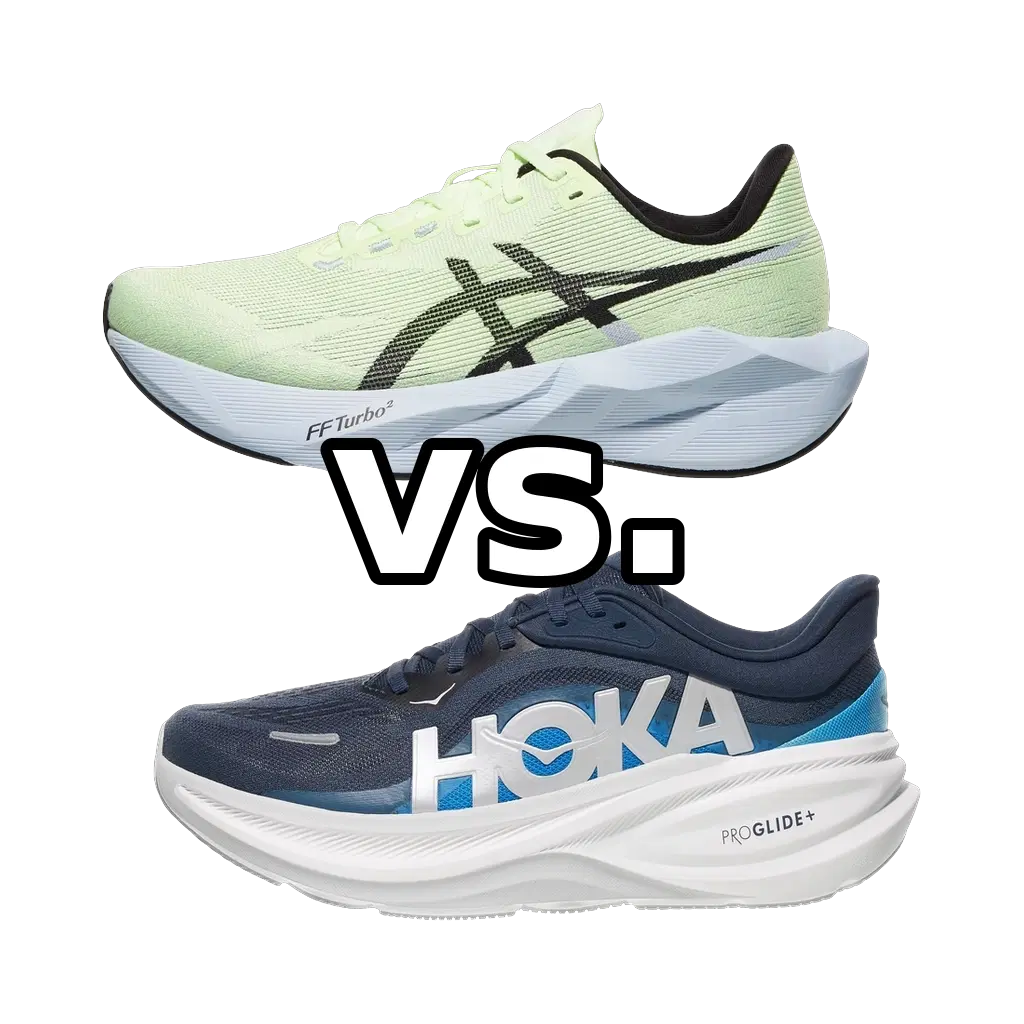
Verdict
It genuinely comes down to ride preference, not quality — these are two evenly matched neutral daily trainers with the same core mission. Pick the Novablast 6 for a softer, springier, lighter shoe that rewards a quick cadence, or the Clifton Pro for a firmer, rocker-driven ride that stays more planted and stable underfoot. If you tend to run tired or slow and want maximum steadiness, lean Clifton Pro; if you want energy and pop, lean Novablast 6.
Pace
4 of 6
Cushioning
5 of 6
Responsiveness
5 of 6
Stability
3 of 6
Drop
7 mm
Support
Neutral
Plate
None
Distances
10KHalfMarathon
Pace
4 of 6
Cushioning
5 of 6
Responsiveness
5 of 6
Stability
4 of 6
Drop
8 mm
Support
Stable Neutral
Plate
None
Distances
10KHalfMarathon
At a Glance
Asics Novablast 6Hoka Clifton Pro
Who Should Choose Each Shoe
Choose
Asics Novablast 6
Choose the Novablast 6 if you want the softer, bouncier, more energetic ride and like a shoe that pops off the forefoot when you lift the pace. It's the better pick for lighter, quicker-cadence runners and for anyone who wants one lively do-everything trainer that still feels sprightly during tempo efforts — and its lower weight and lower-profile stack suit runners who find tall, planted trainers a little dull. Neutral runners who don't mind a slightly tippy feel at very slow paces will get on with it best.
Choose
Hoka Clifton Pro
Choose the Clifton Pro if you prefer protection and a firm, planted, rolling ride over a soft, sink-in one, and want a shoe that feels stable and predictable on long steady miles. Its wider, stable-neutral platform and MetaRocker suit neutral runners who like being tipped through the stride and who value composure and consistency more than springy bounce. It's the safer everyday choice for intermediate and recreational runners logging high-mileage weeks who don't chase short, sharp speed.
Head-to-Head
The clearest split is foam character. The Novablast 6's FF Blast Max midsole is soft, bouncy, and lively, with a forefoot FF Turbo Squared pod that adds an extra kick of rebound off the toe — it rewards a quicker cadence and feels springy and playful. The Clifton Pro's ProGlide+ supercritical EVA is deliberately firmer and more ride-focused; instead of a soft, sink-in feel it gives a moderately firm spring-back, and its aggressive MetaRocker geometry tips you forward and drives the roll rather than relying on squish. Geometry reinforces this: the Novablast is the taller-feeling-yet-tippier of the two at 39mm heel / 32mm forefoot with a 7mm drop, while the Clifton Pro sits on a larger 43mm / 33mm platform at 8mm drop but plays steadier — its stability rates a notch higher (4/6 vs 3/6, stable-neutral vs plain neutral), thanks to a wide, planted base, whereas the Novablast's tall stack can feel a touch unsteady when you're shuffling slowly and tired. The Novablast is also the lighter shoe, at 249g in a men's US 9 against the Clifton Pro's roughly 264g, and it carries a slightly quicker character: its foam comes alive from about 4:30–5:30 min/km and will handle tempo down toward 4:15–4:45, versus the Clifton Pro's 4:45–5:45 daily zone and roughly 4:20 min/km ceiling. Both are neutral shoes with no medial posting and no plate, so neither is a support shoe or a dedicated racer — the choice is soft-and-springy versus firm-and-rockered, lively versus planted.
Similar Comparisons
Hoka Clifton 11 vs Hoka Clifton Pro
Asics Novablast 6 vs Nike Pegasus 42
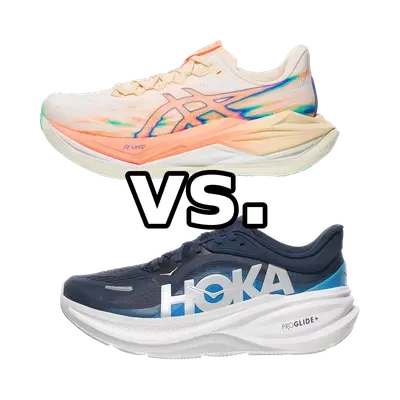
Asics Superblast 3 vs Hoka Clifton Pro
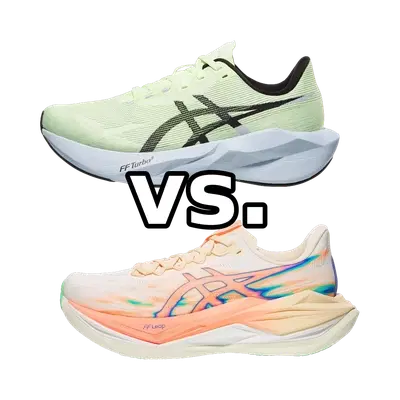
Asics Novablast 6 vs Asics Superblast 3
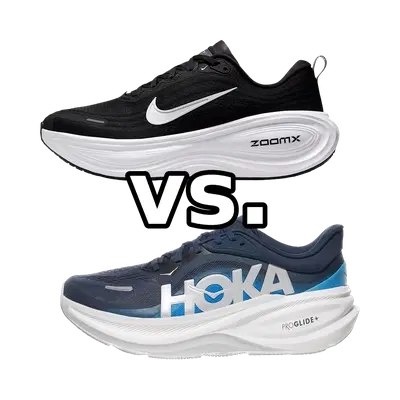
Nike Vomero Plus vs Hoka Clifton Pro
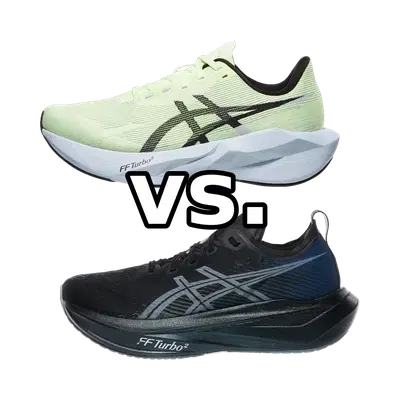
Asics Novablast 6 vs Asics Megablast
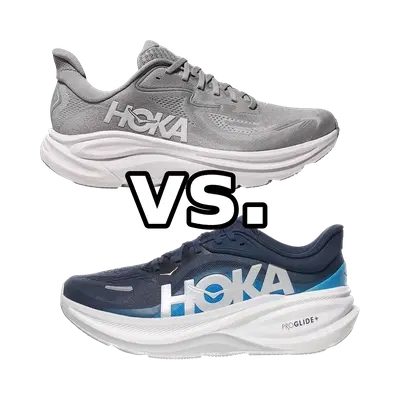
Hoka Clifton 10 vs Hoka Clifton Pro
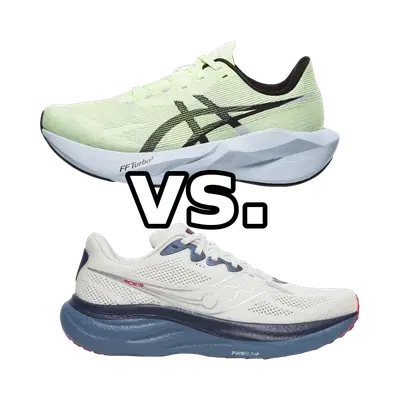
Asics Novablast 6 vs Saucony Ride 19
© 2026 longrunshoes.ai | All rights reserved.
Use of materials from this site is permitted only with proper attribution and a link to longrunshoes.ai.