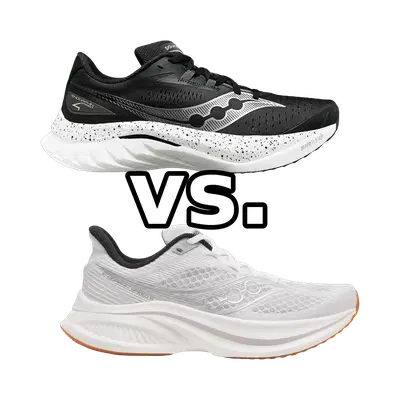
Saucony Endorphin Speed 5 vs Mizuno Wave Rebellion Flash 3:
Which to Choose
Verdict
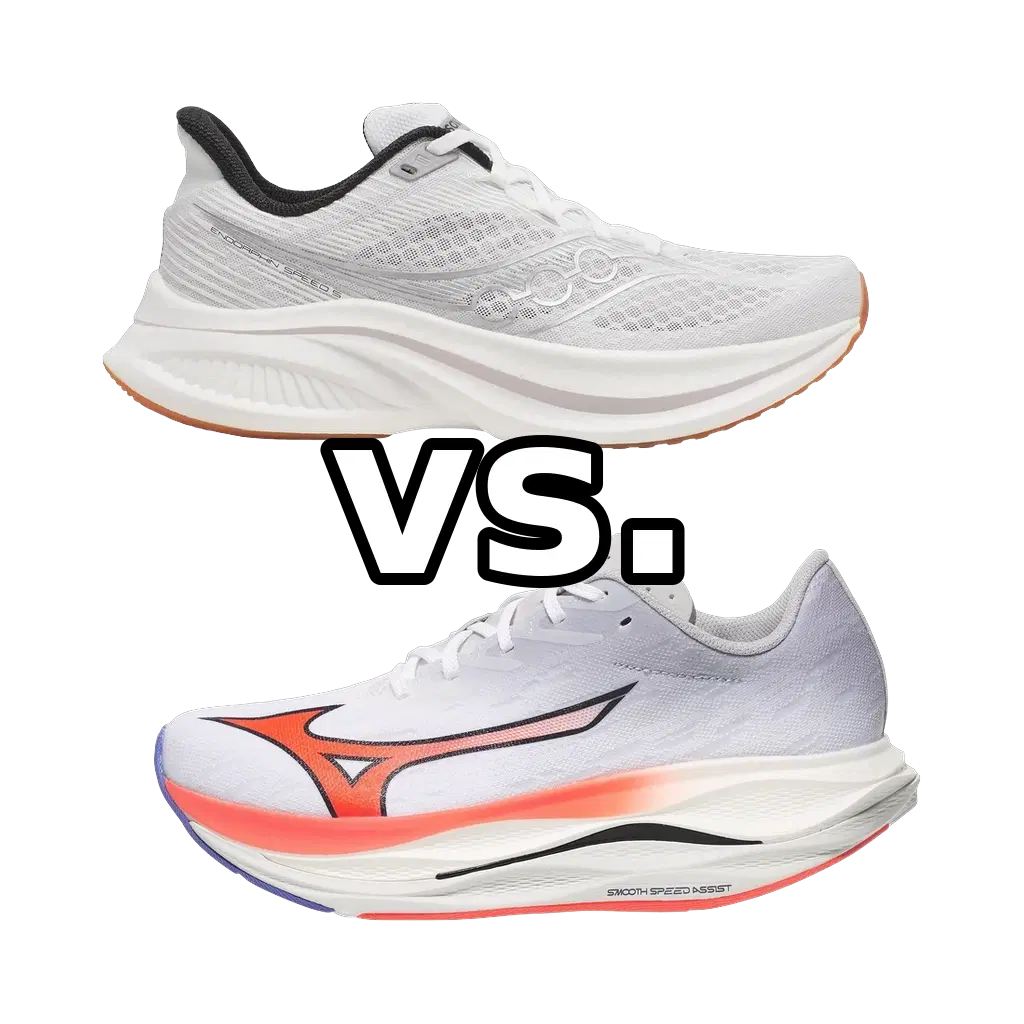
These two are close enough on weight, cushioning, drop, and pace zone that the decision comes down to ride character and range, not raw specs. Pick the Endorphin Speed 5 if you want the more versatile, more forgiving all-rounder that can stretch to the marathon and tolerate a broader mix of paces and foot strikes; pick the Wave Rebellion Flash 3 if you're a dedicated midfoot/forefoot runner chasing a sharper, rocker-driven ride for 10K-to-half speed work and don't need it to do anything slow. For most runners wanting one shoe to do the most, the Saucony is the safer bet; for the committed fast runner who wants to be pushed, the Mizuno is the more exciting one.
Pace
5 of 6
Cushioning
5 of 6
Responsiveness
5 of 6
Stability
3 of 6
Drop
8 mm
Support
Neutral
Plate
Composite
Distances
10KHalfMarathon
Pace
5 of 6
Cushioning
5 of 6
Responsiveness
5 of 6
Stability
3 of 6
Drop
7 mm
Support
Neutral
Plate
Composite
Distances
10KHalf
At a Glance
Saucony Endorphin Speed 5Mizuno Wave Rebellion Flash 3
Who Should Choose Each Shoe
Choose
Saucony Endorphin Speed 5
Choose the Endorphin Speed 5 if you want one shoe to cover the widest range — tempo sessions, steady long runs, and marathon race day — without babying your form. It's the better pick for runners who touch the marathon distance, who aren't strictly midfoot strikers, or who want a plated shoe that stays composed and forgiving when the pace drops. If you value a smooth, rolling, springy-but-stable ride over an aggressive one, this is your shoe.
Choose
Mizuno Wave Rebellion Flash 3
Choose the Wave Rebellion Flash 3 if you're a confident midfoot or forefoot striker who lives at tempo and interval effort over 10K and half-marathon distances and wants a shoe that actively drives you forward. Its taller platform and exaggerated rocker feel best when you commit to a fast, forward-leaning stride, and the firmer, snappier forefoot rewards purposeful efforts. Skip it if you heel strike, want anything for slow recovery miles, or plan to race a marathon in it.
Head-to-Head
Start with how close they are: the Endorphin Speed 5 weighs 241g and the Wave Rebellion Flash 3 weighs 244g (men's US 9), a difference you will never feel on foot, and both sit in the same 4:00–4:45 min/km optimal-pace band. The clearest hardware split is stack and geometry. The Mizuno is the taller, more aggressive shoe — a 40mm heel / 33mm forefoot platform driven by an Enerzy XP (TPEE) top layer over an Enerzy NXT (EVA) base and a glass-fiber-reinforced nylon Wave plate — with a pronounced rocker and exaggerated heel bevel that almost tip you into the next stride once you're at tempo. The Saucony sits lower at 37mm heel / 27mm forefoot on beaded PWRRUN PB (PEBA) with a semi-rigid winged nylon plate that guides transitions rather than snapping them. Drops are close (8mm stated, nearer 10mm measured, on the Speed 5 versus a measured ~7mm on the Flash 3), so both keep a moderate, forward-leaning slope. Where they genuinely diverge is versatility and ride character. The Endorphin Speed 5's softer, livelier PEBA and more forgiving plate make it comfortable for a wider range of paces and foot strikes — it's rated for 10K, half, and marathon, and can handle long marathon-training miles. The Rebellion Flash 3 is more specialized: its firmer forefoot, tall platform, and dramatic rocker reward a committed midfoot or forefoot landing and an honest, purposeful effort, but that same geometry feels tippy and unsettled at a jog, and it tops out at 10K and half — it's not built for slow long runs. In short, the Saucony is the smoother, do-more shoe; the Mizuno is the sharper, more insistent one that wants you to run fast.
Similar Comparisons
Mizuno Wave Rebellion Flash 2 vs Mizuno Wave Rebellion Flash 3

Adidas Adizero Evo SL vs Saucony Endorphin Speed 5
Adidas Adizero Boston 13 vs Mizuno Wave Rebellion Flash 3
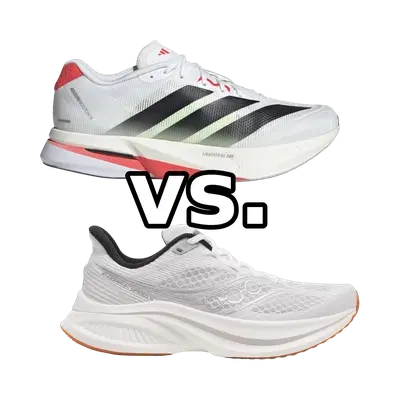
Adidas Adizero Boston 13 vs Saucony Endorphin Speed 5
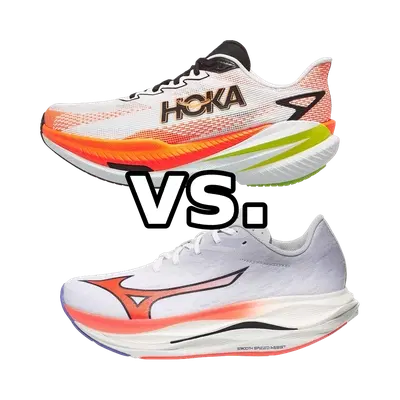
Hoka Mach X 3 vs Mizuno Wave Rebellion Flash 3
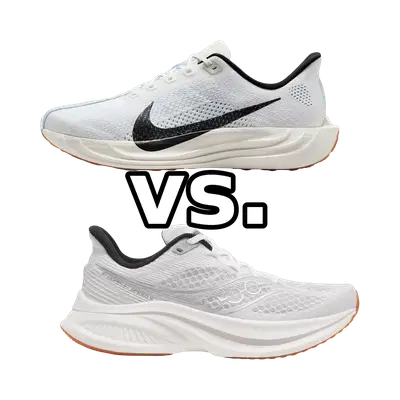
Nike Pegasus Plus vs Saucony Endorphin Speed 5
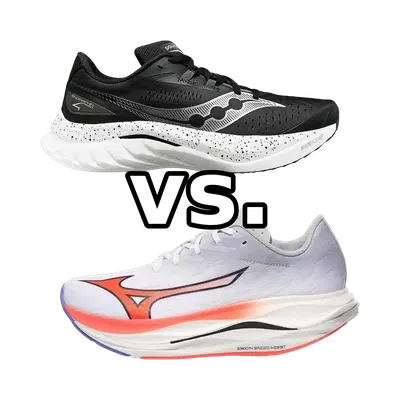
Saucony Endorphin Speed 4 vs Mizuno Wave Rebellion Flash 3
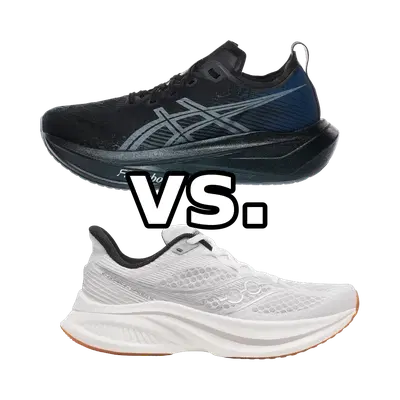
Asics Megablast vs Saucony Endorphin Speed 5
© 2026 longrunshoes.ai | All rights reserved.
Use of materials from this site is permitted only with proper attribution and a link to longrunshoes.ai.