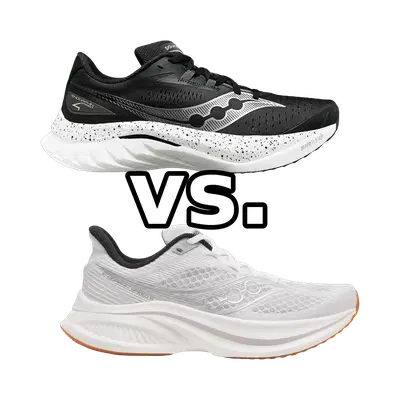
Saucony Endorphin Speed 4 vs Mizuno Wave Rebellion Flash 3:
Which to Choose
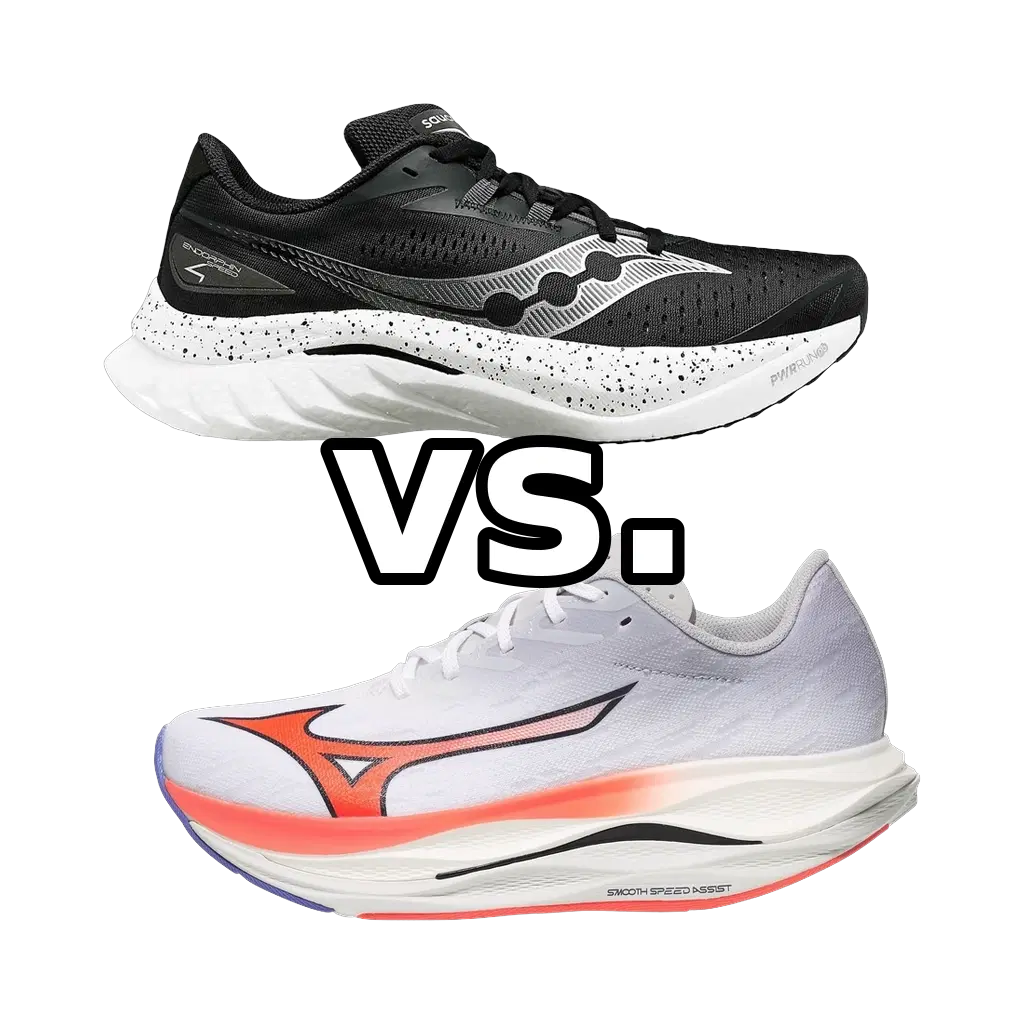
Verdict
These two are close cousins in spec but different in temperament, so it comes down to range and ride, not quality. If you want versatility and a smooth ride that scales from tempo to marathon, take the Endorphin Speed 4. If you're a forefoot-driven runner who wants an aggressive, rocker-assisted 10K-to-half specialist and won't miss a shoe for long, easy days, the Wave Rebellion Flash 3 is the more exciting tool — just accept that it's a specialist, not an everyday trainer.
Pace
5 of 6
Cushioning
5 of 6
Responsiveness
5 of 6
Stability
3 of 6
Drop
8 mm
Support
Neutral
Plate
Composite
Distances
5K10KHalfMarathon
Pace
5 of 6
Cushioning
5 of 6
Responsiveness
5 of 6
Stability
3 of 6
Drop
7 mm
Support
Neutral
Plate
Composite
Distances
10KHalf
At a Glance
Saucony Endorphin Speed 4Mizuno Wave Rebellion Flash 3
Who Should Choose Each Shoe
Choose
Saucony Endorphin Speed 4
Choose the Endorphin Speed 4 if you want one shoe to cover most of your week — easy-adjacent miles, tempo days, and racing from the 5K up to the marathon. It's the better pick for runners who value a smooth, composed roll and forgiveness across paces and foot-strikes, and for anyone who wants marathon range rather than a workout-only tool. Its lower, more conventional stack and 8 mm drop also make it the safer bet if you're stepping up into plated trainers for the first time.
Choose
Mizuno Wave Rebellion Flash 3
Choose the Wave Rebellion Flash 3 if you're a confident midfoot or forefoot striker who lives at 10K-to-half efforts and wants a shoe that actively throws you forward. Its taller 40 mm platform and aggressive rocker reward a purposeful, forward-leaning mindset and make fast, sharp workouts feel electric — but you should be honest that it feels tippy at jogging pace and isn't built for slow long runs. It's the better call for a dedicated tempo-and-race shoe rather than an everyday do-everything trainer.
Head-to-Head
Start with the geometry, because that is where these two genuinely diverge. The Flash 3 sits on a taller 40 mm heel / 33 mm forefoot platform with a measured ~7 mm drop, while the Speed 4 is lower and more conventional at 36 mm heel / 28 mm forefoot with an 8 mm drop. That extra Mizuno height is paired with an exaggerated rockered heel bevel that almost tips you into the next stride at tempo — thrilling when you're pressing the pace, but noticeably tippy and unsettled when you slow to a jog, and it strongly favors midfoot and forefoot strikers. The Speed 4's winged nylon plate and contoured base deliver a smoother, more forgiving roll that stays composed across a wider range of paces and foot-strikes. The foams differ too: Saucony's PWRRUN PB is a PEBA-based superfoam that feels soft and springy with resilient rebound over long efforts, whereas Mizuno layers a soft Enerzy XP (TPEE) top over an Enerzy NXT (EVA) base — protective and lively but tuned for shorter, sharper efforts. Weight favors Saucony slightly, 233 g versus 244 g (men's US 9), though both are light for their category. The biggest practical split is versatility of range: the Speed 4 genuinely excels from 5K through the marathon, with the half and honest tempo work as its sweet spot, while the Flash 3 shines over 10K and the half and is explicitly not the tool for slow long runs. One more livability note — the Flash 3's double-layered mesh upper runs a touch warm, while the Speed 4's engineered mesh is more straightforwardly breathable. Neither is a stability shoe; both are moderate, neutral rides with no dedicated pronation support.
Similar Comparisons
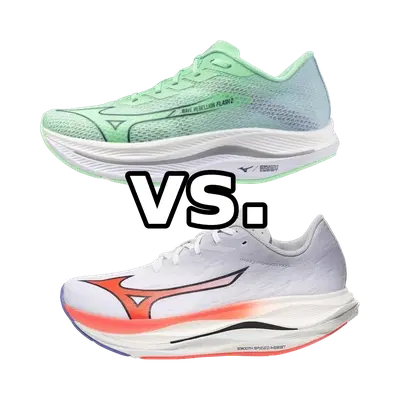
Mizuno Wave Rebellion Flash 2 vs Mizuno Wave Rebellion Flash 3
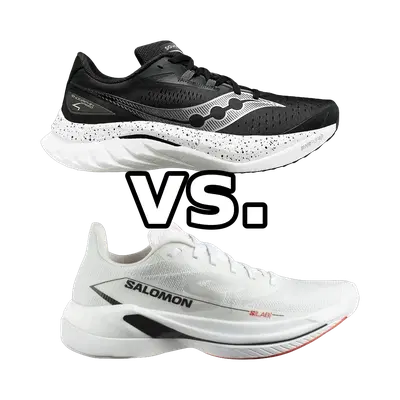
Saucony Endorphin Speed 4 vs Salomon S/Lab Spectur
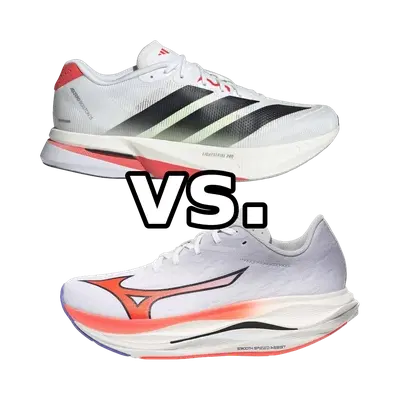
Adidas Adizero Boston 13 vs Mizuno Wave Rebellion Flash 3
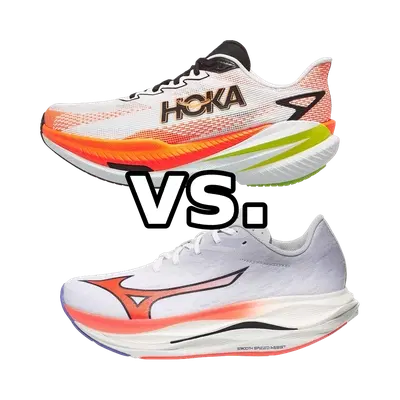
Hoka Mach X 3 vs Mizuno Wave Rebellion Flash 3
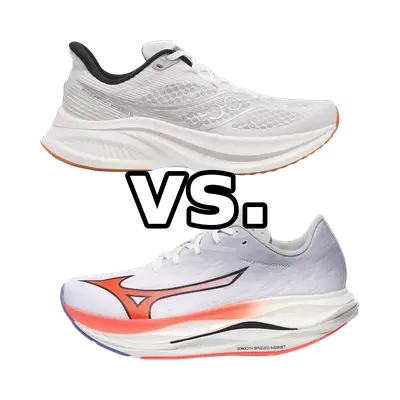
Saucony Endorphin Speed 5 vs Mizuno Wave Rebellion Flash 3
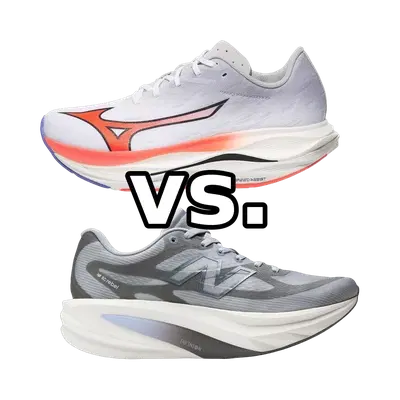
Mizuno Wave Rebellion Flash 3 vs New Balance FuelCell SuperComp Rebel
© 2026 longrunshoes.ai | All rights reserved.
Use of materials from this site is permitted only with proper attribution and a link to longrunshoes.ai.