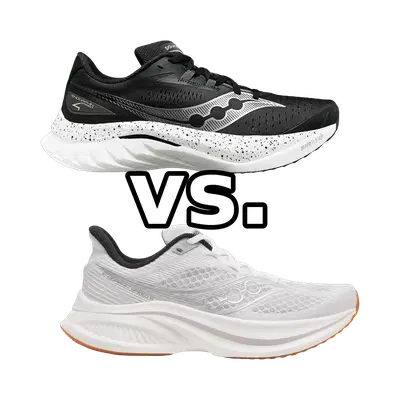
Saucony Endorphin Speed 4 vs Salomon S/Lab Spectur:
Which to Choose
Verdict
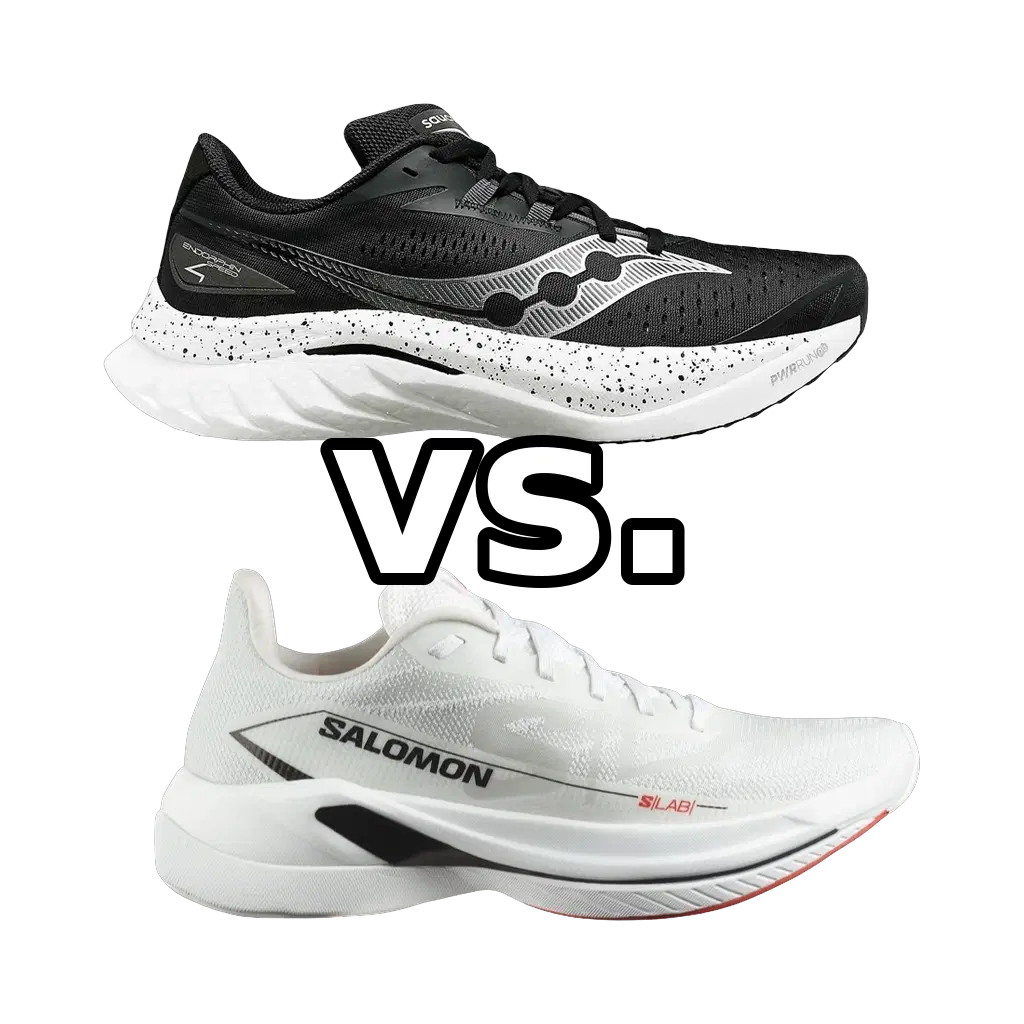
These two are close enough in weight, drop, stack and plate type that the decision comes down to breadth versus bite. If you want a versatile, softer shoe that races up to the marathon and still handles daily training, take the Endorphin Speed 4. If you specifically want a firmer, snappier ride for tempo work and races no longer than a half — and you'll keep a separate shoe for easy days — the Spectur is the sharper tool. Most runners wanting a single fast do-it-all shoe will be better served by the Speed 4.
Pace
5 of 6
Cushioning
5 of 6
Responsiveness
5 of 6
Stability
3 of 6
Drop
8 mm
Support
Neutral
Plate
Composite
Distances
5K10KHalfMarathon
Pace
5 of 6
Cushioning
5 of 6
Responsiveness
5 of 6
Stability
3 of 6
Drop
8 mm
Support
Neutral
Plate
Composite
Distances
5K10KHalf
At a Glance
Saucony Endorphin Speed 4Salomon S/Lab Spectur
Who Should Choose Each Shoe
Choose
Saucony Endorphin Speed 4
Choose the Endorphin Speed 4 if you want one shoe to cover most of your week — tempo reps, honest long runs, and races from 5K up to the marathon — and you value a softer, more forgiving, lively ride. It's the better pick for the intermediate-to-experienced neutral runner chasing PRs across a spread of distances who doesn't want a shoe that punishes easy miles, and whose longest races go past the half.
Choose
Salomon S/Lab Spectur
Choose the S/Lab Spectur if your fast work tops out at the half and you prefer a firmer, snappier, more aggressive platform that feels purposeful specifically when you're pushing 10K-to-half pace. It suits the experienced recreational runner who already has a separate easy-day shoe and wants a dedicated, light-on-the-feet tempo-and-short-race tool, and who's comfortable accepting a narrower use case and a shorter outsole lifespan in exchange for that snap.
Head-to-Head
Start with what's the same, because a lot is: both run an 8mm drop on a tall, neutral platform, both weigh in around 230–235g, and both use a flexible winged composite plate (nylon in the Saucony, a TPU Energy Blade in the Salomon) rather than a stiff carbon one, so neither has that tippy, locked-in race-plate feel. The split is in the foam and the intent. The Endorphin Speed 4's PWRRUN PB is a PEBA-based superfoam that feels soft, bouncy and forgiving — it rolls you forward at tempo but is tolerant enough to survive everyday miles, which is why its range honestly stretches from the 5K all the way to the marathon, with the half and tempo days as its sweet spot. The Spectur's Energy Foam is deliberately firmer and snappier; there's a sharper pop off the toe, but the ride feels eager and a touch stiff until you actually lift the effort, and its usable range is narrower — 5K through the half, with the 10K as its home base. The pace windows tell the same story: the Speed 4 comes alive across a broader 3:45–4:45 min/km band, while the Spectur rewards a faster, tighter 3:30–4:00 min/km. Two more practical differences decide it. First, versatility: the Speed 4 can double as a do-most-things trainer, whereas the Spectur is a poor recovery-day shoe — firm and impatient at easy jogging paces. Second, longevity: the Spectur's race-oriented build puts durability, particularly outsole life, more in question than the more trainer-like Saucony.
© 2026 longrunshoes.ai | All rights reserved.
Use of materials from this site is permitted only with proper attribution and a link to longrunshoes.ai.