
Salomon S/Lab Phantasm 2 vs Salomon S/Lab Spectur:
Which to Choose
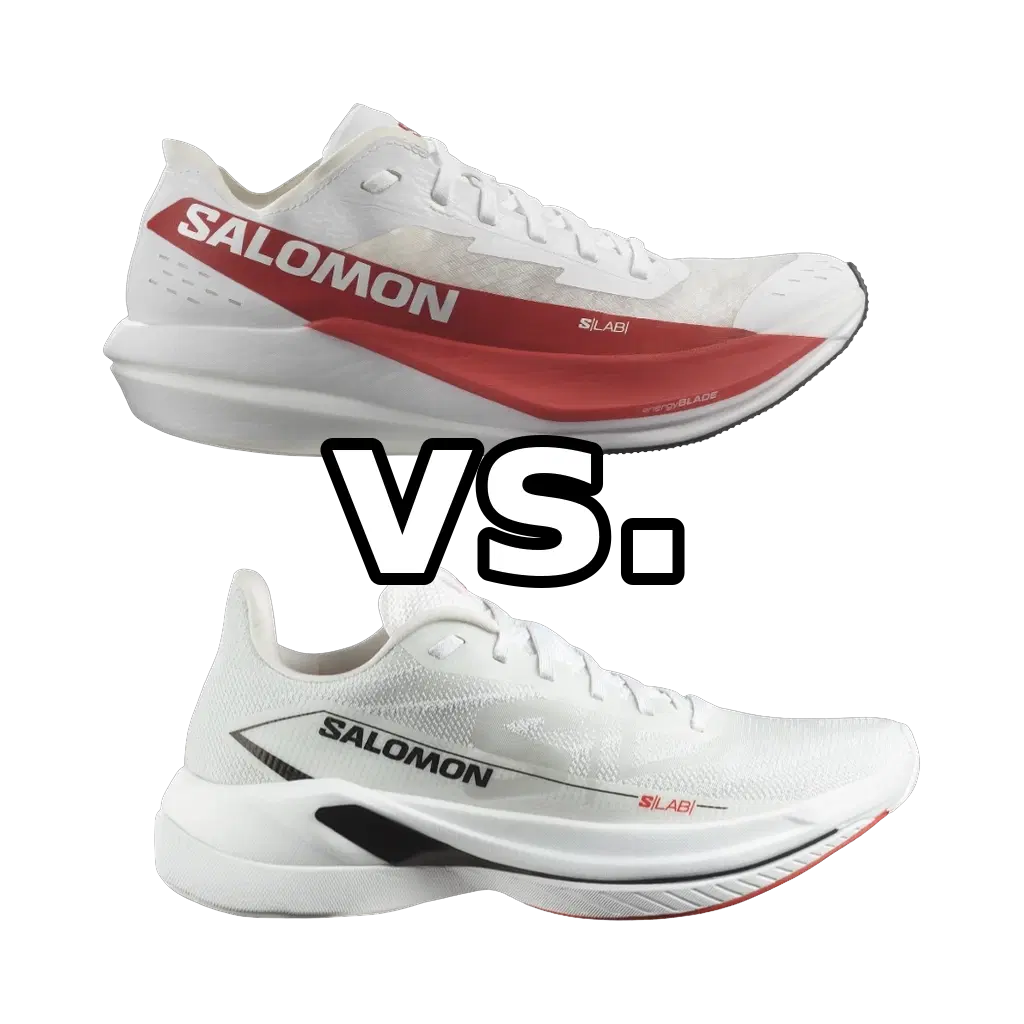
Verdict
These two serve the same races, so the call comes down to ride preference, not purpose. Go Phantasm 2 for a firm, low-profile, plateless racer with maximum road feel and a committed fast-only character — if its narrow fit works for you. Go Spectur for a taller, more cushioned, plated shoe that offers more propulsion and protection as distances stretch toward the half, provided you accept less ground feel and a race-grade outsole. In short: ground feel and directness versus cushioning and pop.
Pace
5 of 6
Cushioning
3 of 6
Responsiveness
4 of 6
Stability
3 of 6
Drop
9 mm
Support
Neutral
Plate
None
Distances
5K10KHalf
Pace
5 of 6
Cushioning
5 of 6
Responsiveness
5 of 6
Stability
3 of 6
Drop
8 mm
Support
Neutral
Plate
Composite
Distances
5K10KHalf
At a Glance
Salomon S/Lab Phantasm 2Salomon S/Lab Spectur
Who Should Choose Each Shoe
Choose
Salomon S/Lab Phantasm 2
Pick the Phantasm 2 if you're a forefoot- or midfoot-striking runner who wants to feel the road and prizes a firm, direct, connected ride over plush protection — the classic profile of someone sharpening 5K/10K speed or doing tempo repeats. It's the better choice if you dislike the disconnected sensation of tall plated shoes and want rebound from foam rather than a plate snapping you forward. Just confirm the fit: the narrow upper rules it out for many wide-footed runners.
Choose
Salomon S/Lab Spectur
Choose the Spectur if you want more underfoot protection and a propulsive, plate-driven ride for the same 5K-to-half range — especially if you're pushing toward the half marathon end, where the taller Energy Foam stack and winged composite plate keep legs fresher than a low-profile racer would. It rewards runners who like a clear toe-off pop and don't mind trading ground feel for cushioning. Avoid it if your training is mostly slow and easy, or if you want one shoe that doubles for recovery days — the firm, plated build is too eager for that.
Head-to-Head
Start with what's identical, because a lot is: both run an 8mm heel-to-toe drop, both are tuned neutral with moderate (3/6) stability — planted enough for their builds but offering no pronation support — and both peg their ideal race pace around 3:45–4:15 min/km, excelling at hard 10K efforts and tempo repeats. The split is in the midsole. The Phantasm 2 uses Energy Surge foam with no plate at all; it's firmer and lower to the ground, so transitions are quick and direct and you get real road feel underfoot. Its rebound comes from the springy foam itself (4/6 responsiveness), and it's happiest when a committed, forefoot-driven stride is loading it — ease off and the ride can feel flat. The Spectur goes the other way: a tall, generously cushioned stack (around 37mm) of Energy Foam paired with the winged Energy Blade, a TPU/composite plate (not carbon). That combination rates higher on both cushioning (5/6 vs 3/6) and responsiveness (5/6 vs 4/6), delivering a distinct pop off the toe and more protection for longer fast efforts, at the cost of ground feel — the tall stack mutes the road and the plated ride feels stiff and impatient at jogging pace. Neither is a recovery or easy-day shoe; the Phantasm just goes flat when you slow down, while the Spectur actively resists it. Fit is another concrete divider: the Phantasm's thin engineered upper runs genuinely narrow, so wide-footed runners should try it on first, whereas the Spectur wraps securely without that reputation for a tight last. On durability, the Spectur's purely race-focused outsole is a known long-term limitation if you log heavy mileage in it.
Similar Comparisons
Saucony Endorphin Speed 4 vs Salomon S/Lab Spectur

Salomon S/Lab Phantasm 2 vs Salomon S/Lab Phantasm 3 SC

Salomon S/Lab Spectur vs Saucony Endorphin Speed 5

Brooks Hyperion 2 vs Salomon S/Lab Phantasm 2

Salomon S/Lab Spectur vs Salomon Spectur 2

Asics Noosa Tri 16 vs Salomon S/Lab Phantasm 2

Brooks Hyperion GTS 2 vs Salomon S/Lab Phantasm 2
© 2026 longrunshoes.ai | All rights reserved.
Use of materials from this site is permitted only with proper attribution and a link to longrunshoes.ai.