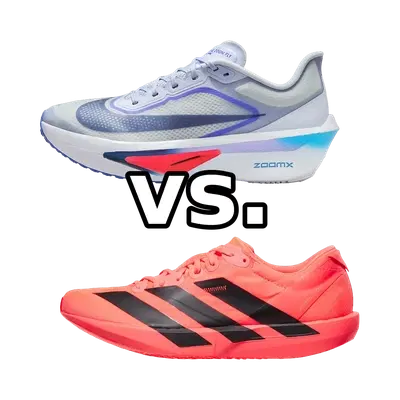
Nike Zoom Fly 6 vs Adidas Adizero Evo SL:
Which to Choose
Verdict
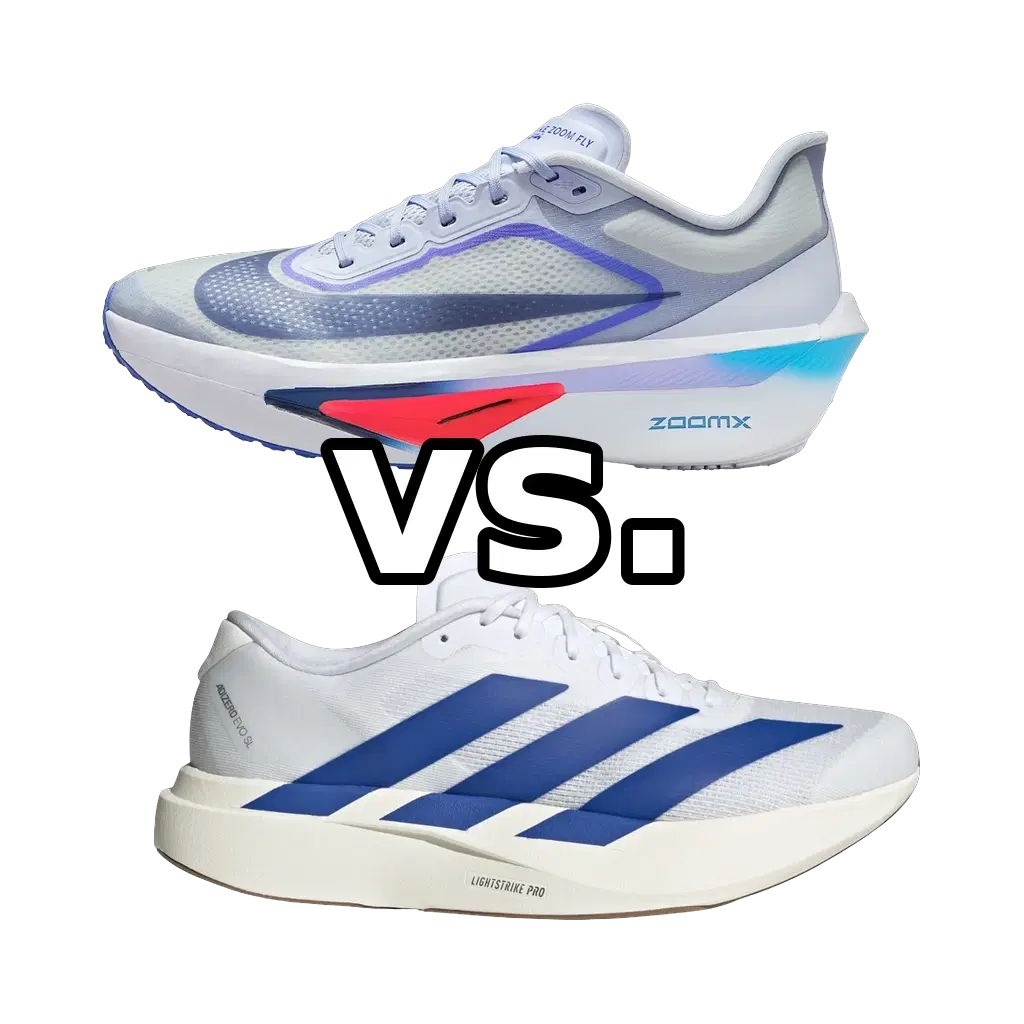
It genuinely depends — on the plate and the distance. Go with the Zoom Fly 6 if you want carbon-plated propulsion and a taller, higher-drop platform built to carry you up to marathon distance; go with the Evo SL if you want a lighter, lower, plateless shoe that feels more natural and lives for 5K-to-half speed. If you mostly race long and like the structured snap of a plate, the Nike wins; if you race short-to-mid and prize a flexible, fast-rolling foam ride, the Adidas is the one.
Pace
5 of 6
Cushioning
5 of 6
Responsiveness
5 of 6
Stability
3 of 6
Drop
8 mm
Support
Neutral
Plate
Carbon
Distances
10KHalfMarathon
Pace
5 of 6
Cushioning
5 of 6
Responsiveness
5 of 6
Stability
3 of 6
Drop
6 mm
Support
Neutral
Plate
None
Distances
5K10KHalf
At a Glance
Nike Zoom Fly 6Adidas Adizero Evo SL
Who Should Choose Each Shoe
Choose
Nike Zoom Fly 6
Choose the Nike Zoom Fly 6 if your goals stretch toward the marathon and you want one shoe that can handle uptempo long runs and race-day efforts with the propulsive, locked-in feel of a carbon plate. It's the better pick for runners who like leaning into a sustained rhythm and want the extra heel stack and 8mm drop for protection over 20-plus miles, and for anyone who's run plated trainers before and enjoys that firm, snappy forward tip. If you want the closest thing to a racer's ride in a durable trainer, this is it.
Choose
Adidas Adizero Evo SL
Choose the Adidas Adizero Evo SL if your fast work skews shorter and sharper — intervals, tempo sessions, and 5K-to-half racing — and you prefer a lighter, lower, more natural ride that comes from the foam rather than a rigid plate. Its 6mm drop, lower stack, and plateless flexibility make it more forgiving across a range of paces and more willing to roll quickly, which suits runners who find carbon plates too stiff or who want a shoe that feels agile underfoot. It's the more versatile everyday speed trainer of the two.
Head-to-Head
The headline difference is the plate. The Zoom Fly 6 runs a full-length carbon Flyplate through its ZoomX midsole, which creates a distinct, stiff forward tip that snaps you toward toe-off — propulsive when you're moving with intent, but noticeably clunky and board-like if you slow to a shuffle. The Evo SL skips the plate entirely and lets the Lightstrike Pro foam do the work, so its rebound comes from the midsole flexing and springing back rather than levering you forward. That makes the Adidas feel more natural and flexible underfoot and more tolerant of a range of paces, while the Nike feels more mechanical and more rewarding specifically when you push. Geometry reinforces the split: the Zoom Fly 6 sits on a taller stack (42mm heel / 34mm forefoot) with an 8mm drop, giving a bit more heel under you for marathon-distance protection, whereas the Evo SL is lower and closer to the ground (around 39mm / 33mm) with a 6mm drop that encourages a quicker midfoot strike. The Evo SL is also the lighter shoe — in the low-220g range versus the mid-260g for the Zoom Fly 6 — which, combined with its lower drop and plateless flexibility, tilts it toward sharper, faster efforts. Their best-distance windows reflect all of this: the Zoom Fly 6 stretches from 10K up through the marathon with the half as its sweet spot, trading on plate-and-stack protection for longer efforts, while the Evo SL covers 5K to the half with the 10K as its home and really lives in the 3:45–4:00 min/km zone. Neither is a stability shoe — both are neutral with a soft, tall platform that can feel a touch unsettled at slow jogging speeds, and both carry the usual soft-foam durability caveat, though the Zoom Fly's firmer training-grade ZoomX and plate give it a slightly more controlled, structured feel at speed.
Similar Comparisons
Adidas Adizero Evo SL vs Asics Magic Speed 4
Nike Zoom Fly 6 vs Asics Magic Speed 4
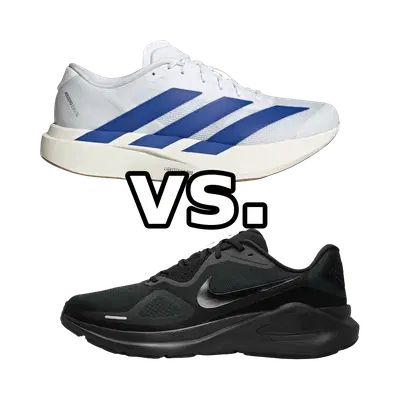
Adidas Adizero Evo SL vs Nike Structure 26
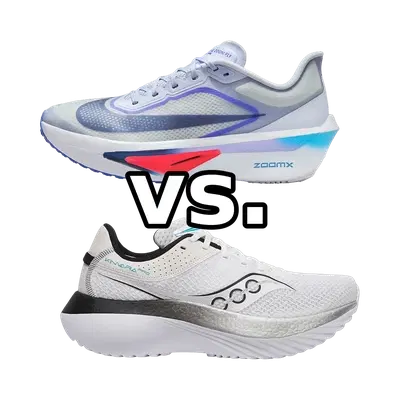
Nike Zoom Fly 6 vs Saucony Kinvara Pro
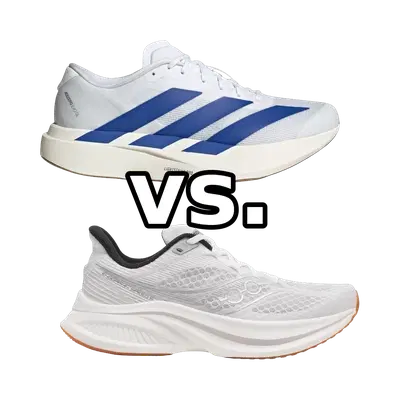
Adidas Adizero Evo SL vs Saucony Endorphin Speed 5
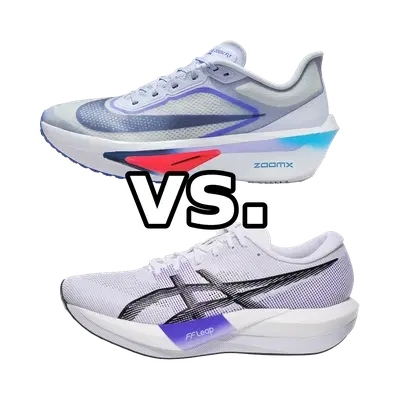
Nike Zoom Fly 6 vs Asics Magic Speed 5
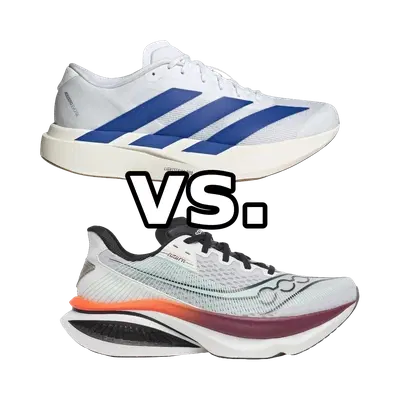
Adidas Adizero Evo SL vs Saucony Endorphin Azura
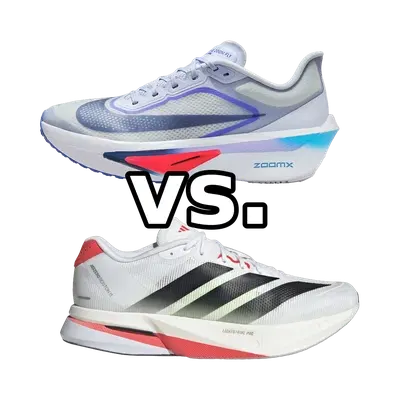
Nike Zoom Fly 6 vs Adidas Adizero Boston 13
© 2026 longrunshoes.ai | All rights reserved.
Use of materials from this site is permitted only with proper attribution and a link to longrunshoes.ai.