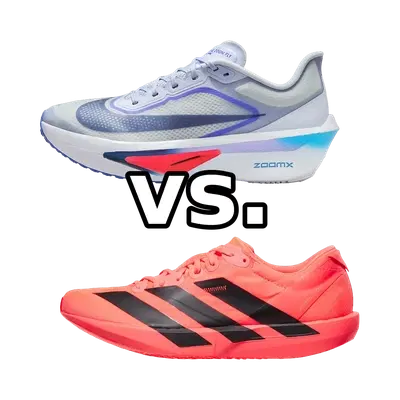
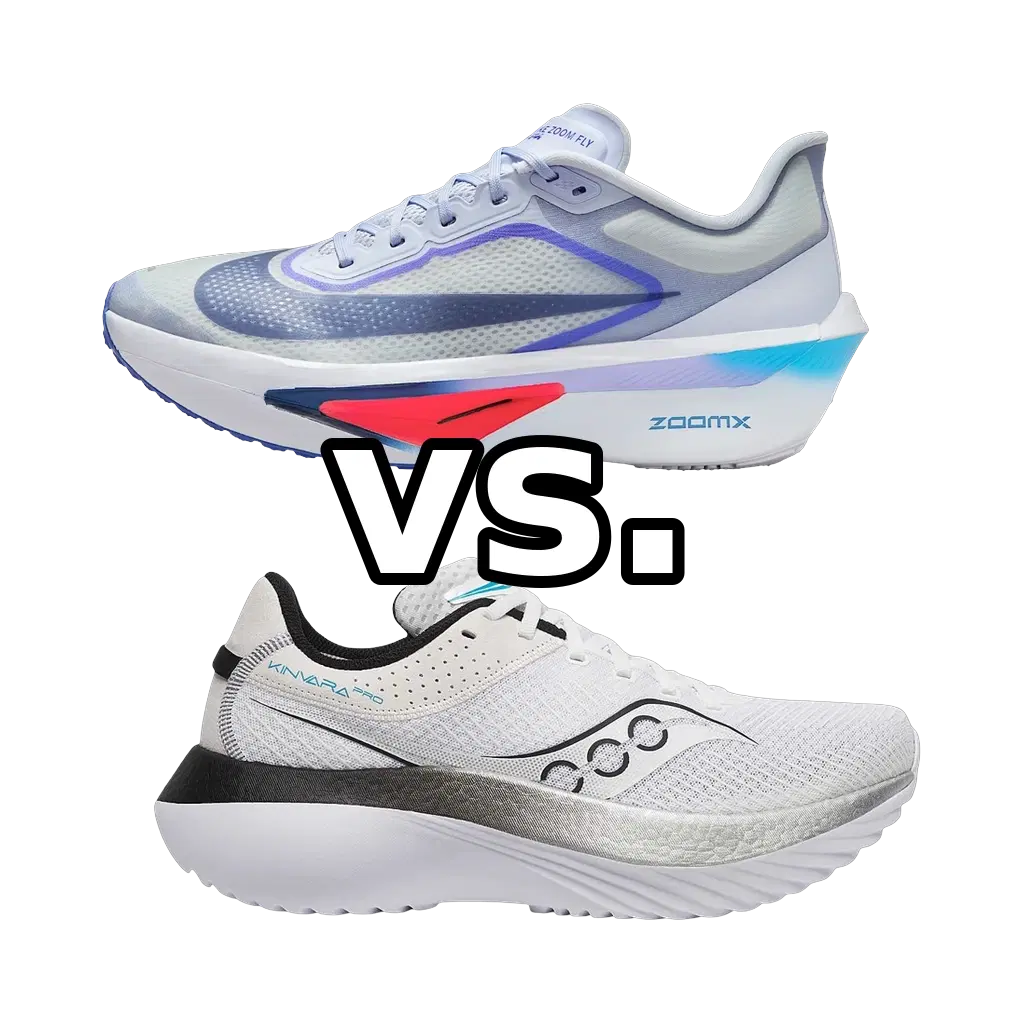
Nike Zoom Fly 6 vs Saucony Kinvara Pro:
Which to Choose
Verdict
These are genuinely close cousins, so pick by distance and feel, not by one being "better." Go with the Zoom Fly 6 if you want the lighter, snappier shoe that peaks at the half and can still run a fast 10K; go with the Kinvara Pro if you want maximum cushioning and a smooth, plush ride for the full marathon and long tempo days. Faster and more versatile points to Nike; softer, taller, and marathon-first points to Saucony.
Pace
5 of 6
Cushioning
5 of 6
Responsiveness
5 of 6
Stability
3 of 6
Drop
8 mm
Support
Neutral
Plate
Carbon
Distances
10KHalfMarathon
Pace
5 of 6
Cushioning
6 of 6
Responsiveness
5 of 6
Stability
3 of 6
Drop
8 mm
Support
Neutral
Plate
Carbon
Distances
HalfMarathon
At a Glance
Nike Zoom Fly 6Saucony Kinvara Pro
Who Should Choose Each Shoe
Choose
Nike Zoom Fly 6
Choose the Zoom Fly 6 if your fastest work spans 10K to the half and you want a plated trainer that feels quick and energetic — a runner who likes leaning into a rhythm and wants a snappy, forward-tipping toe-off rather than a cushioned cruise. Its lighter weight and poppier ZoomX make it the more versatile pick for anyone who mixes tempo days, uptempo long runs, and the occasional shorter race, and who doesn't mind that it feels awkward at true recovery pace. If the half marathon is your sweet spot, this is the shoe built around it.
Choose
Saucony Kinvara Pro
Choose the Kinvara Pro if the marathon — or very long tempo efforts — is your real target and you prioritize all-day comfort and a smooth, plush ride over sharp acceleration. The taller dual-density stack protects your legs deep into long miles, and the plate's gentle, rolling assist suits a steady marathon-pace grinder more than a runner chasing 5K-to-10K speed. It's the better call for an intermediate-to-experienced neutral runner who wants carbon help without the twitchy, firm feel of a pure racer and is willing to carry a bit more shoe to get the extra cushioning.
Head-to-Head
On paper they look like twins — both neutral, both 8mm drop, both full-length carbon plates, both rated high for pace and responsiveness — but underfoot they split clearly. The Kinvara Pro is simply more shoe: it carries a taller stack (roughly 46mm in the heel and 35mm in the forefoot versus about 40mm and 30mm on the Zoom Fly 6) and weighs noticeably more at around 281g to the Nike's 248g. That extra foam is why the Kinvara earns a maximum cushioning rating and the Zoom Fly 6 lands just a notch below it. The two foams behave differently, too. Nike's ZoomX in its firmer training formulation is bouncy and poppy, and paired with the Flyplate it delivers a distinct forward tip that rewards accelerating — transitions feel snappy at speed and a little stiff and clunky when you shuffle. Saucony's dual-density setup, a soft PWRRUN PB layer over a firmer PWRRUN base, feels plush and smooth rather than explosive; the plate does gentle, rolling work instead of flinging you forward. Both are tall enough to feel slightly tippy at easy jogging pace, and neither offers medial posting — stability comes purely from a wide platform. Their effective speed windows overlap almost exactly (roughly 3:50–4:15 min/km at their fastest), but the bias differs: the lighter, more aggressive Zoom Fly 6 peaks at the half marathon and still has the pop to handle a 10K, whereas the heavier, deeper Kinvara Pro is happiest at full marathon effort and starts to feel like too much shoe if you push toward short, sharp speed.
Similar Comparisons
Saucony Kinvara Pro vs Saucony Kinvara 16
Nike Zoom Fly 6 vs Asics Magic Speed 4
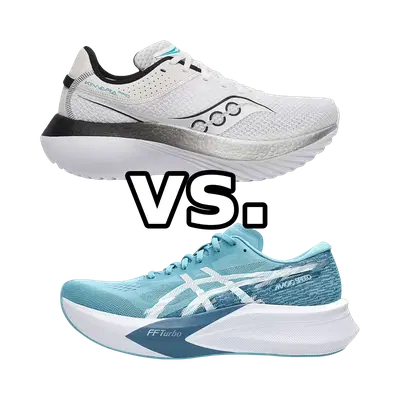
Saucony Kinvara Pro vs Asics Magic Speed 4
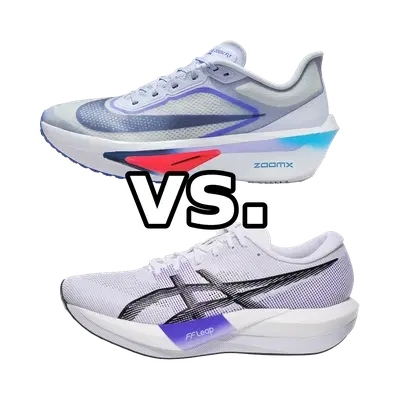
Nike Zoom Fly 6 vs Asics Magic Speed 5
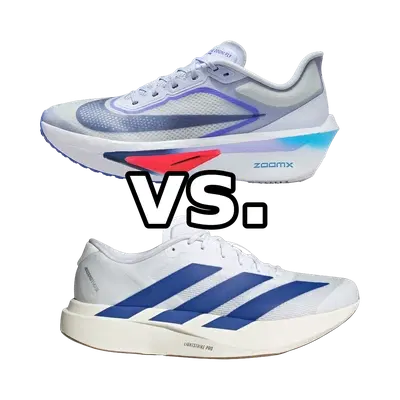
Nike Zoom Fly 6 vs Adidas Adizero Evo SL
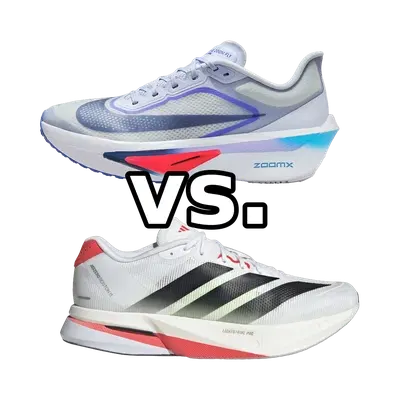
Nike Zoom Fly 6 vs Adidas Adizero Boston 13
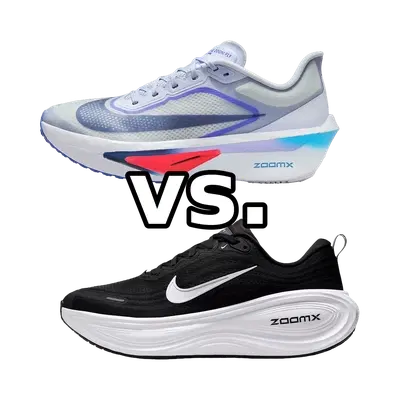
Nike Zoom Fly 6 vs Nike Vomero Plus
© 2026 longrunshoes.ai | All rights reserved.
Use of materials from this site is permitted only with proper attribution and a link to longrunshoes.ai.